





Qatar calls for de-escalation as Gulf tensions rise after strikes
Qatar calls for de-escalation following a series of regional phone consultations on September 7, 2026, as Washington and Tehran exchanged strikes and commercial ships were hit near the Strait of Hormuz. The Qatari prime minister and foreign minister, Sheikh Mohammed bin Abdulrahman bin Jassim Al Thani, spoke with counterparts in Iran, Saudi Arabia, Oman, the United Arab Emirates and Turkey to press for restraint and diplomatic engagement.
Who spoke to whom and what was discussed
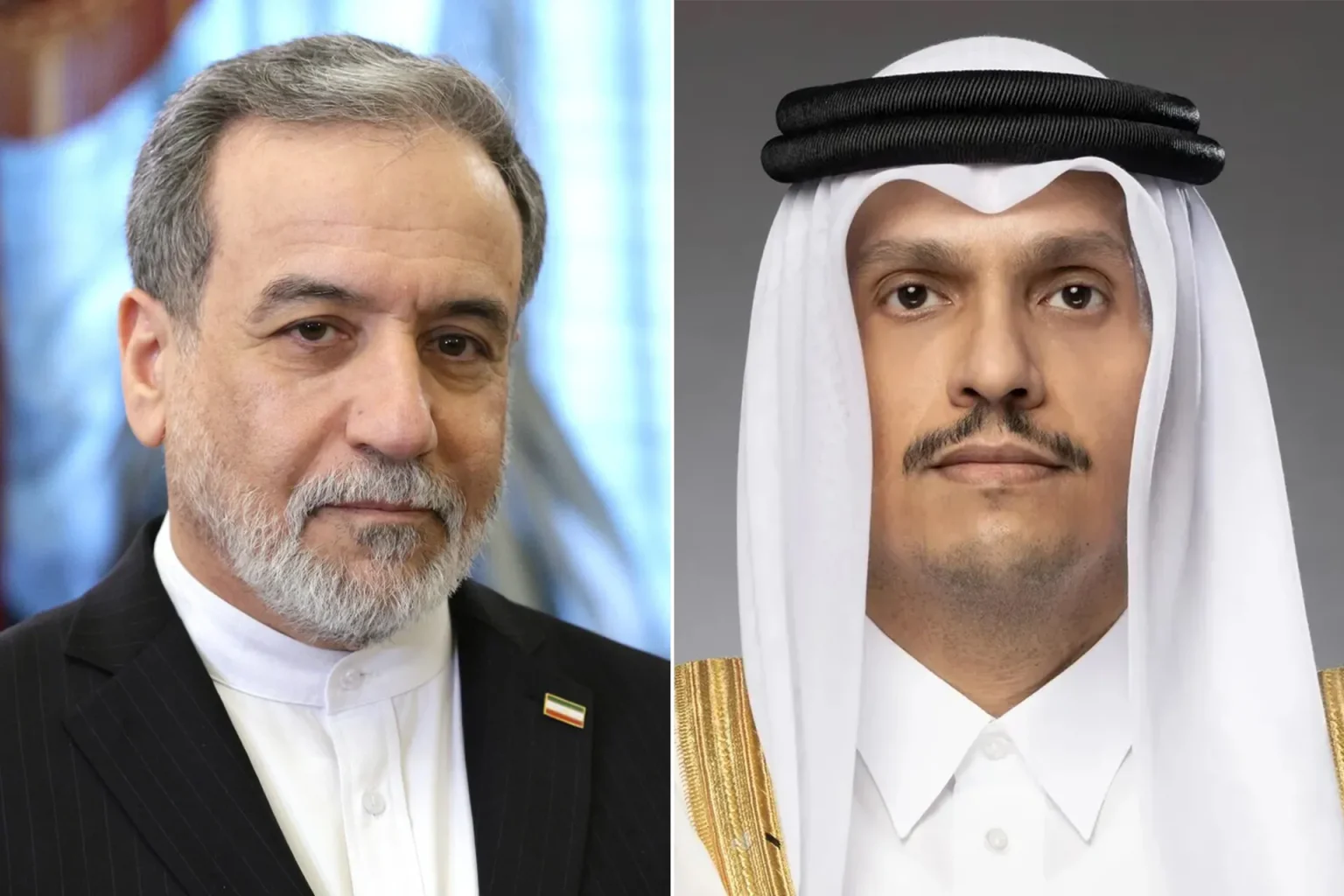
According to the Qatari Ministry of Foreign Affairs, Sheikh Mohammed took calls from Iran’s Abbas Araghchi, Saudi Foreign Minister Prince Faisal bin Farhan Al Saud, Oman’s Badr al-Busaidi, UAE Foreign Minister Abdullah bin Zayed Al Nahyan and Turkey’s Hakan Fidan. Officials said the conversations focused on recent military escalations between the United States and Iran, attacks on commercial vessels in the Strait of Hormuz and measures to reduce further instability.
Qatari statements described an emphasis on adhering to previously agreed memoranda of understanding and on pursuing diplomatic channels. Furthermore, Doha expressed condemnation of the attacks on merchant shipping while underlining support for efforts to contain the crisis and avoid a broader confrontation.
Qatar calls for de-escalation: immediate diplomatic steps
Qatar calls for de-escalation as part of a coordinated Gulf diplomacy push to keep communication lines open, the ministry said. Doha urged all parties to recommit to dialogue and to implement agreed confidence-building measures intended to bolster regional security.
In addition, Qatari officials conveyed support for international mediation and for using diplomatic forums to defuse tensions. Meanwhile, Qatar offered to remain engaged with neighbors and key international actors to facilitate talks and to help prevent miscalculation amid heightened military activity.
Context: recent strikes and regional fallout
The exchanges come after a reported end to a ceasefire agreed on June 17, 2026, which U.S. President Donald Trump later said had lapsed, warning of strong retaliation toward Iran. The announcement followed incidents of gunfire attributed to Iran that struck three commercial ships in the Strait of Hormuz, according to regional shipping reports and statements from affected countries.
The United States conducted strikes that it described as targeting Iranian military infrastructure for a second consecutive day. Iran reported reciprocal missile strikes against U.S. bases in Kuwait and Bahrain, and U.S. Central Command (CENTCOM) said forces had struck roughly 90 Iranian military targets, according to official statements.
Why Qatar is engaging and the implications for Gulf diplomacy
Qatar’s outreach reflects its broader role in Gulf diplomacy and mediation, built on ties with multiple regional capitals and established channels with Tehran and Washington. Doha’s position aims to limit escalation that could imperil commercial shipping lanes, energy exports and civilian safety in the Gulf.
Observers noted that sustained exchanges among regional foreign ministers can reduce the risk of misinterpretation of military actions, and can create space for de-escalatory proposals. Furthermore, Qatar’s interventions could help coordinate humanitarian, legal and maritime security responses as needed.
Secondary keywords and regional security measures
Related concerns include ensuring safe passage through the Strait of Hormuz and restoring confidence in commercial shipping routes. Gulf diplomacy efforts will likely focus on maritime security patrols, information-sharing mechanisms and agreements on incident response to prevent attacks on neutral vessels.
Reactions from regional and international actors
Officials in neighboring Gulf states underscored the need for restraint and adherence to diplomatic solutions. Saudi Arabia, Oman and the UAE stressed continuity of dialogue, and Turkey reiterated calls for peaceful settlement, according to their respective foreign ministries.
International actors, including European partners and maritime organizations, have urged transparent investigations into attacks on shipping and encouraged de-escalatory steps. United Nations channels and other multilateral platforms are expected to resume or intensify consultations in response to rising tensions.
What comes next: monitoring, diplomacy and possible outcomes
Key developments to watch include further diplomatic contacts between Washington and Tehran, potential third-party mediation, and any new concerted measures to protect commercial traffic in the Strait of Hormuz. Analysts say the immediate priority is preventing further military strikes and establishing a credible incident-resolution mechanism.
Qatar calls for de-escalation will likely be followed by additional bilateral and multilateral meetings over the coming days, as regional capitals seek to shape a diplomatic path forward. Shipping companies and energy markets will also monitor the situation closely for any signs of sustained disruption.
Conclusion: cautious diplomacy amid an uncertain outlook
Qatar calls for de-escalation as part of a rapid diplomatic effort to curb a confrontation that has already affected commercial shipping and prompted reciprocal strikes. The next expected steps include continued ministerial consultations, possible involvement by international mediators and the reactivation of confidence-building measures agreed earlier this year.
Readers should watch for official announcements on follow-up meetings, statements from Washington and Tehran, and any coordinated security arrangements for maritime traffic in the coming days and weeks.