







Islamic finance in Qatar posts 5.3% asset growth in 2025, report says
Islamic finance in Qatar expanded in 2025, with total Islamic finance assets rising 5.3% to QAR 718.5 billion (about $197.4 billion), according to a new report by Beit Al-Mashoura Financial Consultancy. The report, published on June 15, 2026, shows the sector grew despite global economic headwinds and market volatility.
The study highlights that Islamic banking, sukuk and takaful remain central to Qatar’s financial system, supporting corporate and retail credit and contributing to broader economic activity. Officials and analysts say the trend reflects sustained local demand and strategic policy support.
Islamic finance in Qatar: 2025 breakdown and banking dominance
Beit Al-Mashoura’s figures indicate Islamic banks account for the bulk of the industry, holding 87.8% of total Islamic finance assets—QAR 616.5 billion (roughly $169.4 billion). Meanwhile, sukuk represented the second-largest component with an 11% share of sector assets.
Islamic banking assets rose 5.3% in 2025, outpacing conventional banks’ 5% growth, the report notes. Local assets of Islamic banks reached QAR 554.3 billion (about $152.3 billion), while liquidity buffers stood at QAR 21.3 billion (around $5.85 billion).
According to the report, Islamic banks now account for approximately 28% of total banking sector assets in Qatar, underscoring their increasing role in credit intermediation and financial intermediation.
Bank-by-bank performance and market impact
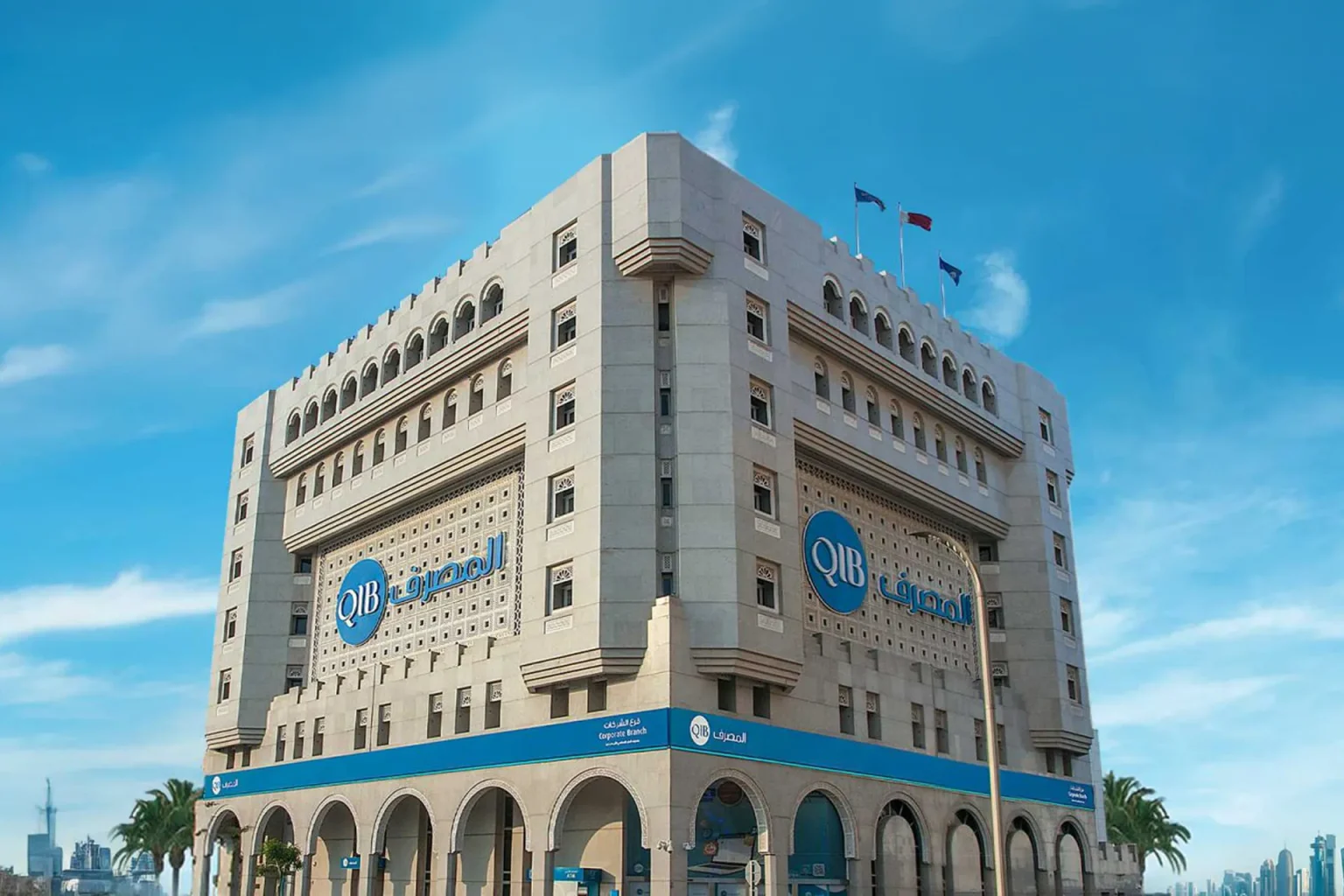
The report lists four principal Islamic lenders operating in Qatar: Qatar Islamic Bank, Al Rayan Bank, Dukhan Bank and Qatar International Islamic Bank. Performance varied across institutions: Qatar Islamic Bank led deposit growth at 14.2% and asset growth at 10.1% in 2025.
Al Rayan Bank expanded assets by about 5.9%, Dukhan Bank grew 5%, and Qatar International Islamic Bank recorded a 4.4% rise in assets. On deposits, Dukhan ranked second with 5.3% growth, followed by Qatar International Islamic Bank at 4.6% and Al Rayan at 3.3%.
The sector’s stock market representation strengthened: an Islamic index tracking Sharia-compliant stocks rose 5.04% in 2025, and select Islamic financial shares delivered above-average returns. The report highlights investor interest in Islamic banking franchises as a driver of equity performance.
Role of sukuk and takaful in funding and risk management
Sukuk issuance remained a core funding channel for both the central bank and Islamic banks. The Central Bank issued about QAR 10.1 billion ($2.77 billion) in sukuk during 2025, accounting for roughly 43% of total bond and sukuk issuance that year. Between 2021 and 2025, central bank sukuk totaled QAR 47.7 billion (about $13.1 billion), or 44.2% of government debt instruments issued in that period.
Islamic banks issued approximately QAR 10 billion ($2.75 billion) in sukuk in 2025, up 5.4% from the prior year, reflecting continued reliance on Sharia-compliant wholesale funding to support balance-sheet growth and capital buffers.
Meanwhile, the takaful sector (Islamic insurance) recorded asset growth of 5.9%, reaching QAR 4.7 billion (about $1.29 billion). Islamic finance companies for investment and Islamic financing firms also recorded modest gains, indicating expansion across the ecosystem beyond banking.
Financial performance, risks and indicators
The report shows mixed performance metrics: assets rose 5.3%, deposits increased 7.5%, and financing extended grew 4.2% in 2025. However, aggregate sector revenues declined by 5% while net profits edged up 0.7%, signaling margin pressure even as overall balance-sheet volumes expanded.
Beit Al-Mashoura cautions that profitability trends reflect a combination of competitive pricing, cost of funding dynamics and the macroeconomic environment. Therefore, banks face pressure to improve operational efficiency and diversify income through fee-based services and capital markets activity.
Technology, AI in finance and the Doha conference agenda
The report was released ahead of the 12th Doha Islamic Finance Conference, organized by Beit Al-Mashoura and scheduled for next week in Doha. The conference will focus on the integration of AI in finance and the implications of intelligent agent systems for Islamic finance, including governance, Sharia compliance and regulatory oversight.
Speakers and participants are expected to discuss how digital tools and artificial intelligence can improve customer service, risk management and efficiency in Islamic banking, while addressing ethical and legal constraints. Observers say aligning technological innovation with Sharia principles will be a key theme for regulators and market participants.
Implications and what to watch next
Islamic finance in Qatar appears on a steady growth path, supported by strong banking franchises, active sukuk markets and expanding takaful and investment segments. Furthermore, the sector’s move toward digital innovation may shape product design, compliance mechanisms and distribution channels in the coming years.
Investors and policymakers should monitor upcoming sukuk supply, regulatory guidance on AI-enabled financial services, and quarterly earnings for major Islamic banks to gauge whether revenue recovery keeps pace with asset growth. The Doha conference next week will likely offer further signals about policy priorities and industry commitments.