






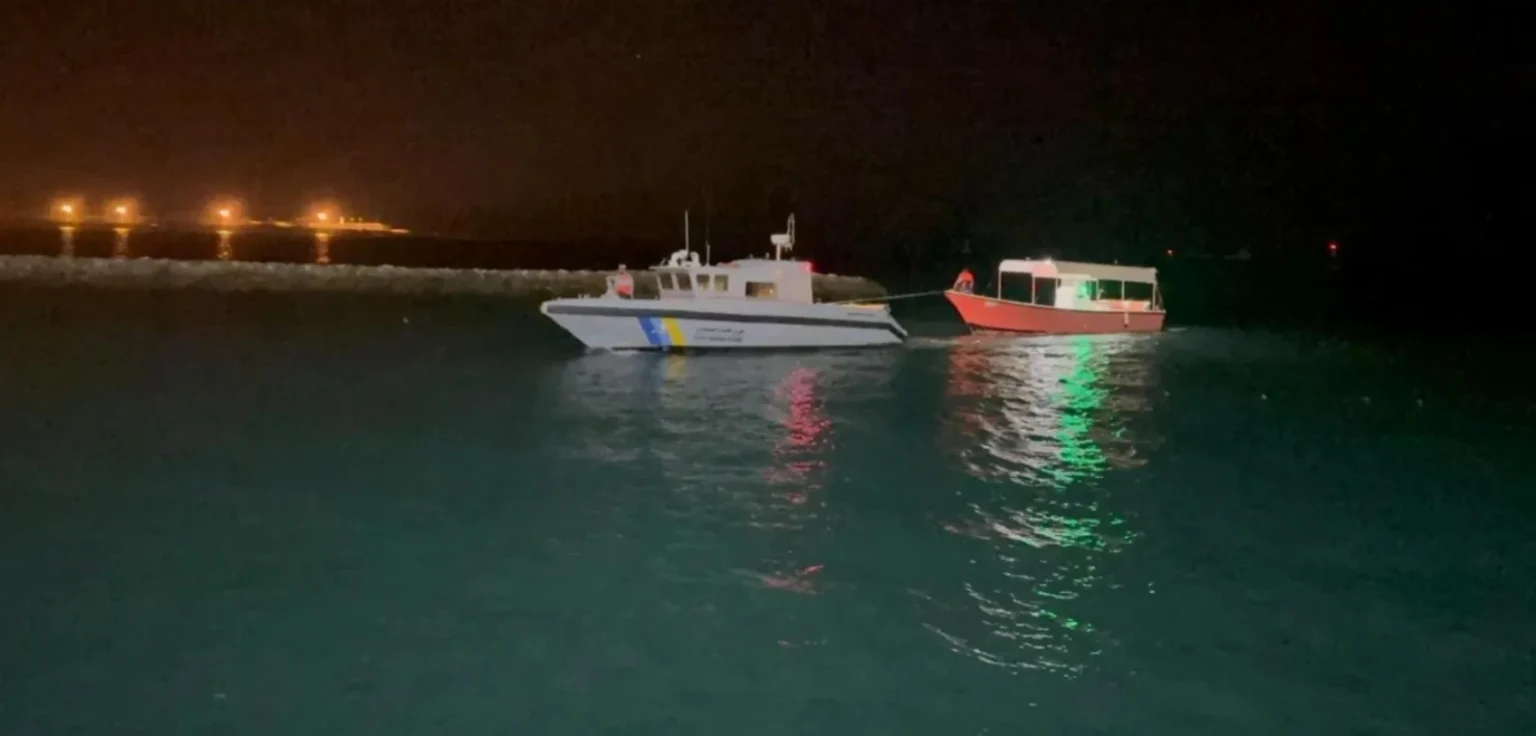

Yanbu sea rescue: Border Guard rescues two citizens after engine failure
Saudi Border Guard search and rescue teams in Yanbu on the Red Sea rescued two citizens after their small vessel suffered engine failure, officials said. The incident occurred offshore in the Medina Region and was resolved when patrol units reached the disabled craft and provided immediate assistance, according to the General Directorate of Saudi Border Guard.
The operation, which local authorities described as routine, underscores the importance of preparedness at sea and the availability of rapid response services. Meanwhile, the Border Guard reiterated marine safety guidance and emergency contact procedures for boaters operating in Saudi waters.
Rescue operation and response
Search and rescue crews detected the disabled vessel following a routine surveillance sweep, officials said. Responders reached the two citizens and provided on-scene help, including technical assessment and support to stabilize the situation, before arranging safe return or further assistance as needed.
Authorities did not report injuries and stated that the rescue was completed without escalation. Furthermore, the General Directorate of Saudi Border Guard confirmed that the case was closed after ensuring the occupants’ safety and the vessel’s immediate seaworthiness.
Main keyword: Yanbu sea rescue and its significance
The Yanbu sea rescue highlights the critical role of maritime patrols in the Red Sea corridor, a busy area for commercial and recreational traffic. Therefore, the incident serves as a reminder that quick coordination between mariners and coastal authorities can prevent small mechanical failures from becoming life-threatening emergencies.
Moreover, officials noted that adherence to safety protocols reduces response times and improves survival outcomes in offshore incidents. The Border Guard’s statement emphasized routine checks and communications as key factors in the successful outcome of this Yanbu sea rescue.
Marine safety guidance and emergency numbers
Following the rescue, the General Directorate of Saudi Border Guard urged boat operators to conduct pre-departure inspections, carry adequate safety equipment, and file a float plan before leaving port. Additionally, mariners were advised to check weather forecasts and ensure fuel and engine systems are serviceable.
Officials reminded the public to contact emergency lines when in distress: call 911 in the Mecca, Medina and Eastern Province regions, and call 994 in other parts of the kingdom for maritime emergencies. Furthermore, having a working VHF radio, life jackets for every person on board, and a charged mobile or satellite device improves chances of timely assistance.
Context: regional maritime safety and patrol operations
Saudi maritime authorities have stepped up coastal surveillance and search-and-rescue readiness amid growing recreational boating and commercial shipping in the Red Sea. Consequently, authorities say patrols are calibrated to respond across a range of incidents, from mechanical breakdowns to medical emergencies at sea.
In addition, the Border Guard collaborates with port authorities and other agencies to manage maritime incidents efficiently. The coordinated approach aims to shorten response windows and provide consistent guidance to boaters about registration, licensing and safety compliance.
Related preparedness measures
Boaters are encouraged to register their vessel movements with local port authorities and keep an updated contact list for emergency services. Regular maintenance, carrying spare parts for common failures, and training in basic engine troubleshooting also reduce the risk of being stranded offshore.
Implications for recreational and commercial mariners
The Yanbu sea rescue offers practical lessons for both recreational and commercial operators. Therefore, industry observers say routine safety training, compliance with maritime regulations, and clear communication protocols are essential components of safe boating practices.
Insurance providers and maritime operators often recommend documented maintenance logs and visible identification for vessels, which can accelerate rescue efforts. Meanwhile, local authorities may intensify public information campaigns to raise awareness of emergency numbers and safe operating procedures.
Conclusion: what to watch next
Authorities plan to continue public outreach about marine safety and to maintain high readiness for search and rescue missions, the report indicates. Readers should watch for further guidance from the General Directorate of Saudi Border Guard and local port authorities, especially ahead of busy seasonal periods.
Ultimately, the next expected step is continued monitoring and messaging to the boating community about preventative measures and how to contact emergency services quickly. Therefore, mariners in the Red Sea and along the Saudi coastline should heed safety recommendations and verify emergency contacts before setting out.