




Argentina’s popularity falls in World Cup 2026 final as politics shape fan support
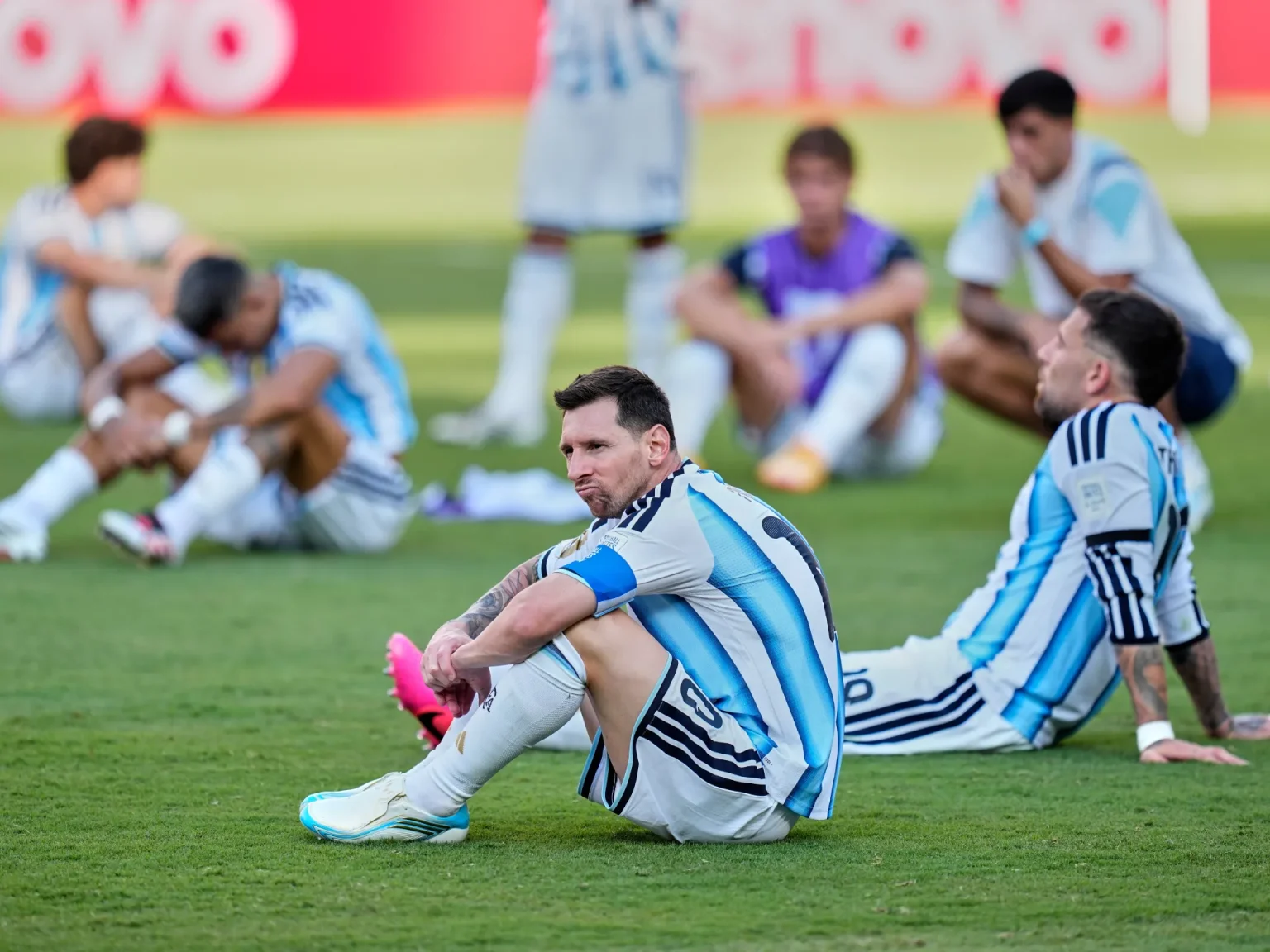
Spain’s victory over Argentina in the World Cup 2026 final on July 20 sparked a notable shift in global fan sympathy, with Argentina’s popularity declining sharply among many supporters who turned to Spain in protest. The phenomenon, driven by political statements and social media reaction, made the match as much a symbolic referendum on foreign policy as a sporting contest.
The final, played on July 20, 2026, became a focal point for international activism after senior Israeli officials publicly expressed support for Argentina. Videos and posts circulating online showed fans in stadiums and public viewings waving Palestinian flags and wearing keffiyehs, underscoring how diplomatic alignments influenced crowd behavior and worldwide cheering patterns.
Israeli endorsements and political backlash
Senior Israeli figures including Prime Minister Benjamin Netanyahu, Itamar Ben-Gvir and Bezalel Smotrich openly backed Argentina in the run-up to the final, statements that were widely shared and criticized on social media. According to footage circulated online, Netanyahu was even filmed playing football with Argentina’s ambassador to Israel, an image that opponents said reinforced perceptions of political closeness.
Activists and commentators linked those endorsements to a fall in Argentina’s popularity among fans who oppose Israel’s policies in Gaza. The backlash was visible across platforms as users framed their decision to support Spain partly as a protest, citing government positions rather than purely sporting reasons.
Social media reaction and pro-Palestine solidarity
Social media reaction provided the clearest evidence of shifting allegiances. Clips from the final and citywide celebrations showed crowds holding Palestinian flags and chanting solidarity messages. Meanwhile, hashtags and posts that had nothing to do with tactics or player form trended for hours, reflecting how the match served as a channel for political expression.
Journalists and activists such as Osama Jawish and Inas Karima noted that many fans cited diplomatic stances, including Spain’s recent measures and public statements in support of Palestinian rights, as reasons for their support. Bloggers and commentators like Tamer Qaddah described the decision to back Spain as part of a deliberate, symbolic rejection of nations supporting Argentina publicly.
Main keyword: Argentina’s popularity and its global decline
Observers say Argentina’s popularity among neutral fans waned in the context of a broader alignment of politics and sport. Argentina’s popularity took a reputational hit when public endorsements by foreign leaders became associated with the team, turning a sporting final into a proxy political debate in many countries.
Furthermore, the decline in Argentina’s popularity was compounded by historical grievances and recent diplomatic moves that activists highlighted. Therefore, for many observers the final was not only about a trophy but also about which international values fans wanted to signal.
Why fans chose Spain: government positions and symbolic meaning
Many supporters who backed Spain pointed to Madrid’s diplomatic actions over recent months, including public support for Palestinian rights and measures restricting arms exports, as evidence of principled foreign policy. Activists argued that cheering for Spain was a way to register public disapproval of the political actors who had aligned themselves with Argentina.
Additionally, sports commentators noted that the decision to support Spain often mixed sporting appreciation—celebrating Spain’s playing style and squad—with explicit political messaging. As a result, Spain supporters in some settings framed their victory as both athletic achievement and moral statement.
When sport becomes a platform for politics
World Cup finals have long been stages for expression beyond sport, but the 2026 final illustrated how quickly geopolitical events can change fan narratives. Meanwhile, football governing bodies and national associations were largely silent during the immediate aftermath, focusing instead on match logistics and celebrations.
Sports analysts warned that repeated intersections of politics and fandom could raise difficult questions for organizers, sponsors and broadcasters about neutrality, commercial risk and fan safety. Therefore, stakeholders may need clearer guidelines on political expression at future events to balance freedom of speech with tournament regulations.
Implications for FIFA and national teams
The episode puts pressure on FIFA and national federations to clarify rules on political endorsements and stadium displays. FIFA’s existing regulations on political messages may be tested as fans continue to bring geopolitical grievances into matches, and as governments increasingly use high-profile sporting moments to signal alliances.
At the same time, national teams face reputational risks when their perceived diplomatic ties influence fan sentiment. Teams that are seen as politically aligned with controversial actors may find neutral support harder to secure in global tournaments.
What to watch next
Expect scrutiny of official statements and any follow-up actions by football authorities in the coming weeks. Observers will also be watching whether national governments adjust diplomatic messaging around future high-profile fixtures, and whether sponsors or broadcasters respond to fan-driven political demonstrations.
Fans and analysts alike should look for formal comments from FIFA and the Spanish and Argentine federations, as well as any reports on fan safety or disciplinary action. Meanwhile, social media will likely remain the primary arena for instant reaction and mobilization ahead of upcoming international fixtures.
In conclusion, the World Cup 2026 final highlighted how sport and politics increasingly intersect. Watch for regulatory clarifications, potential changes in fan behavior at major tournaments, and the next high-profile matches where diplomatic alignments might again shape who receives public support.