








Qatar Energy Launches Immediate Naphtha Sale Tender
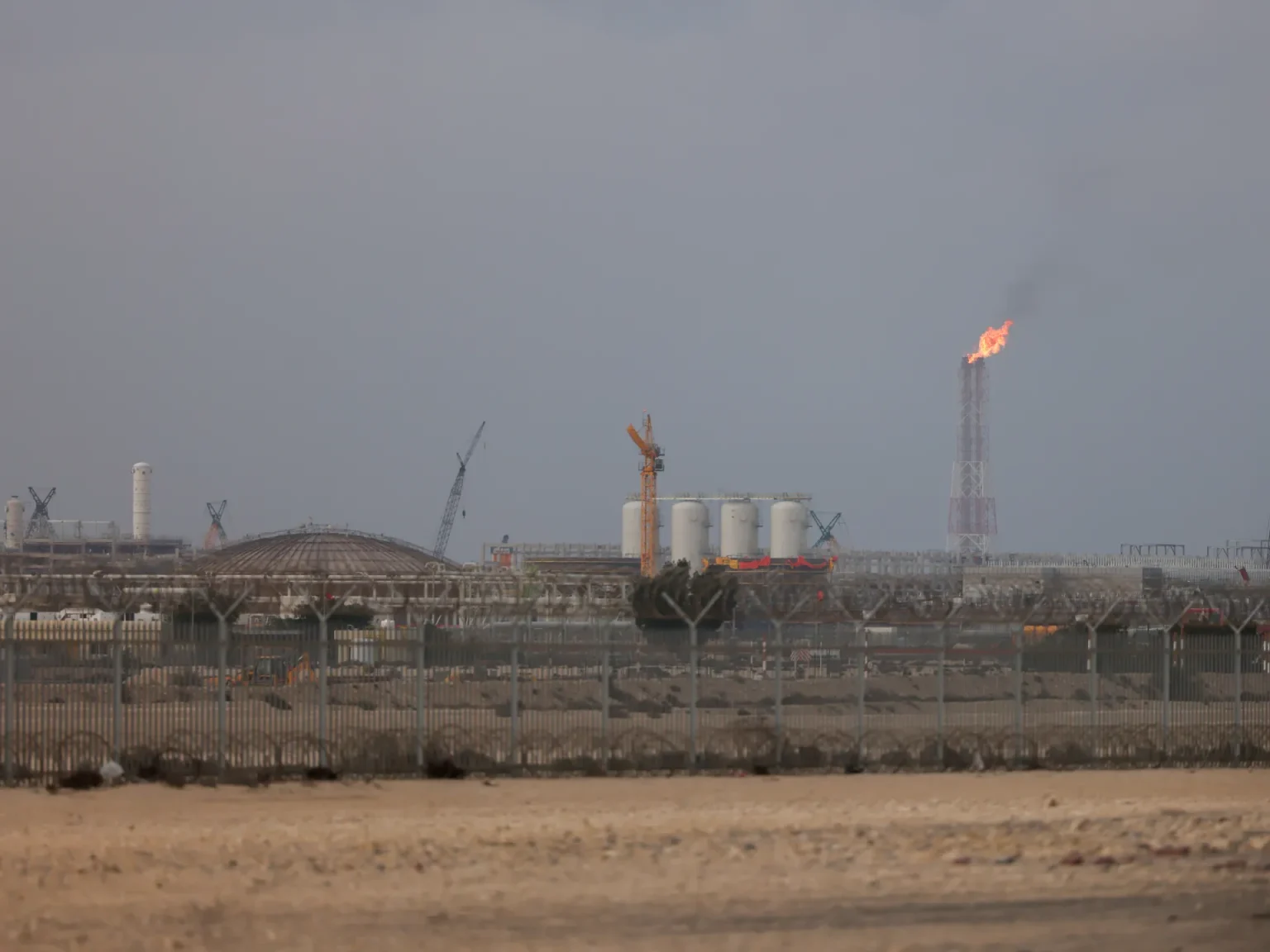
Qatar Energy has announced a tender for the immediate sale of up to 50,000 tons of naphtha, with delivery based on a free on board (FOB) basis from Ras Laffan Port, according to a report from Reuters on Thursday. The shipment is scheduled to be loaded between October 20 and October 25, and the deadline for bids will close at 11:00 AM GMT today.
As per industry sources, the previous tender by the state-owned refining company was awarded with a discount of $150 from the prices of Middle Eastern feedstocks on an FOB basis. This recent move indicates Qatar’s ongoing engagement in the global hydrocarbons market, optimizing its strategies amidst fluctuating prices.
Implications of Qatar’s Naphtha Tender
The decision to offer naphtha for immediate sale reflects Qatar Energy’s adaptive strategies in a competitive oil market. Naphtha, a crucial feedstock for the petrochemical industry, plays a vital role in various applications, including the production of gasoline and chemicals.
Industry analysts note that the timing of this tender comes amid fluctuating demand and supply dynamics in the petroleum sector. Qatar Energy’s past tenders and their pricing strategies suggest a calculated approach to maintain market presence.
Shipping Vessels Mobilized for Increased Gas Exports
In conjunction with its naphtha sale, Qatar is reportedly mobilizing a fleet of empty liquefied natural gas (LNG) carriers in the Gulf, hinting at a potential increase in shipments through the Strait of Hormuz. Bloomberg indicated that at least 12 LNG carriers owned or chartered by Qatar Energy are currently positioned in nearby waters.
The movement of these vessels is a significant indicator of Qatar’s strategic planning in enhancing its LNG exports. Experts believe that ramping up operations amidst increasing global demand for natural gas is essential for Qatar’s economic stability.
Future Outlook for Qatar’s Energy Sector
Looking ahead, market watchers should pay attention to Qatar Energy’s future tenders and shipping activities in the coming weeks. The anticipated increase in LNG shipments through strategic maritime routes could significantly impact global natural gas markets.
As Qatar prepares for increased exporting activities, stakeholders across the energy sector are likely to closely monitor pricing trends and demand shifts. This period could offer valuable insights into the broader implications for regional and global energy supply dynamics.