






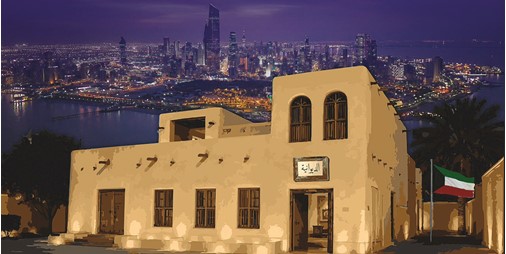

Kuwaiti diwaniya wins UNESCO listing in 2025
The Kuwaiti diwaniya was inscribed on the UNESCO Representative List of the Intangible Cultural Heritage of Humanity in 2025, UNESCO and Kuwaiti officials said. The recognition, announced by national cultural authorities and reported by KUNA, highlights the role of the diwaniya as a longstanding form of social gatherings central to life in Kuwait City and other communities across the country.
Who, what, when and where
The listing recognizes the diwaniya as a living cultural practice rooted in Kuwaiti social life. According to statements to KUNA, the National Council for Culture, Arts and Letters filed the nomination and UNESCO completed its evaluation in 2025. The practice spans private and public settings, from traditional household halls to modern community venues within Kuwait.
Cultural functions and historical roots
The diwaniya has functioned as a community forum for political discussion, social support and cultural transmission for more than a century. Officials said it shaped early institutional developments in Kuwait, with civic initiatives and the idea of consultative assemblies debated in diwaniyas long before formal state structures were established. Therefore, the practice is widely regarded as a crucible for national identity and public deliberation.
Scholars and heritage specialists note that the diwaniya’s patterns of hospitality and exchange helped sustain networks of solidarity during periods of social and economic change. Furthermore, the setting traditionally combined elements of oral culture, poetry recitation and informal education, enabling older generations to pass on civic values and local knowledge to younger Kuwaitis.
Why UNESCO recognition matters
UNESCO recognition elevates the diwaniya from a national tradition to a documented element of world heritage, with implications for safeguarding and promotion. The listing signals international acknowledgment that the practice contributes to social cohesion and intergenerational continuity, according to the acting assistant secretary-general for Antiquities and Museums at the National Council for Culture, Arts and Letters, Mohammed bin Redha, who spoke to KUNA.
Listing on the intangible heritage list typically prompts a coordinated strategy for safeguarding, including documentation, transmission programs and community-led initiatives. Therefore, the decision is expected to encourage resources and partnerships aimed at sustaining the diwaniya as a living practice rather than as a museum exhibit.
Diwaniya and civic life: examples and influence
Historians point to specific instances where diwaniyas shaped institutional developments. According to academic commentary, proposals for consultative councils and early steps toward organized schooling were discussed within these forums. For instance, the establishment of the first formal schools and community institutions is frequently linked to conversations that took place in prominent diwaniyas.
As a result, the diwaniya is not only a venue for social gatherings but also a site where civic ideas and community initiatives take shape. This dual role underscores its classification as an intangible cultural heritage element that embodies civic customs as well as social rituals.
Women’s diwaniyas and contemporary evolution
In recent decades, women’s diwaniyas have grown in visibility and importance. These gatherings provide women with dedicated spaces for social exchange, cultural programming and community service projects. Therefore, the modern diwaniya is pluralized: it includes both traditional mixed spaces and gender-specific forums that contribute to social empowerment and local initiatives.
Continuity and change
Researchers emphasize that while some women’s diwaniyas are recent in their public profile, women have historically organized collective networks to address social welfare and education. Consequently, the contemporary spread of women’s diwaniyas is often framed as an extension of longstanding social roles adapted to modern civic participation.
Safeguarding measures and next steps
Officials and heritage authorities say the next steps will focus on safeguarding the practice through community engagement, educational programming and documentation. According to KUNA, the National Council for Culture, Arts and Letters plans to work with local diwaniya hosts, civil society groups and UNESCO to design measures that ensure transmission of knowledge and practices to younger generations.
Potential safeguarding actions include oral history projects, workshops on customary hosting practices, and support for cultural events that place the diwaniya in contemporary contexts. Furthermore, the state’s endorsement of the nomination reflects a strategy to project Kuwait’s cultural presence in international forums while maintaining community stewardship.
Implications for cultural tourism and national identity
The UNESCO listing may influence cultural tourism and how Kuwait presents its heritage internationally. Cultural planners suggest that the recognition can be leveraged to develop experiences that respect the diwaniya’s social functions while offering visitors contextual interpretation. Meanwhile, the inscription reinforces domestic narratives about inclusivity and shared civic space.
Nevertheless, specialists caution that commercialization risks must be managed so that live practices remain community-owned and not reduced to staged attractions. Therefore, policy guidance will likely emphasize authenticity, community consent and benefits for local hosts.
Conclusion and what to watch next
The inscription of the Kuwaiti diwaniya on UNESCO’s intangible cultural heritage list marks a formal acknowledgment of its social and cultural importance. Observers should watch for the publication of Kuwait’s safeguarding plan, community workshops, and any educational curricula that incorporate diwaniya practices. Over the coming months, progress reports to UNESCO and local documentation efforts will indicate how effectively authorities and communities translate recognition into long-term preservation.