






Kuwait foreign minister leads delegation at GCC-Canada strategic dialogue in Bahrain
Kuwait foreign minister Jarrah Al-Jaber led the Kuwaiti delegation to the joint ministerial meeting of the Gulf Cooperation Council and Canada, held in the Kingdom of Bahrain on Monday, officials said. The meeting, part of the GCC-Canada strategic dialogue, focused on strengthening bilateral ties and addressing urgent regional security concerns, according to a statement from the Kuwaiti Ministry of Foreign Affairs.
During opening sessions, ministers reviewed cooperation in trade, investment, food security, energy and logistics, with an emphasis on expanding partnership frameworks that serve shared economic and security interests. The gathering brought together foreign ministers from GCC states and Canada’s Foreign Minister Anita Anand to map out next steps in the partnership.
Key outcomes: economic cooperation and partnership expansion
Delegates discussed concrete measures to broaden economic engagement, officials said, including enhanced trade facilitation, investment promotion and collaboration on supply-chain resilience. According to the ministry statement, participants identified opportunities in energy cooperation, agricultural security and transport logistics that could be advanced through bilateral and multilateral initiatives.
Furthermore, the strategic dialogue explored mechanisms to encourage private-sector participation and public investment projects. Canada and GCC members signaled interest in developing joint ventures and investment platforms, while also considering regulatory alignment and technical cooperation to boost cross-border commerce.
Kuwait foreign minister addresses regional security and recent Iranian attacks
Security discussions formed a major portion of the agenda, as ministers examined recent regional developments, including a series of attacks attributed to Iran that have affected Gulf states. The Kuwaiti ministry said participants condemned what they described as unjustified aggression and reviewed the broader implications for regional stability and international security.
Officials highlighted the need to intensify coordination between GCC countries and Canada to manage shared risks, strengthen deterrence, and promote diplomatic avenues for de-escalation. In this context, the Kuwait foreign minister emphasized Kuwait’s right to take necessary measures to safeguard its sovereignty, a point later reiterated in bilateral calls with international counterparts.
Bilateral meetings and international outreach on the sidelines
On the margins of the ministerial meeting, Jarrah Al-Jaber held a bilateral session with Canadian Foreign Minister Anita Anand to review bilateral relations and to explore ways to deepen cooperation across multiple sectors. The Kuwaiti foreign ministry said the two ministers discussed recent regional events and ongoing efforts aimed at stabilizing the situation.
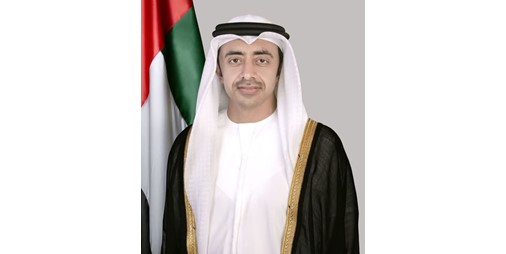
Additionally, Jarrah Al-Jaber received telephone calls from key international figures, underscoring the diplomatic outreach accompanying the dialogue. The minister spoke with Sheikh Abdullah bin Zayed, the United Arab Emirates’ minister of foreign affairs, and EU High Representative Kaja Kallas, according to the ministry’s statement.
During the call with Sheikh Abdullah bin Zayed, Kuwaiti and Emirati officials jointly condemned the attacks attributed to Iran and reaffirmed Kuwait’s full right to take all necessary measures to protect its sovereignty, safety and stability. Meanwhile, the conversation with Kaja Kallas focused on regional developments and coordinated efforts to address the unfolding security challenges, the ministry said.
Why the GCC-Canada strategic dialogue matters
The GCC-Canada strategic dialogue serves as a framework for deepening political dialogue and translates strategic objectives into operational cooperation. For Gulf states, including Kuwait, engagement with Canada provides access to defense, technology and agricultural expertise. For Canada, the talks reinforce diplomatic ties with a region central to global energy markets and supply chains.
Observers note that strengthening ties in areas such as food security and logistics is timely given recent disruptions and global inflationary pressures. Therefore, policy coordination and joint investments discussed at the meeting could contribute to greater resilience for both sides, while diplomatic alignment on security issues may help deter further escalation.
Implications for regional diplomacy and next steps
Officials said the meeting signaled a commitment to closer consultation and practical cooperation. The Kuwaiti ministry indicated that ministers agreed to intensify coordination on regional challenges and to pursue concrete follow-up actions through working groups and ministerial schedules scheduled for the coming months.
Furthermore, the reaffirmation of Kuwait’s right to protect its sovereignty, conveyed both in the ministerial sessions and in bilateral calls, suggests that Gulf states will press for enhanced diplomatic and defensive measures within international fora. Canada’s involvement underscores the international dimension of the response and the potential for broader coalition-building on stability efforts.
What to watch next
Analysts and stakeholders should monitor the establishment of any joint working groups announced after the dialogue, as well as timelines for proposed economic initiatives. Attention should also focus on any coordinated diplomatic démarches or security cooperation between GCC states and Western partners in the weeks ahead.
Finally, observers will watch whether the strategic dialogue yields specific investment agreements or memoranda of understanding aimed at improving food security, energy collaboration and logistics integration, according to the ministry’s statement.
Forward-looking conclusion
The GCC-Canada strategic dialogue in Bahrain produced a mix of diplomatic reaffirmation and practical planning, with the Kuwait foreign minister playing a central role in articulating national positions and engaging international partners. Moving forward, readers should look for concrete follow-up actions: joint economic initiatives, working-group outcomes and any coordinated international responses to regional security threats. Officials said that timelines for these steps will be clarified as working groups convene and bilateral consultations continue.