






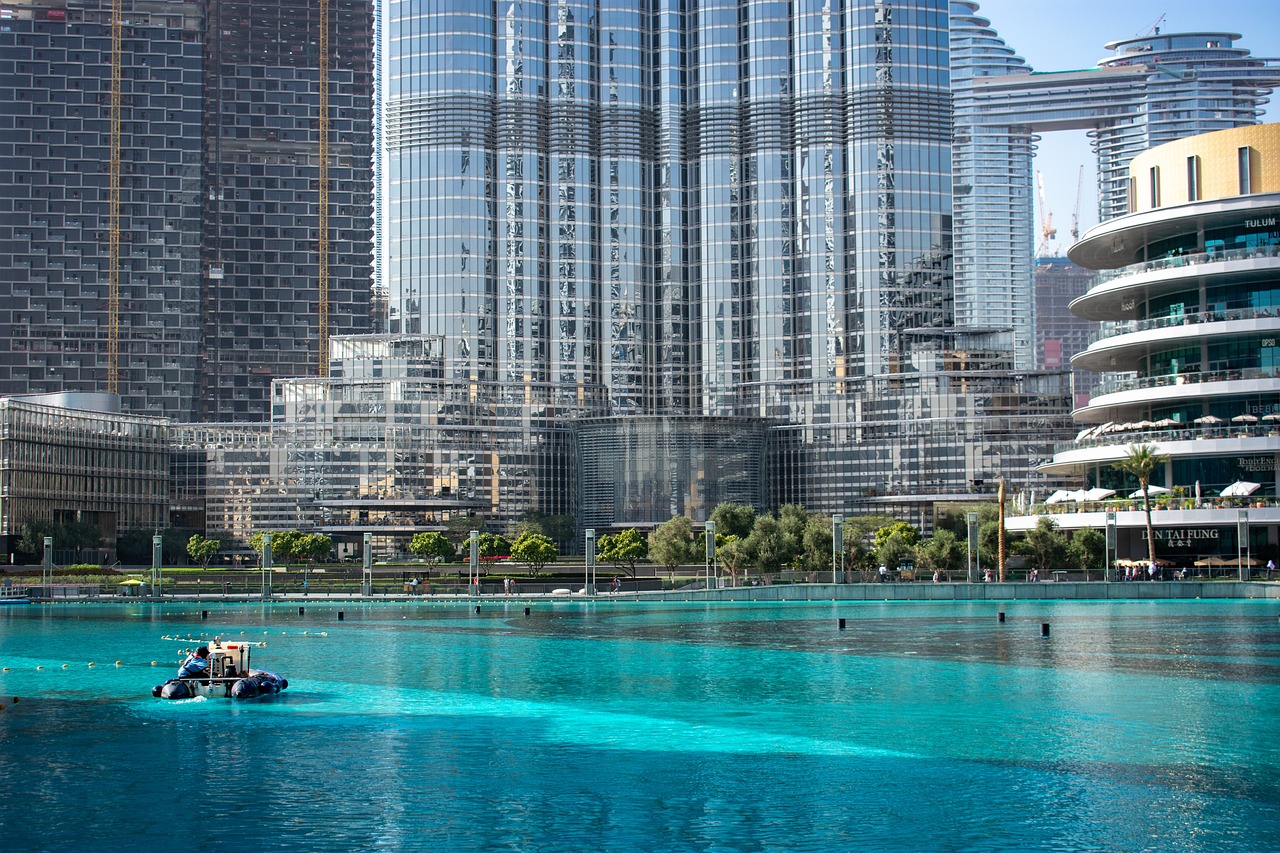

Riyadh and Dubai are drawing growing numbers of residents and expatriates. From ambitious economic plans to expanding cultural and lifestyle offerings, both cities have become major migration magnets in the Middle East.
1. Strong economic opportunity and job growth
Both Riyadh and Dubai are investing heavily in diversifying and expanding their economies, creating jobs across sectors beyond oil and hospitality.
- Riyadh: As Saudi Arabia implements large-scale transformation programs, the capital is seeing growth in finance, technology, healthcare, construction and entertainment-related industries.
- Dubai: A longstanding regional business hub, Dubai continues to attract companies in fintech, logistics, tourism, real estate and trade, supported by free zones and a global business network.
2. New visa and residency options
Recent reforms have made it easier for skilled workers, entrepreneurs and investors to live and work in both places.
- Long-term visas: Both the UAE and Saudi Arabia introduced longer-stay and investor residency programs in recent years, making relocation more appealing and stable.
- Simplified entry: Expanded tourist visa schemes and streamlined business-entry procedures have reduced barriers for people exploring job or business opportunities.
3. World-class infrastructure and transport
Modern airports, metro systems, highways and digital services make life and business easier.
- Transport: Major international airports and improved public transport reduce travel friction for businesses and families.
- Connectivity: High-quality internet, smart-city projects and digital government services speed up administrative processes and daily life.
4. Lifestyle, entertainment and cultural change
Both cities have invested heavily in creating vibrant social scenes that appeal to diverse expatriate communities and younger locals.
- Dubai: Known for its cosmopolitan lifestyle, Dubai offers restaurants, shopping, beaches, nightlife and a rich calendar of international events and exhibitions.
- Riyadh: Recent social reforms and investments in arts, sports and entertainment have expanded public activities, concerts and festivals—drawing people who want a blend of modern city life with cultural authenticity.
5. Safety, services and quality of life
Both cities rank highly for public safety and have improved public services including healthcare and education.
- Health and education: Modern hospitals, international schools and new university campuses cater to expatriate and local families.
- Safety: Low levels of street crime and strong public infrastructure are important considerations for families and professionals relocating.
6. Real estate and living choices
Developers are responding to demand with new residential neighborhoods, mixed-use districts and purpose-built housing for families and professionals.
- Dubai: Offers a wide range of housing from high-rise apartments to villa communities, with strong short- and mid-term rental markets.
- Riyadh: Rapid urban expansion and new master-planned districts are creating fresh options for buyers and renters, often at different price points than established Gulf cities.
7. Tax environment and financial incentives
Low or no personal income taxes, along with incentives for businesses and investors, remain attractive pull factors. Both jurisdictions also offer special economic zones and incentives for targeted industries.
Comparing Riyadh and Dubai: who they attract
Riyadh
- Professionals interested in the emerging Saudi market and public-sector transformation.
- Investors and contractors working on mega-projects and infrastructure.
- People seeking cultural ties to the region combined with growing modern amenities.
Dubai
- Entrepreneurs and multinational firms looking for a regional hub.
- Expats preferring an established, highly international lifestyle and services.
- Tourism, hospitality and creative-sector professionals drawn to a mature events and leisure market.
Things to consider before moving
- Cost of living: Housing, schooling and lifestyle choices can be expensive, particularly in Dubai; Riyadh can offer competitive alternatives but costs vary by neighborhood and lifestyle.
- Cultural adjustment: Saudi Arabia remains more conservative than the UAE; newcomers should research local customs and legal differences.
- Climate: Both cities have hot climates for much of the year—planning for heat and lifestyle adjustments is important.
Conclusion
Riyadh and Dubai are attractive for different but overlapping reasons: economic opportunity, improving quality of life, modern infrastructure and more flexible residency options. Dubai continues to draw people with its established international brand and lifestyle, while Riyadh is increasingly appealing to those looking to participate in a rapidly transforming economy and society. For many expatriates and investors, both cities offer compelling reasons to relocate—often depending on career goals, lifestyle preferences and long-term plans.