





UAE congratulates Benin on National Day
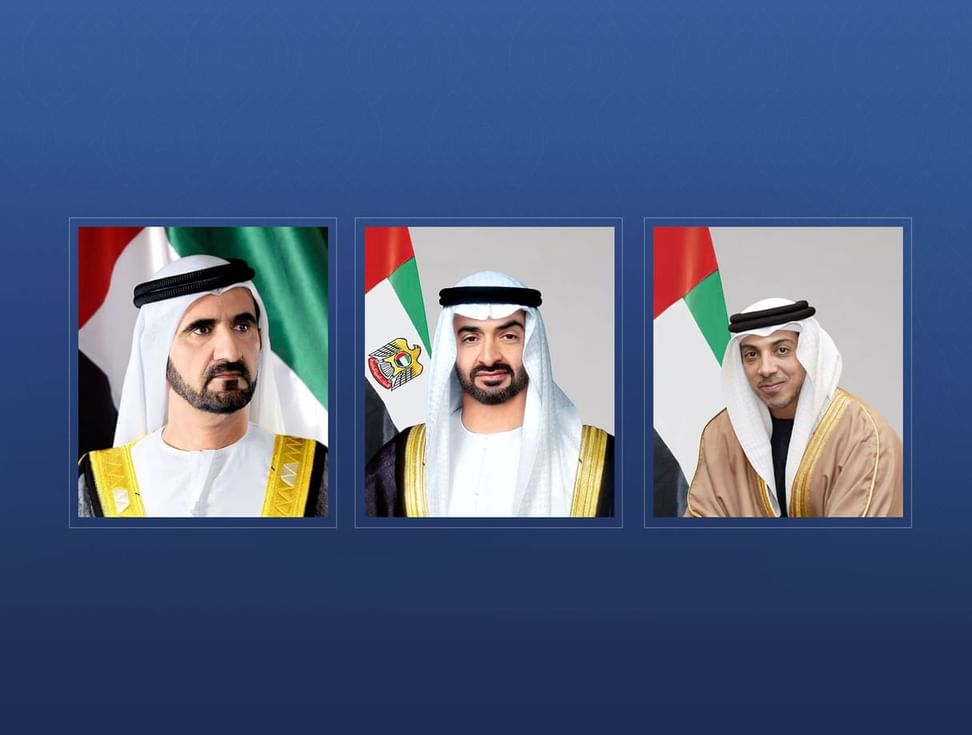
The UAE congratulates Benin as senior Emirati leaders sent messages marking the West African country’s national celebration. Sheikh Mohammed bin Zayed Al Nahyan of the United Arab Emirates conveyed his congratulations to Romuald Wadagni on the occasion of Benin National Day, according to an official UAE statement issued Tuesday. Meanwhile, other top officials in Abu Dhabi and Dubai sent parallel messages of goodwill.
Details of the congratulatory messages
Sheikh Mohammed bin Zayed Al Nahyan’s message extended warm wishes to the people of Benin and highlighted the importance of bilateral ties, the statement said. Additionally, Sheikh Mohammed bin Rashid Al Maktoum, Vice President and Prime Minister and Ruler of Dubai, and Sheikh Mansour bin Zayed Al Nahyan, Deputy Prime Minister and head of the Presidential Court, sent similar congratulatory cables.
The releases did not elaborate on policy decisions tied to the messages, but officials noted that such exchanges are customary diplomacy that reinforces mutual respect. According to the UAE presidency, the messages reaffirmed the desire to strengthen ties and advance cooperation across political and economic sectors.
Context: UAE-Benin relations and diplomatic protocol
The UAE congratulates Benin in a pattern consistent with routine diplomatic practice between capitals, where leaders exchange felicitations on national days. Benin National Day is an occasion when foreign partners typically reaffirm commitments to bilateral relations, and the UAE’s messages follow that precedent, officials said.
UAE-Benin relations have encompassed diplomatic contacts, economic dialogue, and people-to-people exchanges in recent years, although official statements did not cite new agreements. Furthermore, the congratulatory notes often serve as a platform to encourage continued collaboration on trade, investment, and development initiatives.
What the messages signify for cooperation
While congratulatory cables are symbolic, they can also signal a willingness to deepen cooperation, experts say. Therefore, analysts view the UAE’s outreach as a reinforcement of existing ties and a potential prelude to further discussions on economic and technical cooperation between Abu Dhabi and Cotonou, the Beninese economic capital often referenced in diplomatic contexts.
Additionally, the statements underline continuity in diplomatic engagement across the UAE leadership. Sheikh Mohammed bin Zayed’s role in sending the lead message, complemented by the messages from Sheikh Mohammed bin Rashid and Sheikh Mansour, reflects coordinated foreign-policy signaling that officials describe as routine and deliberate.
Reactions and official framing
Official UAE communications framed the messages as expressions of goodwill and a reaffirmation of mutual respect. The statements thanked Benin for its constructive engagement and noted the importance of strengthening partnerships in areas of shared interest, according to the UAE press office.
There has been no immediate public response from Beninese authorities included in the UAE releases. Observers expect that such diplomatic exchanges will be followed by formal responses through embassies or ministry channels, which would provide further detail on any planned cooperative steps.
Related diplomatic and economic background
Benin National Day occasions often catalyze international overtures, and the UAE congratulates Benin in that broader diplomatic context. The two countries have engaged on issues such as trade facilitation, investment opportunities, and technical cooperation in past years, though official statements here did not announce new projects.
Secondary keywords such as diplomatic ties and national day appear in analysts’ coverage as indicators of ongoing dialogue. Furthermore, both capitals have used ministerial visits and embassy-level talks to translate goodwill into concrete initiatives, officials and analysts note.
What to watch next
Readers should watch for official responses from Benin’s government and any follow-up announcements about meetings or agreements between UAE and Beninese officials. Next steps could include embassy communications, scheduled bilateral meetings, or ministerial-level exchanges, which would typically be announced through formal channels.
Therefore, future developments in UAE-Benin relations may become clearer in the coming weeks if either side proposes joint initiatives or visits. For now, the congratulatory messages serve as a routine but notable diplomatic gesture between the United Arab Emirates and Benin.
Conclusion and outlook
In summary, the UAE congratulates Benin through coordinated messages from senior Emirati leaders that underscore diplomatic courtesy and a shared interest in stronger ties. Observers should monitor official Beninese replies and any subsequent announcements about cooperation, as these will signal whether the exchange leads to tangible diplomatic or economic steps.
Finally, expect routine diplomatic follow-up over the next several weeks, with possible embassy statements or scheduled meetings that will clarify the immediate trajectory of UAE-Benin relations.