





Migrant Worker Protection Center Bahrain hosts meeting between LMRA chief and US Ambassador
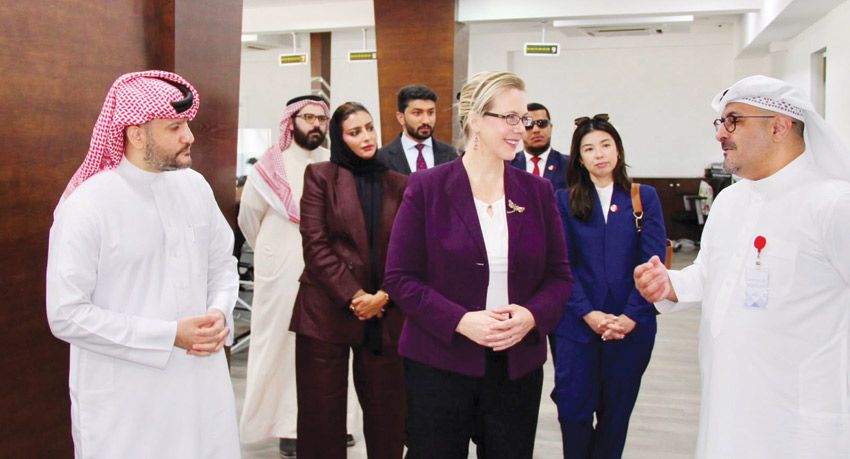
Nebras Talib, chief executive of the Labour Market Regulatory Authority (LMRA), welcomed Stephanie Hallett, the United States Ambassador to the Kingdom of Bahrain, at the Migrant Worker Protection Center Bahrain on Monday. The introductory visit included a guided tour of the Sihala-area facility and a briefing on national efforts to protect migrant labourers and advance human trafficking prevention, officials said.
Details of the visit and immediate outcomes
The meeting took place at the center affiliated with the LMRA in the Sihala district, where the two officials discussed institutional cooperation and recent policy enhancements. During the visit Nebras Talib congratulated Ambassador Hallett on her appointment and underscored the longstanding strategic relationship between Bahrain and the United States, according to LMRA representatives. Furthermore, the discussion addressed practical measures to improve workplace protections and reinforce mechanisms for reporting and remediation.
What the Migrant Worker Protection Center Bahrain does
The Migrant Worker Protection Center Bahrain serves as a focal point within the national system for protection, prevention, fairness and partnership in labour relations. The center provides services ranging from complaint intake and case management to coordination with law enforcement and social services, the center’s officials explained. Additionally, the facility aims to institutionalize best practices for worker rights and improve accessibility of support for foreign workers.
Legislative and procedural developments discussed
Ambassador Hallett was briefed on recent legislative and procedural reforms designed to enhance labour standards and strengthen the anti-trafficking framework. Officials outlined efforts to align domestic regulations with international norms, improve enforcement capacity, and streamline processes for addressing abuses in recruitment and employment, according to a statement from the LMRA. These reforms are intended to create a more transparent labour market and to ensure that protections apply to all parties involved in employment relationships.
Focus on human trafficking prevention and victim support
Both sides emphasized the importance of coordinated human trafficking prevention strategies that combine legal reform, victim protection and partner engagement. The centre’s model prioritizes rapid referral mechanisms, access to medical and psychosocial assistance, and legal support where needed. Meanwhile, officials noted that preventive measures include public awareness campaigns, targeted inspections and enhanced oversight of recruitment practices.
Implications for bilateral cooperation and regional practice
The visit reflects a broader commitment by Bahrain and the United States to cooperate on labour and human trafficking prevention issues. Officials suggested that ongoing dialogue can support technical cooperation, capacity building and information exchange between Bahraini authorities and international partners. Furthermore, strengthened institutional frameworks in Bahrain could serve as an example for neighboring states seeking to modernize labour protections and reduce exploitation risks.
How the LMRA frames future steps and monitoring
LMRA officials indicated that the center will continue to refine its procedures and expand outreach to vulnerable worker populations. Plans discussed during the visit include enhanced data collection to track case outcomes, expanded training for frontline staff, and deeper engagement with civil society organizations and employers’ groups. These steps are intended to increase transparency and accountability across the labour market.
Coordination with international stakeholders
According to the LMRA statement, coordination with embassies, international organizations and foreign employers will be central to implementing cross-border solutions. Officials said that partnerships can facilitate repatriation assistance, evidence-sharing in criminal investigations and joint training programs that raise standards for recruitment and placement practices.
What stakeholders should watch next
Observers should monitor several immediate indicators: publication of updated procedural guidelines, the launch of new training modules for inspectors and caseworkers, and announcements of pilot partnerships with international actors. Additionally, follow-up meetings or delegations between Bahraini regulators and U.S. counterparts may be scheduled to translate dialogue into concrete technical assistance or funding arrangements. These next steps will determine how swiftly the reforms discussed during the visit are operationalized.
In conclusion, the ambassador’s tour of the Migrant Worker Protection Center Bahrain highlighted the kingdom’s ongoing policy emphasis on worker protection and human trafficking prevention. Going forward, officials said they expect continued collaboration to strengthen implementation, monitor outcomes and expand preventive measures, with stakeholders due to report progress in the coming months.