







The Houthi Advance Towards Bab al-Mandab Increases Risks to Global Trade
The recent advance of Houthi forces towards the strategic Bab al-Mandab Strait poses significant threats to global trade and security. This crucial maritime corridor connects the Red Sea to the Gulf of Aden and the Arabian Sea, making any disruption here a potential crisis for international shipping routes. The ongoing situation raises alarms as officials call for international attention and actions to mitigate the risks associated with this escalation.
Key Events and International Reactions
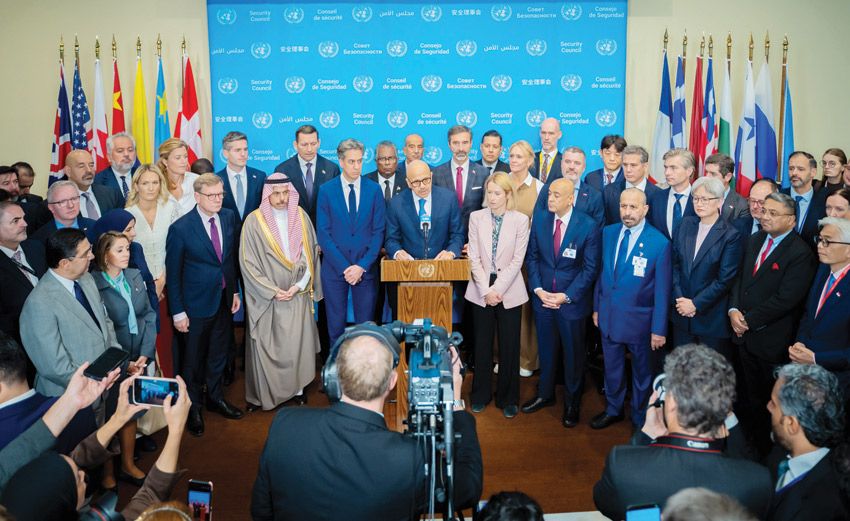
Recently, Dr. Abdulatif Al-Zayani, the Foreign Minister of Bahrain, participated in a media briefing at the United Nations headquarters in New York. The event was organized by several nations to condemn Iran’s ongoing attacks on regional countries, which have been leading to disruptions in international trade and threats to global energy security. During his speech, Al-Zayani underscored the seriousness of the threat posed by such actions, reaffirming the need for complete implementation of Security Council Resolution 2817 and urgent reopening of the Strait of Hormuz.
This meeting attracted various foreign ministers from Arab and foreign nations, along with permanent representatives and officials from multiple regional and international organizations. Al-Zayani highlighted the growing danger over the past five months since the last press briefing, illustrating the escalating nature of the conflict.
Recent Attacks and Their Implications
In a recent maritime incident off the coast of Oman, an attack on a vessel resulted in the tragic loss of an Indian national’s life, escalating tensions further. Additionally, on the same day, Houthi militias launched six ballistic missiles targeting the Kingdom of Saudi Arabia. These developments prompted widespread condemnation from the participating states, with Al-Zayani offering condolences to the families affected by these attacks and expressing solidarity with Saudi Arabia in face of the continuous threats.
International Support and Calls for Action
Dr. Al-Zayani read a joint statement on behalf of 80 countries, reaffirming support for Security Council Resolution 2817 and condemning Iran’s hostilities against neighboring states, which disrupt international trade and challenge global energy security. The statement explicitly criticized the Houthis’ decision to resume hostilities in Yemen and their reckless operations in the Red Sea, suggesting that these actions exacerbate the risks to global maritime security and international trade.
As the Houthis advance towards Bab al-Mandab, officials warn that this could further jeopardize international navigation and maritime security. The statement also called for immediate and unrestricted access for vessels through the Strait of Hormuz, urging compliance with international maritime law as outlined in the United Nations Convention on the Law of the Sea. Failure to address these issues, the officials say, will likely contribute to rising costs of goods, escalating food prices, and increasing suffering, especially for the most vulnerable populations globally.
Future Outlook and Global Trade Considerations
Looking ahead, the international community is urged to monitor the situation closely, as continued Houthi aggression may prompt a robust response from affected nations and lead to heightened military presence in the region. The potential for increased military action raises concerns about further disruption to shipping routes critical for global commerce and energy supply chains.
In conclusion, as tensions rise in the region, the focus remains on diplomatic measures to prevent escalation and ensure maritime safety. Observers will be watching for any new developments or international initiatives aimed at de-escalating the conflict, particularly as the economic implications of continued hostilities could be significant for global markets and trade dynamics.