







Discrepancies in Water and Electricity Bills Raise Concerns
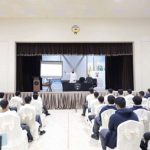
During the recent second meeting of the Southern Municipal Council’s fifth term, member Hamad Al-Zaabi raised significant questions regarding the inconsistencies in the billing for electricity, water, and municipal fees. He urged the relevant authorities to clarify the new system for calculating these amounts and ensure the accuracy of the issued bills. The issues raised have sparked a debate about the fairness and transparency of the billing process.
Public Complaints About Sewerage Fees
Al-Zaabi highlighted that the council has received numerous complaints concerning the sewerage fees included in water and electricity bills. He pointed out that there have been instances where sewerage charges exceed expected values based on water consumption. In one reported case, a user’s water bill amounted to approximately 6 dinars, while the sewerage fee reached nearly 11 dinars, a stark difference when compared to the anticipated fees of around 1 dinar and 300 or 400 fils.
Response from Authorities
After bringing the issue to light, it was reported that the authorities worked quickly to address the situation by refunding the amounts overcharged to citizens within two days. This swift action demonstrates a responsive approach to public grievances, although it raises questions about the underlying systems in place for billing calculations.
Unexpected Increases in Outstanding Payments
Al-Zaabi also noted concerns regarding the discrepancies between outstanding payments listed on bills. Some residents experienced sharp increases in their outstanding balances without any prior indication of such changes. For example, one resident reported a house bill for a household of four totaling 210 dinars, alongside a previously nonexistent outstanding amount that suddenly appeared as 159 dinars in the next month’s bill. This tracking of overdue payments has left several citizens puzzled and seeking clarity on the calculation methods employed.
Variations Among Households
Additional reports indicate notable variations between billing amounts for different types of residences, raising questions about how these disparities arise. For instance, while some homes accommodating seven or eight residents only see bills around 20 to 30 dinars, others with fewer occupants are charged amounts reaching 200, 300, or even 400 dinars. This inconsistency further complicates residents’ understanding of their utility expenses and points to a need for more uniform billing practices.
Looking Ahead: Transparency and Accountability Needed
The issues around billing discrepancies highlight the importance of transparency and accountability within the municipal billing system. Residents are now calling for a more detailed explanation of how charges are calculated and what methodologies are used for billing. There is a pressing need for local authorities to engage with citizens and provide the necessary clarifications to restore trust and ensure equitable billing practices.
As the council continues to investigate these concerns, residents will be looking for reforms aimed at preventing future discrepancies in utility charges. The ongoing dialogue between the municipal council and the community is vital for establishing a fair billing system that reflects actual usage. Continued monitoring of this situation will be crucial as citizens wait for solutions that could help alleviate their concerns over unexpected charges.