




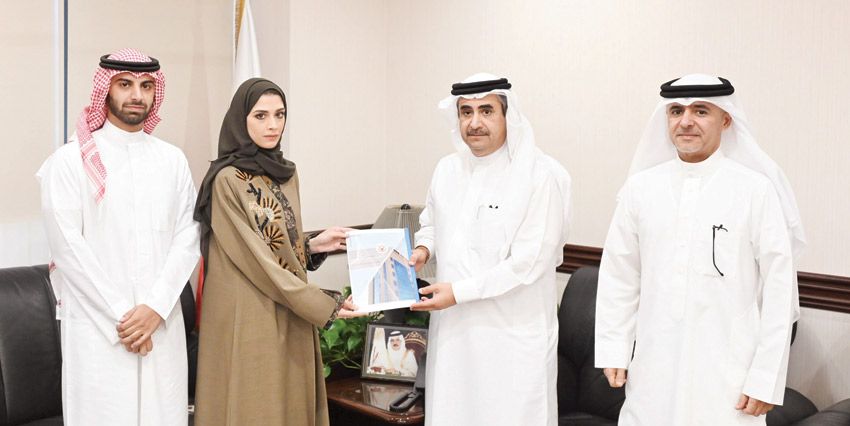

Public Prosecutor Dr. Ali bin Fadl Al-Buainain received the semiannual report from the reconciliation office in his office yesterday morning, according to official sources. The report, presented by Noura Jamal Al-Maalla, Head of Family and Child Prosecution, and Mohammed Abdulhakim Bouhaji, Head of the Reconciliation Office, covers work on family and child cases from January through June of the current year.
The presentation outlined caseload figures and outcomes that officials say demonstrate the reconciliation office’s growing role in resolving family disputes and juvenile cases outside the courtroom. Since its establishment the office has received 1,067 files and closed 436 through reconciliation, a resolution rate of about 41 percent. For the January–June reporting period, the office handled 247 cases and achieved reconciliation in 97, or roughly 39 percent.
Reconciliation Office Achieves Notable Resolution Rate
The reconciliation office recorded a 41 percent closure rate on cases referred to it since inception, the report indicates. Officials noted that many matters were resolved through mediated agreements and voluntary settlements, reducing the need for formal prosecution and trial proceedings.
According to the semiannual summary, cases alleging assault and bodily harm represented the largest share of referrals to the reconciliation office, followed by complaints involving insult and defamation. Meanwhile, family-related disputes and incidents involving minors accounted for a significant portion of the caseload, underscoring the office’s focus on family and child cases and its contribution to restorative justice initiatives.
Semiannual Results and Case Breakdown
The report supplied to the Public Prosecutor included both cumulative data and the half-year snapshot. Since the office began operations, 1,067 matters were registered, of which 436 reached closure through reconciliation mechanisms. During the first six months of the current year, staff received 247 new files and concluded 97 by agreement.
These figures suggest the reconciliation office is resolving a substantial subset of referred matters without escalating them to formal hearings. Officials said the office applies mediation techniques and legal guidance tailored to the sensitivities of family disputes and juvenile cases, aiming to preserve relationships and prioritize the best interests of children.
How the Reconciliation Office Operates
During the meeting, Noura Jamal Al-Maalla explained the office’s procedures and jurisdictional remit, as described in the report. The office receives referrals from prosecution services and courts, assesses each matter for suitability for reconciliation, and conducts facilitated sessions with parties to seek mutually acceptable solutions.
Mohammed Abdulhakim Bouhaji outlined key operational practices, including intake screening, case management, and follow-up monitoring. Officials said mediators emphasize voluntary consent, confidentiality, and safeguards for vulnerable parties, particularly minors. Therefore, where reconciliation is reached, it is documented and the prosecutorial file may be closed or otherwise adjusted in line with legal protocols.
Impact on Family Stability and Juvenile Justice
Public Prosecutor Dr. Ali bin Fadl Al-Buainain praised the reconciliation office’s achievements and highlighted its role in strengthening family stability. He emphasized that successful reconciliation can reduce the psychological and social costs of litigation and promote outcomes that serve a child’s welfare, according to official remarks.
Experts and officials interviewed for the report suggest that restorative approaches can alleviate court backlogs while offering rehabilitative options for young offenders. Furthermore, the reconciliation office’s focus on amicable settlement is intended to support long-term family cohesion and limit the potentially corrosive effects of adversarial proceedings.
Case Types and Trends
The semiannual data points to assault and bodily harm as the predominant category of referrals, followed by verbal abuse and defamation claims. Officials said case trends may reflect underlying social tensions and stressed the importance of early intervention to prevent escalation into criminal adjudication.
Next Steps and What to Watch
The Public Prosecutor commended the office staff for their professional and humanitarian work and called for continued support to expand reconciliation services where appropriate. According to the report, recommendations include strengthening outreach, enhancing training for mediators, and improving coordination with family support services.
Observers should watch for implementation of those recommendations and for the reconciliation office’s performance in the second half of the year. A follow-up report or an annual review is expected later in the year, which will provide a fuller picture of trends, rates of sustained agreements, and potential reforms aimed at scaling restorative justice practices.
In conclusion, the semiannual report presented to Dr. Ali bin Fadl Al-Buainain highlights the reconciliation office’s measurable contributions to resolving family and child cases through mediation. Stakeholders will monitor whether the office can maintain or increase its resolution rate while safeguarding the rights and welfare of children and other vulnerable parties.