






Oman UK strategic partnership highlighted during London meeting
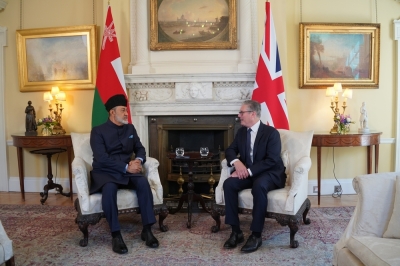
Sultan Haitham bin Tariq met with UK Prime Minister Sir Keir Starmer at the Prime Minister’s residence in London on the evening of July 2, officials said. The leaders discussed the Oman UK strategic partnership, exploring ways to deepen bilateral cooperation across political, economic and security domains.
The meeting offered an opportunity to reaffirm long-standing diplomatic ties between the two countries and to address pressing regional concerns. Also present were Omani Foreign Minister Badr bin Hamad Al Busaidi and Ambassador Badr bin Mohammed Al Mandhari, alongside UK National Security Adviser Jonathan Powell and Ambassador Dr. Liane Saunders.
Scope and aims of the Oman UK strategic partnership
The conversation centered on enhancing the Oman UK strategic partnership to serve mutual interests and expand opportunities for trade, investment and people-to-people links. Sultan Haitham and Prime Minister Starmer sought practical measures to translate political goodwill into concrete cooperation, according to an Omani statement circulated after the meeting.
Furthermore, the talks reviewed existing frameworks for collaboration and discussed potential new agreements in areas such as energy, education and technology. Officials emphasized that a stronger partnership would support long-term growth and resilience for both societies, while respecting each country’s development priorities and sovereign interests.
Regional security, Gulf waterways and maritime security
Delegates also addressed regional developments, with a shared focus on de-escalation and measures to prevent further tension. Both sides discussed options to support ongoing diplomatic efforts aimed at resuming safe navigation through Gulf waterways and safeguarding commercial shipping lanes, matters framed repeatedly as vital to global trade and regional stability.
The leaders reviewed approaches to Gulf security and explored how coordinated international engagement could reduce the risk of incidents at sea. Officials noted that constructive diplomacy, enhanced maritime security cooperation and confidence-building measures would be necessary to keep vital sea routes open and secure.
Iranian nuclear file and broader diplomatic efforts
Senior officials present said the meeting included exchange of views on the Iranian nuclear file and other outstanding regional issues. The discussions emphasized support for negotiations and diplomatic channels that could lead to durable agreements, thereby lowering tensions and enabling economic and social progress across the region.
Oman’s traditional role as a regional interlocutor was referenced by both sides, and attendees indicated they would continue to coordinate efforts where appropriate. The aim, according to briefings, is to combine diplomatic pressure with dialogue to reach sustainable outcomes that preserve security and coexistence in the Gulf.
Economic cooperation and diplomatic ties
Trade and investment links were another major topic, as both leaders explored ways to increase bilateral commerce and private-sector engagement. Therefore, discussions touched on energy cooperation, green transition opportunities and potential joint ventures that align with national development plans.
Additionally, cultural and educational exchanges were identified as tools to strengthen diplomatic ties and deepen mutual understanding. Officials suggested that enhancing academic partnerships and scholarships could support workforce development and long-term people-to-people relations between the United Kingdom and Oman.
Who attended and what officials said
From the Omani side, Foreign Minister Badr bin Hamad Al Busaidi and Ambassador Badr bin Mohammed Al Mandhari accompanied Sultan Haitham. The UK delegation included National Security Adviser Jonathan Powell and Ambassador Dr. Liane Saunders, who have been engaged in bilateral cooperation work in recent months.
According to a joint readout, the leaders agreed on the value of continued dialogue and coordination. The official statements stopped short of announcing specific new agreements, but conveyed mutual intent to advance the partnership through targeted initiatives and ministerial-level follow-ups.
Implications for regional diplomacy and next steps
The meeting is likely to reinforce both countries’ capacity to contribute constructively to regional diplomacy, especially on issues of maritime security and the Iranian nuclear file. Furthermore, senior officials said follow-up mechanisms would be needed to transform discussions into actionable projects and policy coordination.
Observers should watch for subsequent ministerial visits, working-group meetings and possible memoranda of understanding that would operationalize the agenda set in London. Meanwhile, continued engagement on Gulf security remains a priority, with efforts expected to focus on confidence-building measures and support for multilateral negotiation tracks.
Conclusion and what to watch next
The London meeting between Sultan Haitham and Prime Minister Starmer underlined a mutual commitment to strengthen the Oman UK strategic partnership and to cooperate on regional stability and maritime security. In the coming weeks, officials from both capitals are expected to outline concrete steps, including potential sectoral agreements and diplomatic follow-ups.
Readers should watch for announcements of joint initiatives or ministerial visits that would signal tangible progress. Furthermore, developments in regional negotiations and any agreed confidence-building measures for Gulf waterways will be key indicators of whether the meeting translates into sustained policy impact.