






Home Healthcare Training Oman: National TOT Launches in Ibra
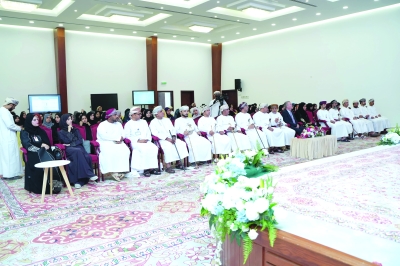
This morning at Al-Amjad Hall in Ibra, the Directorate General of Health Services and Programs at the Ministry of Health launched the second edition of the National Home Healthcare Training (train-the-trainer TOT) for 2026. The week-long home healthcare training Oman program aims to prepare and certify a cadre of trainers and change leaders drawn from Muscat and North Al Sharqiyah governorates, ministry officials said.
The opening ceremony was attended by Sheikh Hamad bin Khalifa Al Abri, Dr. Asmus Hambrecht representing the World Health Organization in Oman, Dr. Ahmed bin Saeed Al Saidi, Director General of Health Services for North Al Sharqiyah, and Dr. Ronaq bint Turki Al Saidi. The event included an exhibition, keynote remarks, and a series of technical sessions initiating practical capacity-building activities.
Program Objectives and Early Remarks
Organizers described the training as a strategic initiative to harmonize clinical practice and elevate the quality of home care services nationwide. According to the Home Care Services Department at the Ministry of Health, the program will equip participants with standardized curricula and teaching skills to replicate training across their institutions.
Nahed bint Ali Al Jameel, head of the Home Care Services Department, outlined objectives that include unifying care protocols, improving beneficiary safety, and ensuring sustainable service expansion. Meanwhile, Dr. Ahmed Al Saidi emphasized the program’s alignment with national health priorities and the broader Oman Vision 2040 goals for a people-centered, sustainable health system.
Program Content and Expert Sessions
The opening day combined a public exhibition with concentrated technical lectures. The exhibition showcased recent initiatives and achievements in home care services, while expert panels addressed multidisciplinary aspects of home-based care. Therefore, participants received both contextual policy framing and practical clinical guidance.
Sessions covered social support, rehabilitation, nutrition interventions, environmental risk mitigation, and respiratory care. Nasser bin Abdullah Al Hizami, a social specialist with the Ministry of Social Development, presented on social support mechanisms and their role in empowering families. Majdi Ahmed Al Yazidi from Ibra Referral Hospital reviewed physiotherapy practices adapted for home settings and their impact on patient quality of life.
Samira Al Abrowi, a clinical nutritionist, discussed targeted dietary interventions to support recovery, and Kholood Al Rashdi presented evidence-based approaches to addressing environmental barriers and preparing safer homes for vulnerable patients. The final technical lecture of the day, delivered by Khalis Al Siyabi, focused on current standards for home respiratory support and patient monitoring, according to session summaries distributed by organizers.
Interactive Learning and Trainer Preparation
In addition to lectures, the program integrates interactive workshops and a train-the-trainer methodology to build facilitation skills. Participants will practice case-based teaching, simulation techniques, and assessment methods intended to ensure consistent replication of content across health facilities.
Strategic Partnerships and New Tools for Field Teams
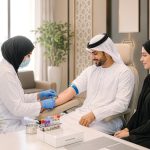
The ministry announced the launch of a new program logo and introduced the first standardized home visit kit, developed in strategic partnership with Shell Oman Marketing Company. The standardized kit is intended to provide frontline teams with integrated, safe tools for in-home assessment and care, officials stated.
Public-private collaboration was highlighted as a key enabler for operational readiness. The ministry noted that partnerships can accelerate access to equipment and logistic support, thereby strengthening the capability of home care teams to deliver services in remote and urban settings alike.
Implications for Health Workforce Development and Quality of Care
Officials framed the National Home Healthcare Training as part of a sustained investment in human capital, one that supports the Ministry of Health Oman objective to unify clinical practices and improve patient outcomes. The program is expected to create a network of certified trainers who will cascade training across governorates, thereby improving consistency of home care services.
Furthermore, the inclusion of multi-sector expertise—from social work to nutrition and respiratory therapy—reflects international recommendations for integrated home care approaches. According to WHO guidance referenced by participants, multidisciplinary home care can reduce hospital readmissions and enhance patient-centered outcomes when implemented with standardized protocols and competent staff.
Next Steps and What to Watch
The training continues throughout the week with practical assessments and peer evaluations scheduled before certification. Authorities said follow-up measures will include on-site mentorship, monitoring of training quality, and a phased rollout to additional governorates during 2026, pending budgetary and logistical planning.
Readers should watch for the ministry’s forthcoming progress reports that will outline the number of trainers certified, deployment timelines for the home visit kits, and metrics used to evaluate service impact. Meanwhile, stakeholders noted that successful scale-up will depend on ongoing partnerships, data-driven supervision, and sustained investment in workforce development.
Conclusion and Forward Outlook
The National Home Healthcare Training in Ibra represents an operational step toward a standardized, sustainable home care model in Oman. By combining train-the-trainer methods, multidisciplinary content, and public-private support, the Ministry of Health aims to expand home care services while maintaining safety and quality standards.
As the program progresses this week, officials will assess training outcomes and refine implementation plans. Observers should expect updates on certification results and the next phase of rollouts to other governorates, as part of broader efforts to meet the health system goals set out in Oman Vision 2040.