






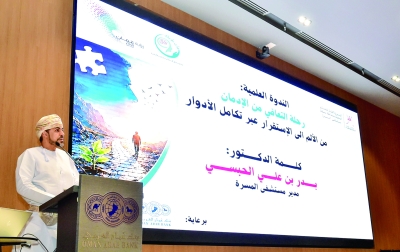

Addiction recovery central at Al Massara Hospital symposium
Al Massara Hospital in Oman hosted a scientific symposium titled “The Journey of Recovery from Addiction (From Pain to Stability Through Role Integration),” underscoring addiction recovery as a national health priority. Hospital officials said the event gathered health and government specialists to discuss prevention, integrated treatment and the challenge of dual diagnosis.
The seminar took place as part of the hospital’s ongoing public outreach to boost mental health awareness and foster cross-sector collaboration, organizers confirmed. Dr. Badr bin Ali Al-Habsi, the hospital director, emphasized community responsibility in supporting recovery and reducing stigma.
Why integrated approaches are vital for addiction recovery
Speakers at the symposium argued that addiction recovery requires more than clinical treatment; it depends on prevention, family support and social reintegration. According to officials, integrated care models that combine medical, psychological and social services yield better outcomes, particularly for complex cases involving co-occurring disorders.
Dr. Badr bin Ali Al-Habsi told attendees that the hospital organized the initiative out of a belief that mental health is a shared societal duty. Furthermore, he said spreading accurate information and building community capacity are foundational to preventing substance misuse and sustaining recovery.
Addressing dual diagnosis and clinical challenges
One focal point of the sessions was dual diagnosis, which refers to the coexistence of substance use disorders and mental health conditions. Clinicians at the event reviewed the links between psychiatric disorders and substance misuse and recommended coordinated screening to identify dual diagnosis early.
Participants discussed clinical pathways that integrate psychiatric care with addiction treatment, noting that fragmented services can delay diagnosis and complicate recovery. In response, presenters highlighted models that encourage simultaneous treatment planning and multidisciplinary case management.
Screening, diagnosis and coordinated treatment
Experts emphasized routine screening protocols in primary care and mental health settings to detect dual diagnosis. Meanwhile, they recommended shared care plans that involve psychiatrists, addiction specialists, social workers and legal advisors when appropriate to address the full range of patient needs.
Prevention, family role and community awareness
The symposium also stressed prevention strategies and the role of families in early detection. Officials observed that informed families and communities can identify warning signs earlier and connect individuals to services before problems escalate.
Sessions covered educational campaigns, school-based prevention and community outreach as core elements of mental health awareness. Additionally, speakers urged employers and civil society groups to participate in destigmatizing conversations and support networks for those in recovery.
Aftercare programs, relapse prevention and partnership building
Delegates reviewed aftercare programs as essential to reducing relapse risk and reinforcing stability after initial treatment. Evidence presented at the event suggested that ongoing follow-up, peer support and accessible community services are critical to maintaining gains from inpatient or outpatient care.
Organizers called for stronger partnerships among health providers, government agencies and non-governmental organizations to create a continuum of care. Furthermore, they outlined the need for policy support and resource allocation to expand aftercare programs and monitoring systems.
Continuity of care and measurement
Speakers recommended implementing measurable benchmarks for recovery outcomes, including employment, social functioning and mental health status. Therefore, routine data collection and coordinated case reviews were proposed to evaluate program effectiveness and guide improvements.
Implications for policy and public health in Oman
The symposium’s recommendations have implications for national policy on addiction and mental health awareness. Officials suggested that integrated services, early detection of dual diagnosis and expanded aftercare could reduce long-term costs and improve quality of life for affected individuals.
Healthcare leaders indicated that multi-agency collaboration will be necessary to scale effective interventions, and that public education campaigns should accompany clinical reforms to create supportive environments for recovery.
Looking ahead: next steps and what to watch
Al Massara Hospital plans to continue outreach efforts and build collaborative programs with relevant institutions, hospital representatives said. Stakeholders will likely monitor the development of integrated care pathways, the expansion of aftercare programs and the adoption of routine screening for dual diagnosis.
Readers should watch for announcements about pilot programs, interagency agreements and community training events in the coming months as indicators of progress toward a more coordinated, prevention-oriented approach to addiction recovery in Oman.