






Al Dakhiliyah development projects advance with OMR 92 million in investments
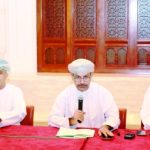
NIZWA, Oman — Al Dakhiliyah development projects were the focus of a regular meeting between the acting governor and members of the Shura Council representing the governorate’s wilayats, officials said. The session reviewed progress on 282 projects implemented, under construction or awarded, with total investments exceeding OMR 92.03 million as part of efforts aligned with Oman Vision 2040.
Acting Governor Sheikh Mahmoud bin Rashid Al Saadi outlined that the governorate is pursuing an integrated development approach centered on strategic planning, maximizing socioeconomic impact and strengthening public-private partnerships. The update covered completed work, active contracts and projects at tendering stages, and set priorities for accelerating implementation across the region.
Overview of project status and investment breakdown
The governorate reported that of the 282 projects, 241 have been completed, 33 are currently under execution and eight are in the process of being awarded. According to the official briefing, investments total OMR 92.03 million, allocated following development priorities that reflect the needs and comparative advantages of each wilayat.
In urban development, authorities completed 36 projects at a combined cost of OMR 23.56 million. These works included new and upgraded parks, public squares, markets and tourism-oriented service facilities, together with urban beautification initiatives intended to improve the built environment and residents’ quality of life.
Infrastructure and road works boost connectivity
Roads and basic infrastructure form a substantial portion of the program. The governorate implemented 53 internal road projects with a cumulative length of 434.3 kilometres and expenditure exceeding OMR 43.1 million. Utilities and safety works included 21 lighting projects that installed 907 lighting poles in several wilayats, improving night-time visibility and road safety.
Officials said 245.5 kilometres of roads were completed during 2024 and 2025, and a further 203 kilometres of new roads are planned for implementation in 2026. Meanwhile, an industrial estate road paving initiative covering 33 kilometres was highlighted as a support measure for local manufacturing and logistics activity.
Economic impact and local content achievements
The meeting also reviewed economic indicators tied to the projects. Al Dakhiliyah ranked first among Omani governorates on local content application in 2025, achieving a 90.3 percent rate, the governorate reported. The share of contracts awarded to small and medium enterprises rose to 52.8 percent, reflecting a strategic push to mobilize local suppliers and services.
These figures, officials said, demonstrate a policy focus on increasing the economic multiplier of public investment by channeling procurement to domestic firms and expanding opportunities for SMEs. Therefore, the projects are intended to stimulate job creation, foster entrepreneurship and strengthen supply chains within the governorate.
Strategic project highlights and tourism potential
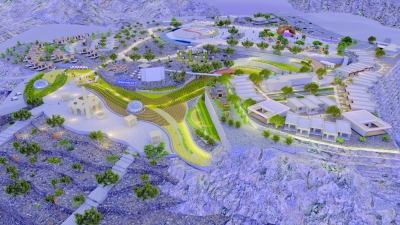
The briefing outlined several flagship initiatives aimed at boosting tourism and urban identity. The Interior Square project in Nizwa—the governorate capital—has reached 60 percent completion. The development spans 145,000 square metres with a project cost exceeding OMR 8.37 million and is expected to generate about 380 jobs and 57 investment opportunities when finished, officials said.
Other strategic works include plans for an integrated public transport station, the Jebel Shams waterfront in Al Hamra, the Eastern Mountain Oasis, and new parks on Nizwa and Jabal Akhdar. These projects are positioned to leverage the governorate’s natural and cultural assets, enhancing its appeal to domestic and international visitors while supporting diversified economic activity.
Coordination and delivery mechanisms
During the meeting, participants discussed mechanisms to expedite project delivery, including improved inter-agency coordination, clearer timelines and strengthened oversight. Officials emphasized the need to align contractors’ schedules with seasonal constraints and to prioritize projects that yield immediate social and economic benefits.
Furthermore, officials called for ongoing monitoring of local content targets and SME participation to ensure that procurement outcomes support broader development objectives under Oman Vision 2040.
Implications for residents and investors
The scale and scope of the governorate’s program are expected to affect residents through upgraded public amenities, better road connectivity and expanded local employment opportunities. Investors may see enhanced readiness of industrial plots and improved urban spaces that can catalyse private sector interest, especially in tourism and services.
Policymakers noted that sustained coordination between national ministries, local authorities and the private sector will be essential to translate capital allocations into tangible improvements in service delivery and economic performance.
Looking ahead: timelines and next steps
Officials indicated that 2026 will focus on completing planned road schemes and accelerating the projects now under construction or at tender stage. The governorate plans to maintain progress reporting to the Shura Council and to continue measuring local content and SME engagement as part of periodic reviews.
Readers should watch for updates on completion milestones for the Interior Square in Nizwa and the rollout of the 203 kilometres of roads slated for 2026. Continued public disclosure of implementation status will be important for assessing progress toward the governorate’s development goals and for aligning efforts with Oman Vision 2040 priorities.