






Sea pen recorded for first time in Qatar during June field survey
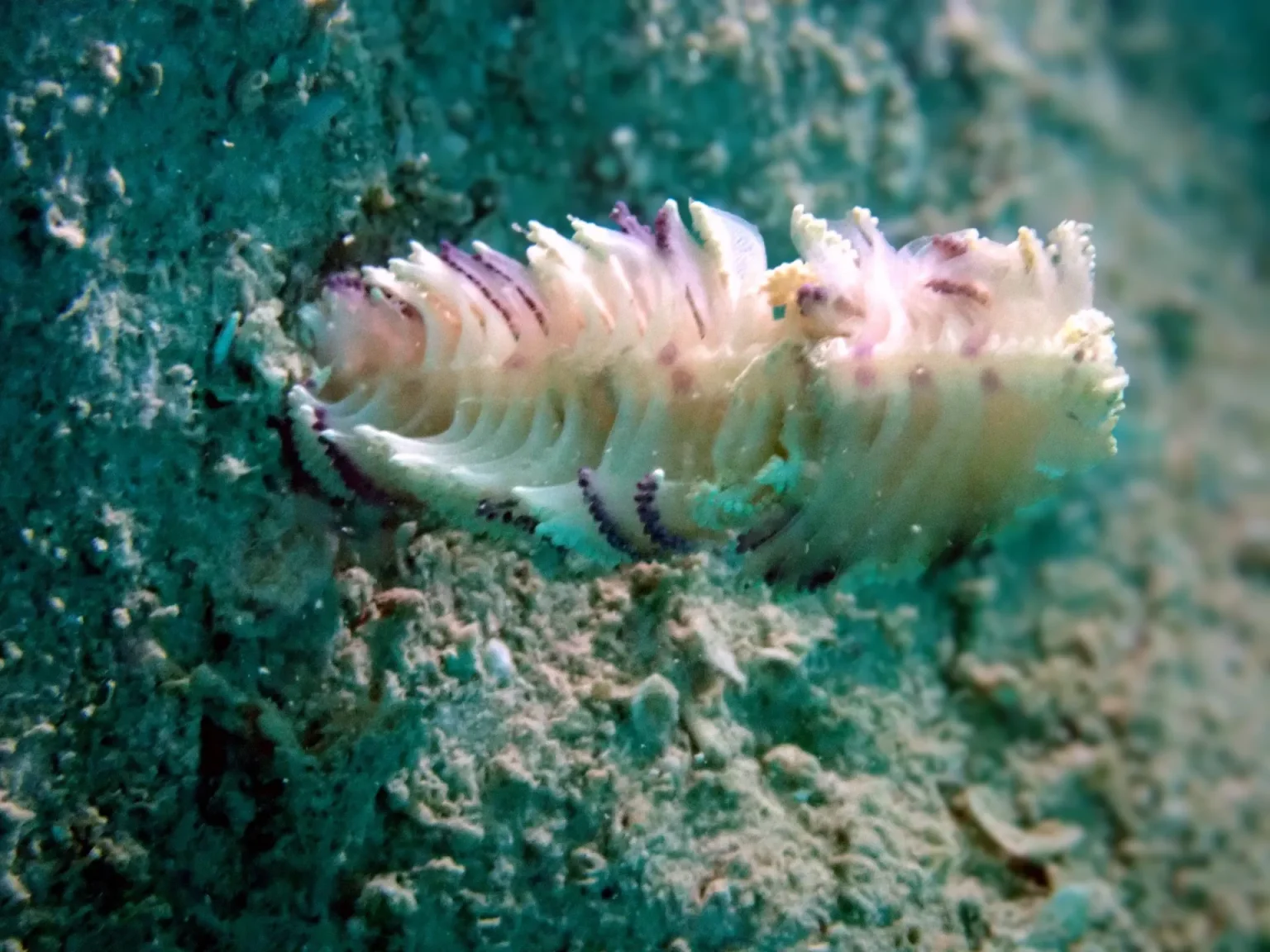
A sea pen was recorded for the first time in Qatari waters during a June field survey, expanding the known regional range of this soft-bodied coral relative. Researchers from the Ministry of Environment and Climate Change in Qatar documented the organism and reported the finding in a note to Regional Studies in Marine Science, saying a physical specimen was collected for further analysis.
The discovery occurred during routine habitat restoration and coral conservation work aimed at protecting Qatar marine biodiversity. According to Dr. Charan Kumar Baidya, a marine biologist with the ministry and lead author on the report, the animal closely matches Virgularia cf. gustaviana in appearance but requires genetic testing to confirm its exact identity.
Why the sea pen discovery matters for Qatar marine biodiversity
The appearance of a sea pen in Qatar has ecological significance because these organisms form three-dimensional structures in otherwise flat, soft-sediment habitats. Therefore, they provide shelter, substrate and feeding opportunities for a range of invertebrates and fish, enhancing local biodiversity and increasing habitat complexity, officials said.
Soft-sediment habitats have historically received less survey effort than reefs, seagrass meadows or mangrove stands, and sea pens can be partly buried or overlooked in conventional bottom surveys. Furthermore, Gulf biodiversity assessments have gaps that this finding helps highlight, indicating that additional species may be present but undocumented across the Arabian Gulf.
Identification: Virgularia cf. gustaviana and limits of morphological evidence
The research team assigned the specimen the provisional name Virgularia cf. gustaviana, indicating a strong morphological match without full confirmation. Dr. Baidya noted the colony’s featherlike central axis, arrangement of polyps and overall size are consistent with that species, but morphology alone is insufficient for definitive classification in this group.
Therefore, the researchers plan to apply DNA barcoding and molecular comparison with reference sequences to obtain a conclusive taxonomic identification. Meanwhile, the ministry’s report cautions that regional distribution maps should be updated only after laboratory confirmation and additional field verification.
Genetic testing and laboratory analysis
Genetic sequencing will target established barcode markers and compare the sample to sequences held in public databases, according to the research summary. This approach reduces misidentification risk when morphological traits are ambiguous, and it helps determine whether Gulf populations are connected to those recorded off Kuwait and Iran or represent isolated occurrences.
Results from molecular work will be integrated with detailed morphological assessment and published in follow-up scientific articles, the ministry said. The integrated dataset will improve confidence in distribution records and support regional monitoring of benthic biodiversity.
Implications for habitat mapping and conservation planning
The sea pen discovery underscores the need to broaden habitat mapping efforts to include extensive soft-sediment surveys across Qatar and neighbouring Gulf states. Because such habitats occupy large areas of the seafloor, species that structure these environments may play outsized roles in ecosystem functioning and resilience, experts said.
Therefore, resource managers should incorporate targeted surveys for sea pens and other sediment-associated organisms into marine spatial planning. Furthermore, noting the potential for these organisms to act as nursery habitats, fisheries and conservation planners may need to consider soft-bottom areas in protected-area design and restoration schemes.
Regional context: Gulf biodiversity and previously undocumented records
Sea pens have been reported elsewhere in the Arabian Gulf, particularly off Iran and Kuwait, but had not appeared in formal records for Qatar prior to this event. The ministry framed the finding as part of a broader pattern of recent discoveries—new records of corals, macroalgae and invertebrates—that together suggest Gulf biodiversity remains incompletely documented.
Accordingly, researchers call for coordinated, transboundary surveys and standardized methods to map habitats and document species distributions across the Gulf. Collaborative approaches will help determine whether populations are continuous across borders or occur as isolated patches requiring local protection.
What to expect next: surveys, analysis and timeline
The ministry confirmed a sample was collected in early June and sent for detailed laboratory analysis. Findings from morphological and genetic work are expected to appear in peer-reviewed publications later this year or early next year, depending on sequencing and review timelines, officials said.
Meanwhile, additional field surveys are scheduled to assess the extent of the observed population and search for other sea pen occurrences. Observers should watch for updated distribution maps, conservation recommendations, and any proposals to include sediment habitats in national management plans.
Conclusion: a prompt for expanded monitoring and research
The provisional record of a sea pen in Qatari waters highlights both a new element of local biodiversity and persistent knowledge gaps in soft-sediment ecosystems. Therefore, continued surveys, genetic verification and cross-border collaboration will be essential to refine understanding of Gulf biodiversity and to inform conservation priorities.
Readers should watch for the forthcoming lab results and subsequent publications that will clarify the sea pen’s identity, distribution and ecological role. In the short term, the ministry and research partners plan more targeted fieldwork to map occurrences and assess implications for habitat protection and restoration.