





Tabuk education preparations reviewed by regional leadership
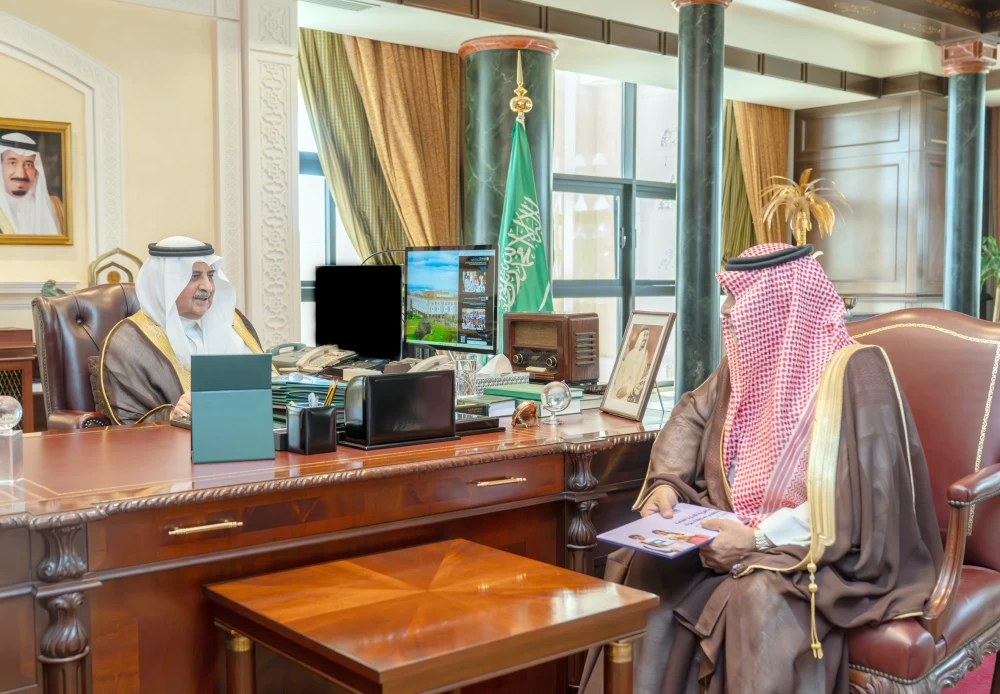
Prince Fahd bin Sultan bin Abdulaziz reviewed Tabuk education preparations for the upcoming academic year during a reception of the General Directorate of Education’s director general, Majid Abdulrahman Al-Qaer. The meeting, held in Tabuk, focused on readiness for the new school year 1448H, including student reception programs, the condition of school buildings and measures to prepare the learning environment.
What the report presented about school readiness
The report presented to the emir outlined programs to welcome students and students, procedures for preparing classrooms and communal spaces, and inspections of school facilities. Officials said the review covered the readiness of school buildings and infrastructure and identified actions taken to ensure safe and functional learning spaces. Furthermore, the report indicates regular maintenance work and logistical arrangements have been part of the school readiness effort.
In contrast to routine facility checks, the review also addressed softer elements of school readiness, such as orientation plans, staffing allocations and readiness of support services. Therefore, district administrators stressed that student wellbeing and timely access to educational resources remain central to preparations for the new school year 1448H.
Educational governance and system objectives
During the meeting, Prince Fahd received an explanation of the general education system, its objectives and regulatory frameworks designed to strengthen educational governance and improve outcomes. The presentation framed these frameworks as tools to enhance accountability, standardize practices across schools and promote quality across the region, according to officials.
Officials said the system’s regulatory elements are intended to raise the quality of learning outcomes and increase the efficiency of educational environments. Meanwhile, observers noted that the emphasis on governance aligns with national efforts to modernize education management and to support measurable improvements in student performance and school operations.
Emphasis on integration between administration, schools and families
Prince Fahd stressed the importance of close coordination between the regional education administration, individual schools and families. He underscored that a cooperative relationship among these stakeholders is essential to provide an attractive and effective learning environment, according to the briefing notes provided to the emir.
Furthermore, the emir highlighted attention to the quality of educational outcomes and commended the national leadership’s continued support for the education sector. Officials said his remarks reinforced a policy direction that links administrative oversight with community engagement to support student achievement.
Practical measures for an attractive educational environment
The review included descriptions of measures to create more engaging school environments, such as classroom refurbishments, enhanced learning materials and extracurricular planning. The report indicates these steps are aimed at making schools more welcoming and conducive to learning, which officials said is a key part of improving retention and academic engagement.
Additionally, the presentation touched on health and safety protocols, accessibility improvements and facilities management as components of the environment strategy. Therefore, implementation teams were described as prioritizing interventions that combine physical upgrades with pedagogical support.
Related support and alignment with broader education priorities
Officials said Tabuk education preparations are designed to align with broader Ministry of Education priorities, including efforts to raise standards and expand access to quality instruction. The regional review appears to reflect a wider push toward measurable improvements in teaching quality, facilities and administrative processes.
What this means for teachers, students and families
For teachers, the preparations suggest an emphasis on clearer operational guidance and better-resourced classrooms. Meanwhile, students can expect orientation programs and adjustments intended to support a smooth start to the academic year. Families are being positioned as active partners in the transition process, with officials noting planned communication efforts to inform parents about school procedures and expectations.
Therefore, the combined focus on infrastructure, pedagogical readiness and stakeholder engagement aims to produce a more cohesive start to the new school year 1448H and to limit disruptions that commonly affect school openings.
Implementation, oversight and next steps
Regional authorities indicated that follow-up inspections and monitoring will continue ahead of the school opening, with accountability frameworks applied to ensure actions are completed. According to the report, the General Directorate of Education will provide periodic updates on progress and any additional requirements that emerge during final preparations.
Readers should watch for announcements regarding the official opening of the academic year and for further statements from the education directorate that detail final readiness checks. Meanwhile, regional administrators are expected to continue coordinating with school leaders and families to ensure the plans discussed at the review are carried out effectively.
Conclusion and outlook for the new school year
The emir’s review of Tabuk education preparations underscores a coordinated effort to ensure a timely and orderly start to the new school year 1448H. Moving forward, officials said implementation of the outlined measures and continued oversight will be key to achieving the stated goals of improved governance and higher-quality learning outcomes.
In the coming weeks, stakeholders will likely focus on final readiness verifications and communication with communities. Therefore, the next expected step is a series of follow-up reports and inspections that will clarify whether the preparations meet the region’s operational and educational standards.