








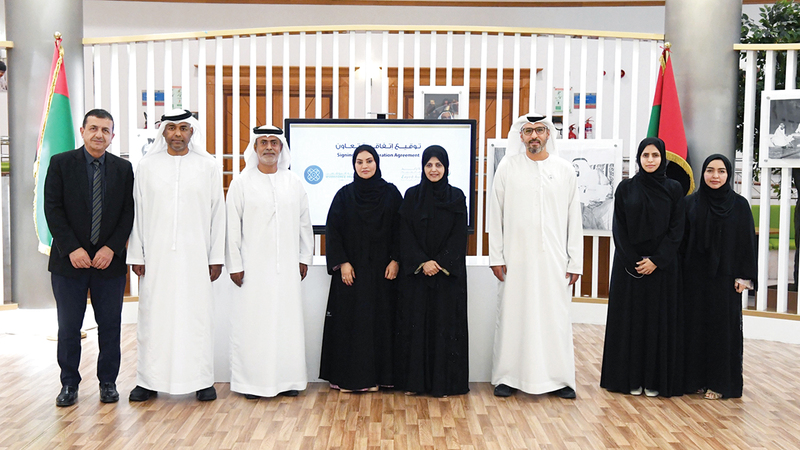

Zayed Higher Organization for People of Determination Signs Partnership with Holstic Medical Center
The Zayed Higher Organization for People of Determination has signed a cooperation agreement with Holstic Medical Center to support students with disabilities in the organization’s rehabilitation workshops, officials said. The deal, announced recently in Abu Dhabi, aims to strengthen medical and vocational readiness so trainees can transition from rehabilitation settings into suitable employment.
Under the agreement, both parties will coordinate health and occupational evaluations, workplace adaptation plans, and training recommendations to improve employment outcomes for people of determination. The collaboration forms part of broader efforts to modernize vocational rehabilitation and align training with workplace needs.
Scope of Services: Health, Fitness and Workplace Assessments
The memorandum outlines joint delivery of medical fitness checks, occupational health assessments, and workplace evaluations, according to the agreement text shared by officials. These services will produce medical and vocational reports that help identify suitable tasks and roles that match the capabilities and health needs of each student.
Furthermore, the partnership includes assessment of assistive device requirements and recommendations for environmental adjustments to meet health and safety standards. Therefore, the assessments are intended to reduce barriers to employment and ensure that job tasks are appropriate, safe and sustainable for each individual.
How the Partnership Enhances Vocational Rehabilitation
This collaboration is designed to make vocational rehabilitation more integrated by linking clinical assessment, psychological evaluation and skills training. By combining expertise from a specialized health provider with the organization’s rehabilitation programs, the partnership seeks to deliver tailored training plans that reflect each trainee’s physical and cognitive profile.
In practice, this means trainers and clinicians will co-develop individualized plans that identify realistic job tasks, recommend therapeutic or adaptive interventions, and set progress milestones. Consequently, trainees can benefit from a clearer pathway from workshop-based training to supported or independent employment.
Training, Awareness and Workplace Inclusion
Beyond assessments, the agreement includes shared workshops, awareness campaigns and staff training on occupational safety for personnel who work with people of determination. The joint programs will provide technical advice and capacity building for instructors and employers, helping to create safer and more inclusive training and work environments.
Additionally, the partners will run educational sessions that cover workplace accommodations, safe task design and the use of assistive technologies. This element aims to increase employer confidence and readiness to hire people of determination, while supporting retention through appropriate job matching and workplace modifications.
Officials’ Statements and Strategic Context
Abdullah Abdulali Al-Humaidan, Secretary-General of the Zayed Higher Organization for People of Determination, described the agreement as a significant step in developing vocational pathways for students. He said linking training to integrated health, vocational and psychological assessments helps to accurately identify individual abilities and needs, and to align job roles with those capacities.
Professor Dr. Nihayan Hilal, Executive Director of Holstic Medical Center, said the partnership reflects the center’s commitment to supporting Abu Dhabi’s inclusion priorities. He noted the center will provide advanced health and fitness evaluations and contribute to adapting workplaces so they are safer and more accessible for people of determination.
Expected Benefits for Trainees and Employers
Officials expect several practical benefits from the partnership: improved job readiness for trainees, clearer documentation of work-related capabilities, and more targeted employer outreach. Employers will receive actionable recommendations on task assignments, workplace adjustments, and assistive tools that can enhance productivity and safety.
Furthermore, the cooperation is intended to shorten the transition time from rehabilitation workshops to employment by reducing uncertainty about job fit. Therefore, trainees who receive coordinated medical and vocational input are more likely to find roles aligned with their strengths and long-term development goals.
Implementation, Monitoring and Next Steps
The agreement stipulates collaborative implementation, with the partners sharing technical expertise and reporting to track outcomes, according to officials. The initial phase will focus on piloting assessments within selected workshops and refining referral and reporting mechanisms to ensure smooth coordination.
Evaluation metrics are expected to include readiness indicators, placement rates and employer satisfaction, though the formal monitoring framework will be established as the program rolls out. Meanwhile, stakeholders will watch how quickly customized recommendations translate into workplace placements and sustained employment.
Implications for Inclusive Employment and Policy
By integrating occupational health assessment with vocational rehabilitation, the partnership contributes to broader inclusion objectives in the Abu Dhabi context. Experts say such models can inform policy by demonstrating practical approaches to workplace adaptation, skills matching and employer engagement.
Furthermore, the collaboration may serve as a template for similar initiatives that seek to bridge clinical assessment and vocational services. Therefore, public and private entities interested in expanding inclusive employment can observe the outcomes and adapt best practices to local contexts.
Conclusion and What to Watch Next
The agreement between the Zayed Higher Organization for People of Determination and Holstic Medical Center represents a strategic effort to convert rehabilitation into tangible employment opportunities. Observers should watch for pilot results, the formal monitoring framework, and early placement figures to assess the partnership’s effectiveness.
Next steps will include piloting assessments in selected workshops, finalizing reporting protocols and scaling services based on initial findings. If successful, the model could accelerate the integration of people of determination into safe, productive and inclusive workplaces.