








UAE unified final account 2025 underlines fiscal resilience
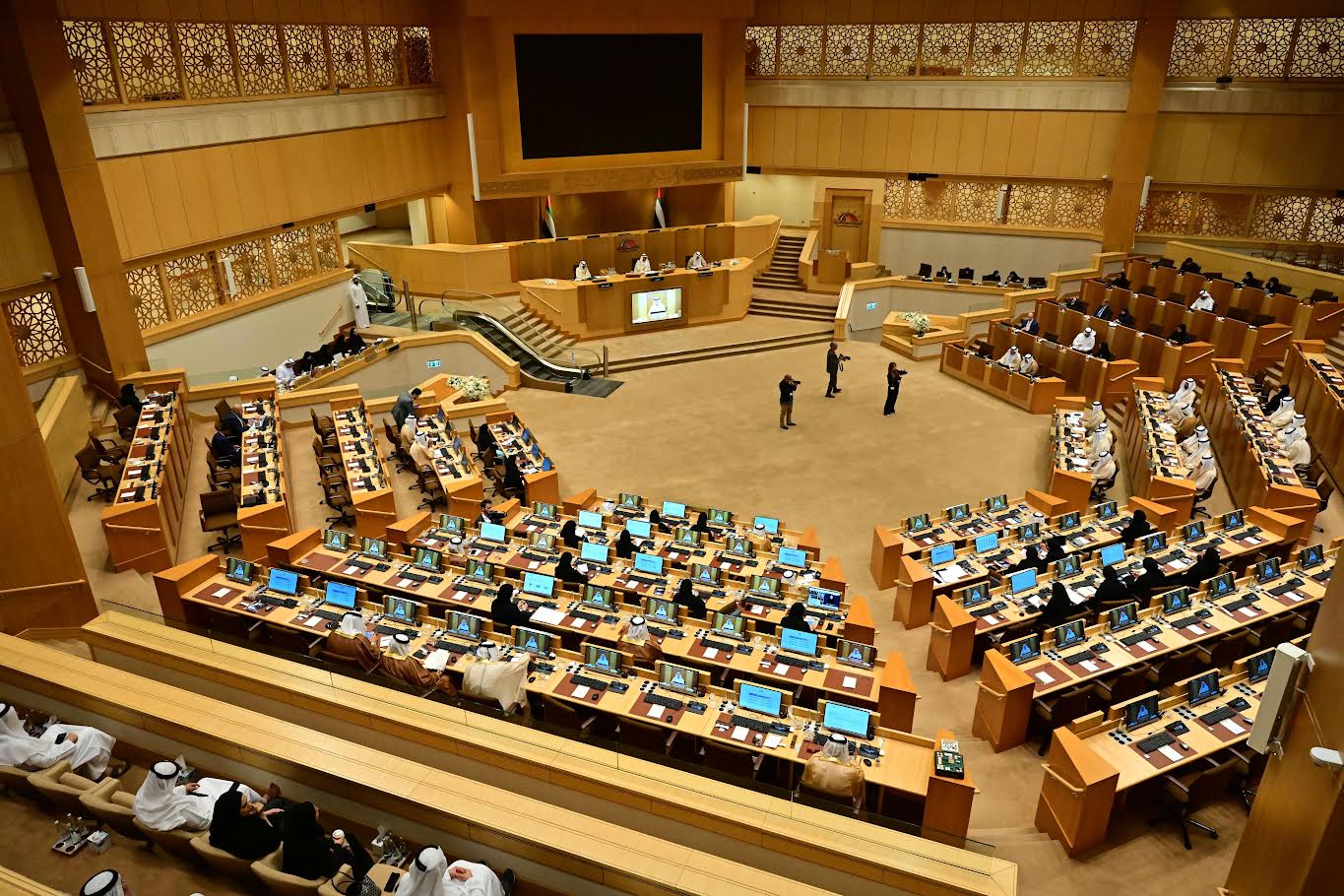
The Federal National Council praised the strength of the national economy after reviewing the UAE unified final account 2025, which covers the fiscal year ended Dec. 31, 2025. According to a report by the Committee on Financial, Economic and Industrial Affairs, the consolidated financial statements show a fiscal surplus of 17.4 billion dirhams and broad indicators of public finances that support continued development plans.
Key financial indicators and what they mean for public finances
The unified final account for 2025 consolidates data from 67 federal entities, offering a comprehensive view of the country’s fiscal position. The report cites liquidity of about 125.9 billion dirhams, net profits of 77.5 billion dirhams and net assets totaling 429 billion dirhams, figures that the committee says reflect efficient financial management across federal bodies.
Furthermore, the accounted surplus of 17.4 billion dirhams provides a buffer for future commitments and reinforces short-term stability. In context, these metrics are being used by lawmakers to assess the sustainability of public finances and guide budgetary allocations for coming years.
Revenue diversification and financial sustainability
One of the report’s focal points is the growing role of own-source revenues and the diversification of income streams. The committee noted that strengthening non-oil revenues and expanding revenue bases reduces reliance on any single source and improves macroeconomic resilience.
Therefore, the emphasis on revenue diversification is presented as a central pillar of financial sustainability and long-term fiscal planning. The report suggests that continued growth in self-generated revenues will enhance the UAE’s ability to fund strategic projects and respond to external shocks.
Spending priorities that support development and readiness
The account identifies targeted spending areas that have contributed to national readiness and quality of life improvements. Officials highlighted investment in health, education, housing, and infrastructure, along with measures to bolster food and water security, as priorities that guided fiscal decisions in 2025.
Additionally, the report applauds government expenditure that strengthened social protection systems and public services. This pattern of spending is framed as part of a strategy to secure high social returns and to align public investments with long-term development objectives.
Health system reforms and strategic programs
Among strategic initiatives noted in the account is the development of a national integrated health insurance framework. The committee described this as a significant step toward ensuring service continuity, cost efficiency and the sustainability of healthcare delivery over time.
Meanwhile, increased allocations for specialized medical services and workforce training are intended to improve system readiness and meet rising demand, according to the committee’s assessment.
Implications for federal entities and governance
Covering 67 federal entities, the unified account provides a granular basis for evaluating fiscal performance across government agencies. The committee recommended continued focus on monitoring, performance measurement and impact assessment to ensure that spending produces the intended developmental outcomes.
Accordingly, lawmakers are encouraged to use the consolidated data to refine oversight, enhance transparency and align entity-level budgets with national strategic priorities. This approach, officials say, supports better governance and more effective use of public resources.
Outlook and next steps
The report underscores a government approach grounded in strategic planning and prudential financial management. It indicates that the positive results for 2025 strengthen the UAE’s capacity to sustain development programs while preserving fiscal buffers for unpredictable global conditions.
Going forward, the Federal National Council is expected to consider the committee’s recommendations as part of the legislative review of the draft federal law to formally adopt the consolidated account. Observers should watch for further guidance on budgetary adjustments, implementation timelines for health insurance reforms and measures to boost revenue diversification.
Conclusion: what to watch next
The UAE unified final account 2025 reinforces the picture of a resilient fiscal stance supported by robust liquidity and asset positions. Readers should monitor the council’s legislative deliberations and subsequent executive actions that will translate the report’s findings into specific budgetary and policy decisions in the coming fiscal cycle.
Ultimately, the consolidated accounts provide a basis for tracking progress on financial sustainability, public finances reform and priority investments that aim to sustain the country’s development trajectory.