








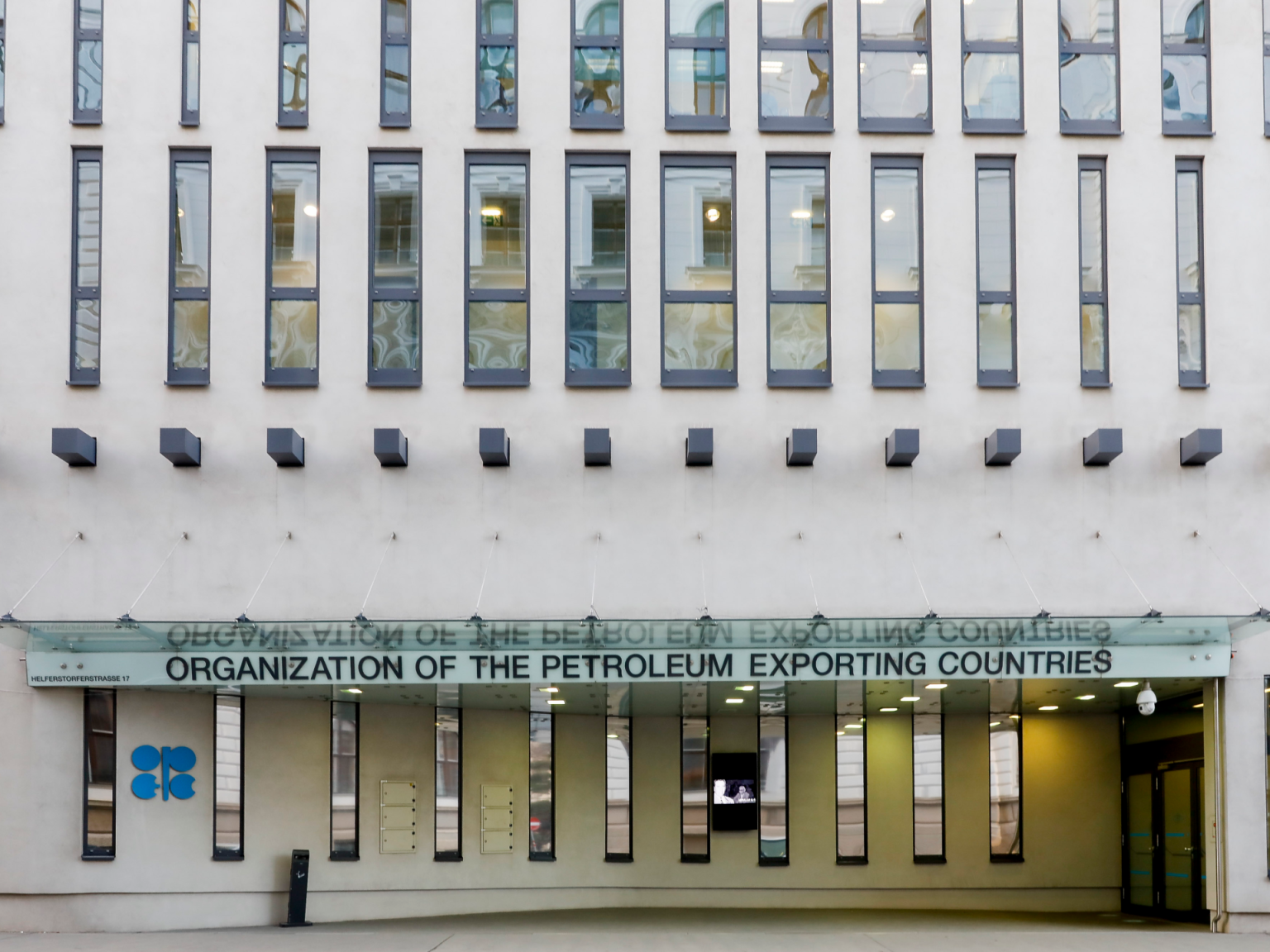

OPEC+ production increase approved as alliance raises July output targets
On July 6, 2026, OPEC+ approved a new OPEC+ production increase, raising collective production targets by roughly 188,000 barrels per day effective in July. The decision marks the fourth straight monthly boost since disruptions tied to closures near the Strait of Hormuz, and comes even as significant parts of global supply remain hindered by regional conflict and shipping interruptions.
The alliance, which includes OPEC members and key partners such as Russia, said members would continue a “cautious and flexible” approach in managing supplies to support market stability. Officials noted the increase mirrors the June adjustment and follows revisions made after the United Arab Emirates announced its exit from the group.
Details of the production adjustment and membership changes
The OPEC+ production increase of about 188,000 barrels per day was adopted in a statement released by the alliance on Sunday. The move is part of a gradual plan to unwind voluntary cuts that were originally set at 1.65 million barrels per day in 2023, according to OPEC data and public statements by member representatives.
Members said the step aims to balance the benefits of elevated prices with the need to preserve market stability. Reuters calculations cited by analysts indicate the July decision effectively returns roughly 567,000 barrels per day to the market from earlier voluntary reductions, taking into account the impending departure of the UAE from coordinated targets next month.
Supply disruptions deepen gap despite target increases
Despite the steady stream of target increases, actual output has fallen sharply in recent months. OPEC data show alliance production declined to about 33.19 million barrels per day in April from roughly 42.77 million barrels per day in February, reflecting lower exports from Gulf producers amid shipping disruptions.
Analysts warn that announced production increases do not translate directly into immediate supply if tanker flows remain constrained. Jorge Leon, an analyst at Rystad Energy and a former OPEC official, said the OPEC+ production increase “does not mean much as long as the Strait of Hormuz remains effectively closed,” underscoring the disconnect between targets and deliverable volumes.
Market implications: prices, inventories and volatility
Benchmark oil prices have eased from peaks reached during the height of regional tensions but remain historically elevated. Brent crude traded near $93 per barrel recently after surging during spikes in geopolitical risk, according to market reports. Market participants say the balance will hinge on whether announced volumes can physically reach consuming markets.
Furthermore, the ongoing supply disruptions have amplified concerns about inventories and prompt demand. Traders and refiners are watching daily shipping reports and insurance costs, which have risen for tankers transiting the Strait of Hormuz. Therefore, the headline OPEC+ production increase may have limited immediate effect on physical tightness until shipping routes stabilize.
Phasing out voluntary cuts and the path ahead
The increase announced on July 6 forms part of a steady rollback of the 1.65 million bpd voluntary cuts that OPEC+ planned in 2023. If the alliance maintains the current monthly increment pace through August and September, the group could complete the unwinding of these voluntary reductions by the end of the third quarter of 2026, officials and analysts say.
That gradual approach appears designed to preserve policy optionality: the alliance can accelerate, pause, or reverse increases depending on developments in the Middle East and on seaborne flows through the Strait of Hormuz. Industry watchers note that restoring normal tanker traffic could rapidly shift the market from shortness to surplus if demand does not absorb the returning barrels.
Analyst perspectives and political context
Market analysts characterize the latest step as partly political and partly technical. Some argue the decision signals producers’ desire to capture higher price levels while retaining the flexibility to defend prices should supplies improve markedly. Meanwhile, official statements emphasize stability and a readiness to respond to “extraordinary circumstances.”
Observers also highlight the significance of the UAE’s exit from the coordinated quota framework. The departure complicates arithmetic around the rollback of cuts, and will likely affect how future increases are allocated among remaining participants. Reuters calculations and industry reporting will remain key references as the market digests the new allocations.
What to watch next
Investors and industry participants should monitor several indicators in the coming weeks. First, shipping and insurance reports for the Strait of Hormuz will indicate whether physical flows are easing. Second, interim production and export data from major Gulf producers will show how much of the announced OPEC+ production increase is being delivered.
Additionally, OPEC+ meetings and official communiqués scheduled for August and September will reveal whether the alliance maintains the current pace of rolling back voluntary cuts. Market participants should also watch global inventory releases and refinery throughput to assess whether returning barrels find immediate demand or add to stockpiles.
Conclusion and near-term outlook
The July OPEC+ production increase reiterates the alliance’s intent to gradually lift output targets while keeping policy levers flexible. For now, the critical constraint remains the accessibility of those barrels to world markets, given persistent supply disruptions near the Strait of Hormuz and regional tensions.
Looking ahead, the next steps will depend on developments in shipping security, actual export volumes reported by producing countries, and monthly decisions by OPEC+ members. Market watchers should expect further calibrated increases if seaborne flows improve, or a potential halt if disruptions persist.