






Dubai drug trafficking investigation exposes international “Drug Emperor” network
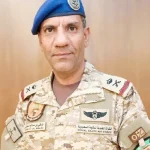
Dubai Police announced the culmination of a long-running Dubai drug trafficking investigation that uncovered an international narcotics network led by a figure described by authorities as the “Drug Emperor.” According to Brigadier Khalid bin Mouiza, director of the General Department for Narcotics Control at Dubai Police, the probe combined five years of intelligence work, foreign cooperation and undercover operations that ended in confession and federal convictions.
Authorities say the suspect managed transactions in “tons” of narcotics at sea and outside the UAE, coordinating deliveries in international waters while avoiding domestic transactions. The case underscores growing sophistication in drug trafficking and the need for sustained counter-narcotics responses, officials said.
Dubai drug trafficking investigation: how the ‘Drug Emperor’ was tracked
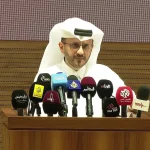
The operation began after Dubai Police mapped patterns that pointed to an organizer outside the country who orchestrated shipments to Africa, the Middle East and other regions. Brig. Khalid bin Mouiza told reporters that investigators did not limit themselves to local surveillance but assembled evidence from multiple jurisdictions and coordinated with international partners.
Investigators compiled a detailed prosecution file running more than 50 pages, officials said. The dossier incorporated testimony from other defendants tied to the network, travel records, intercepted communications and documentation of meetings outside the UAE. Furthermore, a 2016 joint maritime action called “Ocean Coast” with the Australian Navy off Tanzania resulted in the seizure of about one tonne of heroin, which proved critical in linking the suspect to large-scale trafficking.
Operational tactics: undercover informants, international cooperation and digital tracing
Investigators used long-term undercover placement as a decisive method. According to Dubai Police, confidential informants lived in the suspect’s household for years, documenting contacts, logistics and international calls without alerting the network. Meanwhile, Dubai officers made several overseas trips to gather corroborating evidence and to liaise with foreign law enforcement agencies.
International cooperation featured prominently, with Interpol and regional partners assisting in tracking shipments and financial flows associated with the narco network. These steps enabled prosecutors to assemble evidence of meetings, routes and material transfers that occurred outside Emirati territory, allowing domestic courts to secure convictions despite the cross-border nature of the crimes.
Evolving criminal methods and online channels
Brig. Khalid bin Mouiza warned that smugglers and dealers have shifted from street-level handoffs to digital and geographically driven methods. He described a widespread use of geolocation drops in which buyers pay in advance and then receive coordinates via smartphone apps to collect hidden packages from predefined locations.
Such methods complicate traditional enforcement but have not stymied police efforts. Dubai’s cybercrime unit has closed 1,291 websites and accounts used to promote or facilitate drug transactions, and the force says it pursues the account holders for arrest and prosecution. Secondary keywords such as drug trafficking and narco network describe the broader trends authorities are combatting through both technical takedowns and targeted arrests.
Demand-side strategies: addiction treatment and diversion
Dubai Police stressed that addressing demand is as important as breaking supply lines. Officials note a worrying pattern in which some drug users evolve into dealers to fund their use, and in some cases entire families become involved in distribution after initial exposure to drugs.
The law offers pathways to rehabilitation: under existing legislation, individuals who voluntarily seek help may receive treatment in lieu of criminal prosecution, according to the department. Authorities also said they apply the “spirit of the law” when friends or relatives report users, referring these cases for medical intervention rather than immediate punishment. Treatment periods typically last four to six weeks with mandatory follow-up and surprise testing to reduce relapse, officials added.
Legal reforms and a national strategy against drugs
Brig. Khalid bin Mouiza highlighted the launch of a national anti-drug agency chaired by a senior member of the ruling families as evidence of heightened strategic focus. The body is expected to coordinate policy, enhance legislation and expand preventive and enforcement capacities across the UAE. Officials say the agency has already contributed to tougher penalties for crimes such as contaminating food with narcotics and forcing others to use drugs.
Authorities also pointed to renewed use of administrative deportation in certain offenses and promised continued cross-border work to target cartel leaders in source regions. Counter-narcotics officials expect the sector to undergo significant legal and operational shifts in the next five years, with tighter cooperation and updated measures to address digital facilitation of drug sales.
Implications and what to watch next
The “Drug Emperor” conviction illustrates the reach of modern narcotics networks and the layered response required to neutralize them. Observers should expect more integrated maritime and cyber operations, increased information-sharing with foreign partners, and legislative tweaks intended to harden penalties and close legal loopholes, according to statements from Dubai Police.
Over the coming months authorities plan to publicise additional outcomes from related probes and to expand outreach on addiction treatment options. Policymakers and residents alike will be watching how the new national agency implements reforms and whether tougher measures reduce both supply and demand for illicit drugs.