





Arab Reading Challenge Jordan: Fourth-Grader Crowned National Champion
Aya Mahmoud Mansour Al-Tahat was crowned the national winner of the Arab Reading Challenge in its tenth edition during the closing ceremony held in Amman, Jordan. The announcement followed national finals that drew intense competition from students across the Kingdom, according to event organizers and education officials.
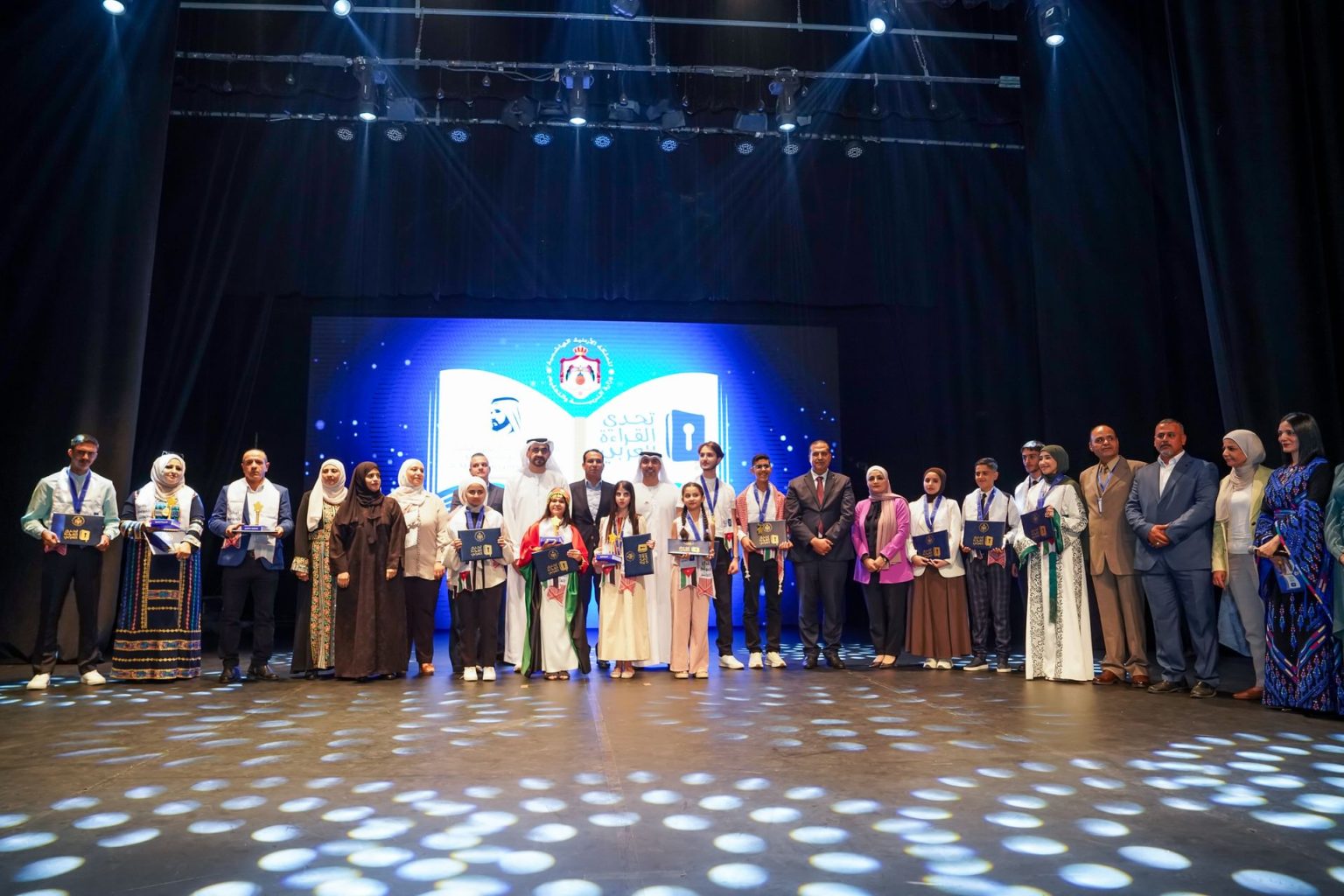
The Arab Reading Challenge Jordan final took place with the presence of UAE acting chargé d’affaires Hamad Abdullah Al Matrooshi, Jordanian education officials, and representatives from Mohammed bin Rashid Al Maktoum Global Initiatives. The winner is a fourth-grade pupil at Al-Khansa Basic Mixed School in Bani Ubeid district.
Nationwide Participation and Final Results
Jordan’s national qualifiers involved 2,127,529 students from 5,890 schools, supervised by 8,111 teachers and coordinators, officials said. Ten students advanced to the national final, representing a broad spread of public, private and distinguished schools, which underscores the scale of the competition inside Jordan.
Alongside the champion, the top ten finalists included students from King Abdullah II Schools for Excellence, scientific and regional schools, and the Monara Al-Amal Academy. The ceremony also honored teachers and institutions: Fakhri Mahmoud Mayyas was named Outstanding Supervisor and Khalidiya Secondary Comprehensive Mixed School in North Badia West received the Distinguished School award.
In the category for students of determination, Inas Mohammed Ahmed Samirat, an eleventh-grader at Sidor Secondary School, won first place after national qualifiers that involved 26,000 participants in that category, organizers reported.
Why the Arab Reading Challenge Matters for Jordan
The Arab Reading Challenge aims to strengthen reading culture and increase Arabic-language literacy among youth, organizers said. Launched in 2015 by Mohammed bin Rashid Al Maktoum and run by the Mohammed bin Rashid Al Maktoum Global Initiatives, the program encourages Arabic reading, comprehension and creative expression.
Education Minister Azmi Mahafzah praised the initiative’s role in cultivating reading habits and critical thinking skills, noting the ministry’s continued support for programs that elevate the Arabic language and enhance Jordan education outcomes. “The large-scale participation reflects progress in student engagement and the education system’s emphasis on reading,” the ministry stated.
Organizers’ Perspective and Global Context
Dr. Fawzan Al-Khaldi, director of programs and initiatives at the Global Initiatives, said the challenge continues to position itself as a leading pan-Arab literacy project that builds a generation of readers and knowledge producers. He noted that Jordan’s robust participation contributed to the tenth edition’s record turnout.
According to the foundation’s published figures, the tenth edition registered a record 40,286,428 students from 60 countries, including 74,062 students of determination. The overall event also reported involvement from 138,426 schools and 161,507 supervisors, marking notable growth compared with previous cycles.
Implications for Schools, Teachers and Reading Culture
Officials and educators say the competition acts as an incentive for schools to integrate structured reading programs and to develop students’ comprehension and expression in Modern Standard Arabic. Additionally, the challenge provides training and resources that help teachers design classroom reading activities and assessment strategies.
Furthermore, the high level of engagement in Jordan signals broader societal interest in reading as a tool for lifelong learning. The program’s emphasis on Arabic-language content contributes to improving students’ written and oral expression, which is viewed as essential for academic success and civic participation.
Next Steps and What to Watch
The Mohammed bin Rashid Al Maktoum Global Initiatives and Jordan’s Ministry of Education plan to sustain momentum by expanding school-level reading programs and preparing students for next year’s cycle, officials said. Schools recognized at the national ceremony are expected to serve as hubs for mentoring and best-practice sharing.
Observers should watch for follow-up initiatives that translate the competition’s gains into year-round reading activities, teacher professional development, and expanded access to Arabic reading materials. The national organizers indicated that preparations for the next edition will begin soon, with an emphasis on broadening participation and supporting students of determination.
Conclusion: Sustaining Reading Gains in Jordan
The Arab Reading Challenge Jordan’s tenth edition highlighted both individual achievement and a national push to embed reading in the education process. The victory by Aya Mahmoud Mansour Al-Tahat and the recognition of outstanding supervisors and schools reflect a collective effort by teachers, families and policymakers to promote reading culture.
Looking ahead, the ministry and partners will focus on converting competition success into lasting curricular and extracurricular reading opportunities. Stakeholders say the next benchmarks will include expanded school-level programs, monitoring reading outcomes, and ensuring equitable access to Arabic-language resources across Jordan.