




May 2008 Lebanon clashes: trigger and immediate timeline
In April and May 2008, Lebanon edged toward renewed civil conflict after the government ordered the cut of Hezbollah’s wired communications, sparking the May 2008 Lebanon clashes. The move, pushed by Druze leader Walid Jumblatt and Sunni leader Saad Hariri, touched off a week of street fighting in Beirut and mounting fears of a wider sectarian confrontation.
According to Jumblatt’s later account in a televised interview with presenter Ahmad Mansour, the dispute escalated quickly following a May 3, 2008 press conference in his ancestral home where he displayed maps of Hezbollah’s communications network and set out a list of demands that the cabinet initially approved.
Political players and the Hezbollah communications network
Key figures in the crisis included Walid Jumblatt, Saad Hariri, then-Prime Minister Fouad Siniora and Hezbollah leader Hassan Nasrallah. Jumblatt and Hariri argued that Hezbollah’s wired communications were a security threat because they supported military and non-military deployments across Lebanon, according to his recounting of events.
Hezbollah regarded the wired system as a core element of its operational capacity. Nasrallah called the cabinet decision a provocation, and his organization described the potential dismissal of airport security chief Wafiq Shuqair — one of the cabinet demands — as crossing a red line. Tensions culminated on May 7 when Hezbollah fighters seized parts of West Beirut and clashed with opposition and allied forces.
How the decision unfolded and why it mattered
The cabinet’s acceptance of Jumblatt and Hariri’s demands was followed by an immediate security backlash. Jumblatt later acknowledged that cutting the wired communications amounted to an existential threat to Hezbollah’s structure as an armed group and that the decision provoked a predictable and forceful response.
Strategic analysts say communications infrastructure is often viewed as both tactical lifeline and symbolic core for armed organizations. In this case, the dispute was not only about a single airport lounge or a security official; it reflected deeper battles over sovereignty, foreign influence, and the role of armed groups within the state, according to regional analysts and contemporaneous reports.
Qatar mediation and how the crisis de-escalated
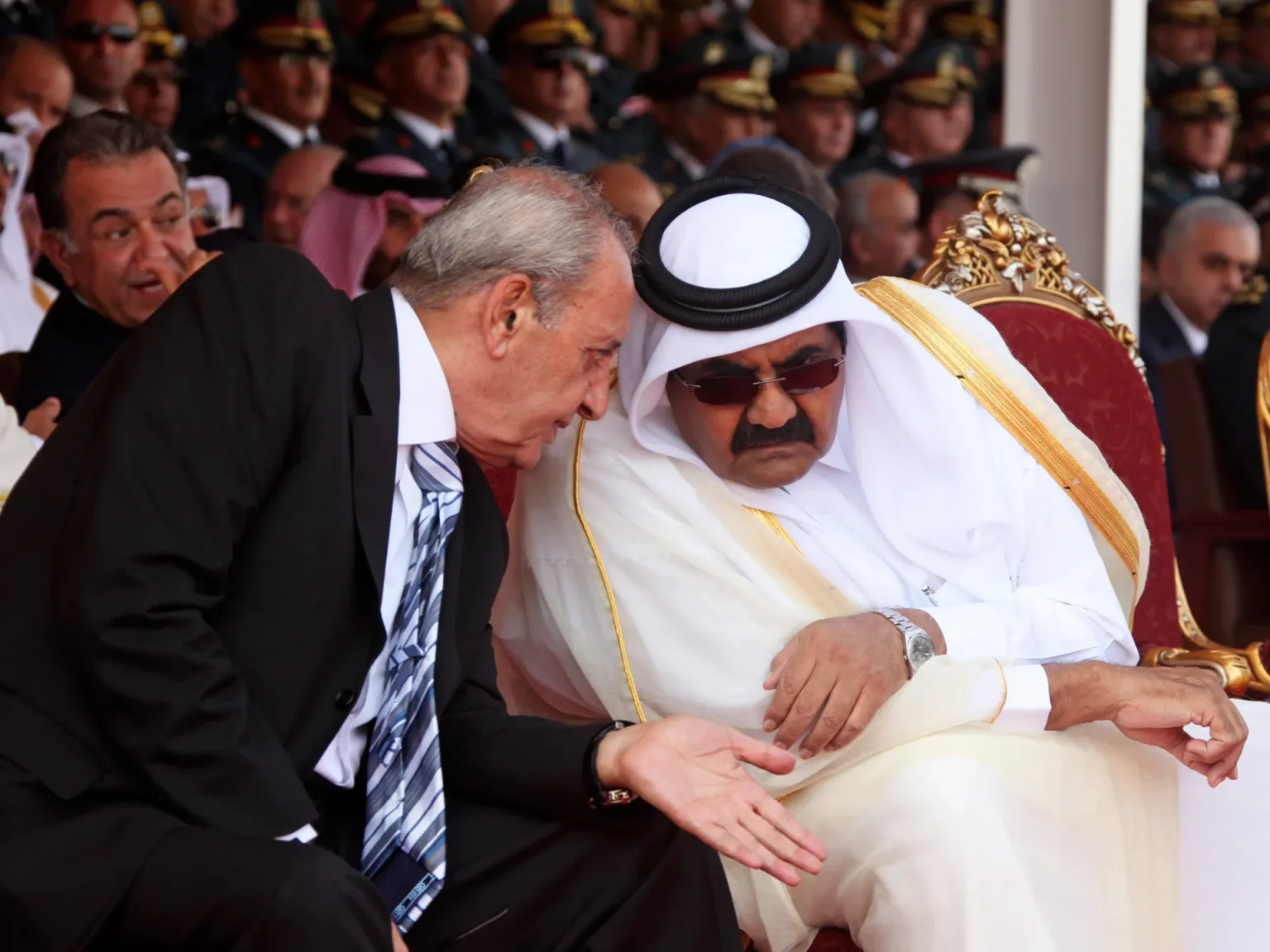
After several days of fighting that left neighborhoods under siege and supply lines strained, diplomatic intervention from Qatar helped avert a broader war. A Qatari-led delegation headed by Sheikh Hamad bin Jassim Al Thani and Arab League Secretary-General Amr Moussa engaged Lebanese factions, according to official accounts and participants’ recollections.
Jumblatt said he and Hariri agreed to roll back the cabinet decisions once they grasped the likely consequences for national security. Doha’s mediation, followed by direct contacts involving Qatar’s emir, reportedly included outreach to Syrian and Iranian interlocutors to secure de-escalation, and this diplomatic pressure led to an official retreat from the most contentious measures.
Consequences for Lebanese politics and security
The May 2008 Lebanon clashes exposed fragile state institutions and the limits of consensus politics in Beirut. In the aftermath, many observers warned that the episode reinforced the idea that military strength, not institutional authority, often determines outcomes in Lebanon’s polarized system.
Jumblatt has since said the experience underscored the need for political accommodation and that his willingness to negotiate was driven by concern for Druze communities. The crisis also heightened international focus on the contested roles of Hezbollah, Syrian influence, and Iran’s regional reach in Lebanese affairs.
What this means now: legacy and what to watch next
Seventeen years on, the events of May 2008 serve as a reference point for current tensions over armed groups and state sovereignty in Lebanon. Policymakers and analysts continue to cite the episode when debating how to manage non-state military actors and protect fragile national institutions.
Observers should watch any proposals affecting communications, security appointments, or airport operations for signs of renewed friction. Furthermore, diplomatic backchannels—especially involving Qatar, Syria, and Iran—remain potential mechanisms for crisis management in Lebanon, according to regional diplomatic patterns.
Forward-looking conclusion
The May 2008 Lebanon clashes demonstrated how tactical decisions about infrastructure and personnel can trigger national crises. Moving forward, Lebanese political leaders face the task of strengthening institutions while limiting unilateral actions that could provoke armed responses. Analysts say the next significant flashpoint could arise from disputes over security sector control or foreign alignments, and diplomatic engagement will likely remain the first line of crisis containment.