






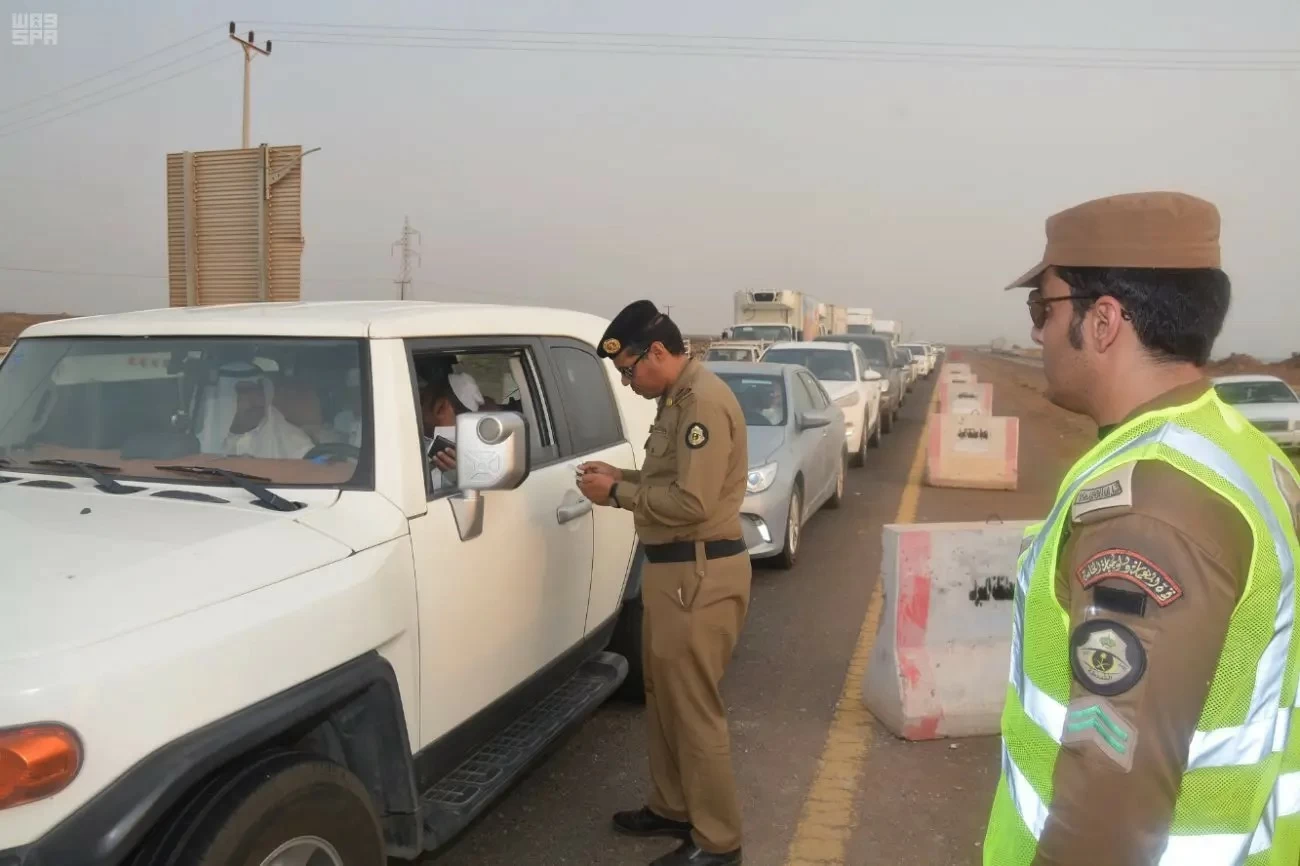

Saudi Arabia immigration crackdown yields 15,430 arrests in early July
Saudi Arabia immigration crackdown operations between July 2 and July 8, 2026, resulted in the arrest of 15,430 violators, the Interior Ministry said. The coordinated field campaigns targeted residency, labor and border security infractions across the kingdom and recorded the largest share of arrests for residency violations. Officials released the breakdown and next steps as enforcement continued.
Enforcement results and detention figures
The joint campaigns detained 7,913 individuals for residency violations, 4,037 for border security breaches and 3,480 for labor law violations, according to the ministry statement. Authorities also intercepted 1,542 people trying to cross into Saudi Arabia irregularly; 46 percent were Yemeni nationals, 53 percent Ethiopian, and the remaining 1 percent came from other nationalities. Meanwhile, 30 people were stopped attempting to leave the kingdom unlawfully.
In addition to those arrested during operations, the ministry reported that 29,286 expatriates are currently subject to enforcement procedures under residency and labor laws. Of those, 27,127 are men and 2,159 are women. The campaigns also identified 27 individuals implicated in transporting, sheltering or hiring unauthorized persons and facilitating concealment.
Processing, repatriation and administrative actions
Authorities have referred 17,353 violators to their diplomatic missions to obtain travel documents, while 5,438 others have been directed to complete travel bookings. The ministry indicated that 11,800 migrants are slated for deportation as part of the enforcement cycle. These administrative steps follow standard procedures to regularize or remove individuals who do not meet entry or employment requirements.
Legal penalties and deterrence measures
Interior Ministry officials reiterated the penalties for anyone who assists irregular border entrants or provides shelter or services to violators. The ministry warned that facilitators face up to 15 years in prison, fines up to 1 million Saudi riyals, seizure of vehicles and housing used for concealment, and public disclosure of their identities. The ministry described such acts as serious crimes that justify detention and carry reputational and criminal consequences.
Criminal classification and enforcement policy
Officials noted that offenses related to aiding irregular entry or hiding violators are classified as major crimes warranting arrest. Therefore, law enforcement said investigations will continue to identify networks involved in transporting and employing unauthorized workers. Meanwhile, authorities emphasized cooperation with diplomatic missions to process travel documents and coordinate returns.
Context: border security and labor enforcement
The campaigns reflect broader priorities in border security and labor regulation, officials said, as Saudi Arabia continues to manage migration flows and ensure compliance with residency and employment laws. The operations also aim to curtail smuggling networks and discourage informal labor arrangements that may exploit workers or undermine legal employers.
Relatedly, enforcement actions are being described as part of routine, multi-agency efforts that combine border patrols, labor inspections and residency checks. Secondary keywords such as illegal workers and residency and labor violations appeared in ministry briefings as authorities outlined the scope and targets of the campaigns.
Implications for migrants, employers and the public
The ministry’s announcement signals increased scrutiny for employers and the general public involved in housing or transporting foreign nationals. Employers who hire undocumented workers or individuals who harbor or transfer unauthorized entrants face both administrative sanctions and potential criminal prosecution. Therefore, businesses and residents are advised to verify residency and work permits to avoid liability.
Humanitarian agencies and rights groups may monitor deportation numbers and detention conditions as the government proceeds with removals. However, ministry statements indicate a continued focus on enforcement and deterrence to preserve border integrity and labor market regulations.
What to watch next
Authorities said follow-up campaigns and enforcement cycles will continue, and the public should expect further reporting from the Interior Ministry on operations and repatriation schedules. Observers should watch for updates on prosecutions of alleged facilitators and the pace of deportations coordinated with diplomatic missions. Additionally, any changes in policy or enforcement priorities are likely to be announced through official channels.
For employers and migrants, the immediate next step is compliance: ensure valid residency and work documentation, coordinate with embassies as needed, and follow official guidance. Meanwhile, authorities will continue investigations to dismantle networks that enable irregular crossings and illegal employment.
Conclusion and outlook
The recent Saudi Arabia immigration crackdown produced thousands of arrests and a series of administrative and criminal actions aimed at curbing irregular migration and labor violations. According to the Interior Ministry, enforcement will persist and those involved in facilitating illegal entry or concealment will face stringent penalties. Readers should monitor ministry releases for schedules on deportations, prosecutions of facilitators and further enforcement results in the coming weeks.