






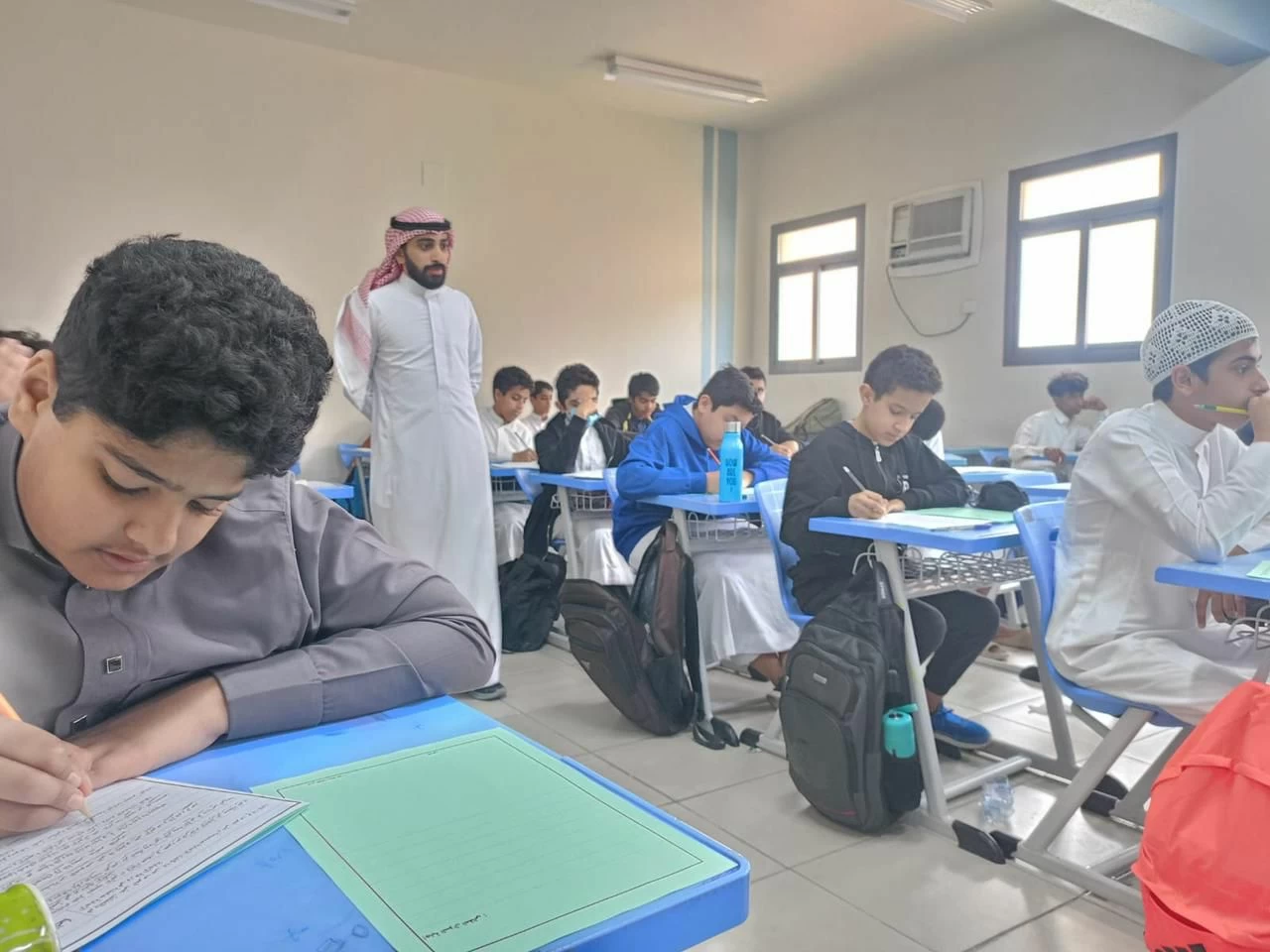

Workforce planning guide issued by Ministry of Education
The Ministry of Education in Saudi Arabia has begun implementing three models for workforce planning across education directorates in regions and provinces, the ministry stated. The new guide on workforce planning outlines a standardized methodology for estimating staffing needs and preparing action plans to align workforce size with strategic objectives.
The guide targets public education units and sets a three-year projection horizon for full-time employee requirements, according to officials. Meanwhile, the ministry said the approach aims to bring uniformity to how directorates calculate gaps and design recruitment, development and redistribution initiatives.
How the workforce planning methodology works
The guide positions a unified strategic workforce planning methodology as the basis for government-sector staffing estimates, the ministry noted. Furthermore, the methodology integrates internal and external data, current workforce size and strategic initiatives to determine the workforce needed to meet organizational goals.
According to the guide, planners will use a combination of data inputs, trend analysis and workload drivers to arrive at target staffing levels. In addition, the guide emphasizes documenting core tasks for each unique role and distributing workload across job levels to produce precise role-based estimates.
Three workforce models explained
The manual details three primary models to structure local workforce plans: a top-down analysis, a bottom-up analysis and an integrated approach that reconciles both results. Officials explained that each model serves different planning needs and can be applied at various organizational levels.
Top-down analysis begins with strategic targets and draws down to unit-level staffing needs by linking initiatives and goals to required roles. Conversely, bottom-up analysis builds from current tasks and workload metrics to estimate the staff needed to sustain operations and support planned activities.
The integrated model combines outputs from top-down and bottom-up exercises and resolves differences through iterative reporting and adjustments. Therefore, units can produce a reconciled estimate of full-time staff required for the next three years and identify the most appropriate unit-level sizes.
Data, workload drivers and reporting requirements
The guide calls for detailed mapping of tasks, workload drivers and reporting routines to ensure estimates reflect reality. Furthermore, it asks directorates to capture internal data (such as current headcount and role descriptions) and external factors (such as demographic and policy trends) when modelling needs.
Planners must document workload assumptions and the drivers behind them to enable transparent comparisons across units, the guide indicates. Meanwhile, the methodology prescribes processing and presenting both downward and upward analysis results so decision makers can see how strategic priorities translate into staffing requirements.
Action planning and gap assessment
Each unit must calculate the change in full-time employees to estimate the gap between current and target workforce levels for the coming years. Then, units will prepare a carefully organized action plan that aligns initiatives—such as recruitment, internal redeployment, training and automation—to reach the correct staffing numbers.
The plan should include prioritized initiatives, timelines and responsible parties, the ministry said. In addition, units are expected to identify short-term adjustments and medium-term structural changes, thereby balancing immediate operational continuity with longer-term strategic alignment.
Monitoring and governance
Governance mechanisms and monitoring cycles are central to the guide, which recommends regular reporting to ministry-level oversight bodies. Furthermore, the ministry suggested that standardized templates and consolidated dashboards will be used to compare results and track progress against targets.
These controls aim to improve accountability and enable timely interventions when gaps widen or strategic shifts occur. Therefore, directorates will need to maintain updated data and review assumptions periodically to keep projections reliable.
Implications for human resources and educational outcomes
The workforce models are intended to give human resources teams a clearer basis for staffing decisions and budget planning. Moreover, by aligning staffing with strategic initiatives, the ministry hopes to strengthen the capacity of education directorates to meet policy goals and service expectations.
Officials cautioned that successful implementation will depend on data quality, local capacity to run analyses and the ability to coordinate across units. Therefore, complementary investments in HR analytics, training and change management will likely be necessary to achieve the guide’s aims.
Next steps and what to watch
The ministry indicated that rollout will include guidance materials, training for local HR teams and a phased submission schedule for workforce plans. Observers should watch for the publication of standardized templates, pilot reports from selected directorates and the first consolidated ministry-level summary of projected gaps.
In conclusion, the new workforce planning guide establishes a structured, data-driven approach for estimating staffing needs across education units. Stakeholders should expect phased implementation and periodic updates as directorates apply the three workforce models and submit action plans for review.