




Nuclear Science Olympiad in Saudi Arabia
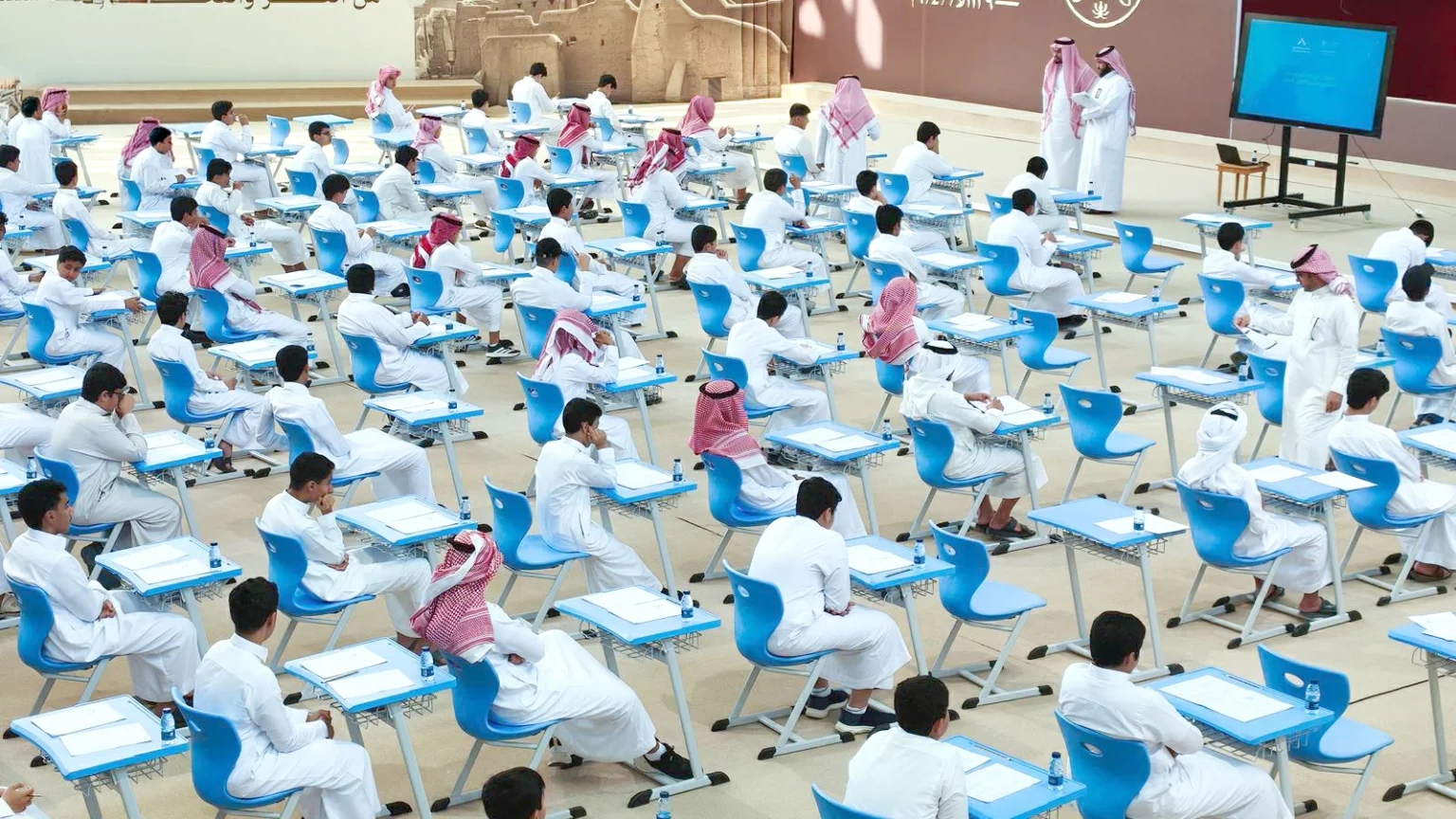
Saudi Arabia is hosting the Nuclear Science Olympiad in Saudi Arabia, an international academic competition bringing together students and early-career researchers from 19 countries. The event opened this week in Riyadh and aims to test theoretical knowledge, practical skills and safety awareness in nuclear science and engineering. Organizers said the competition includes workshops, laboratory challenges and policy simulations.
Officials confirmed participating delegations represent 19 nations across Asia, Africa, Europe and the Middle East. The event is organized in cooperation with national scientific institutions and international partners. Meanwhile, the schedule features multiple rounds of assessment, educational seminars and public outreach activities designed to broaden understanding of peaceful nuclear applications.
Event format and program highlights
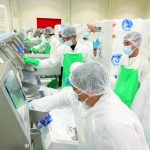
The Nuclear Science Olympiad in Saudi Arabia follows a multi-day format combining written exams, practical laboratory tasks and team-based problem solving. Participants engage in exercises on radiation detection, reactor physics fundamentals, nuclear materials, and radiation protection. In addition, the program includes sessions on ethics, non-proliferation and regulatory frameworks.
Furthermore, organizers have scheduled workshops led by university faculty and industry experts to connect theory with real-world applications. These sessions aim to strengthen participants’ hands-on competencies and to promote standards of safety and quality in nuclear research and technology. The competition also features a final presentation round where teams present technical solutions to simulated challenges.
International participation and collaboration
Delegations from 19 countries are competing, reflecting growing regional interest in nuclear science education. According to event materials, teams include high school and university-level competitors as well as mentors from national laboratories. Therefore, the gathering serves both as a contest and as a platform for networking among educators, regulators and scientific institutions.
In contrast to single-nation contests, this international science competition emphasizes cross-border collaboration and knowledge exchange. Participants share training methods and curricular approaches, and organizers said observers from several academic and policy institutions are attending to explore partnership opportunities. Additionally, the event supports capacity building by offering follow-up training and online resources to participants.
Educational goals and impact on nuclear science education
One of the stated aims is to enhance nuclear science education through experiential learning, mentorship and curricular innovation. The competition seeks to inspire students to pursue careers in nuclear engineering, medical physics, radiation protection and related fields. Furthermore, educators hope the event will catalyze stronger university programs and vocational training across participating countries.
Officials noted that promoting high standards in laboratory practice and safety is a core objective. The emphasis on practical tasks and safety scenarios is intended to produce graduates who understand both the technical and ethical dimensions of working with nuclear technologies. Therefore, the Olympiad can contribute to a more informed workforce and to safer research environments in the long term.
Regulatory oversight and safety measures
Organizers said the competition adheres to national regulatory requirements and international best practices for handling radioactive materials and radiation sources. Laboratories hosting experiments are reportedly accredited and supervised, and all practical exercises are designed to use low-activity or simulated sources where appropriate. The event includes briefings on regulatory compliance and emergency response protocols.
Meanwhile, international observers and technical advisors are expected to review safety procedures and provide recommendations. This oversight aims to reassure participants and host communities that activities meet accepted safety and security norms. Additionally, training sessions for mentors and technicians emphasize monitoring, recordkeeping and responsible material stewardship.
Science diplomacy and research partnerships
The Nuclear Science Olympiad in Saudi Arabia serves as an instrument of science diplomacy by creating opportunities for cooperative research and educational exchange. Stakeholders said the event opens channels for joint projects, student exchanges, and collaborative laboratory development. Therefore, it can strengthen ties between institutions while advancing shared scientific goals.
In addition, the Olympiad draws attention to the role of nuclear science in medicine, energy research and industry. Participants and observers may identify avenues for joint research on nuclear medicine diagnostics, isotope production, and radiation safety technologies. The event also provides a forum for discussing international standards and capacity-building frameworks.
Secondary initiatives and outreach
Alongside the competition, organizers have planned public lectures, school visits and exhibitions to raise community awareness about peaceful nuclear applications. These outreach activities aim to demystify nuclear science and to highlight career pathways for young people. Furthermore, digital resources and recorded sessions are expected to be made available to extend the event’s educational reach.
What to watch next
Results and awards from the Nuclear Science Olympiad in Saudi Arabia are expected to be announced at the closing ceremony later this week, and organizers said follow-up reports will assess educational outcomes and participant feedback. Observers will watch for announcements about future editions, partnership agreements, and any new training programs that emerge from the event.
Looking ahead, policymakers and educators are likely to monitor whether the competition leads to sustained curriculum changes, increased research collaborations, or new scholarship opportunities. Therefore, stakeholders should watch for published recommendations and any plans to expand the initiative regionally in the coming year.