


Prophet’s Mosque study circles embody leadership’s care
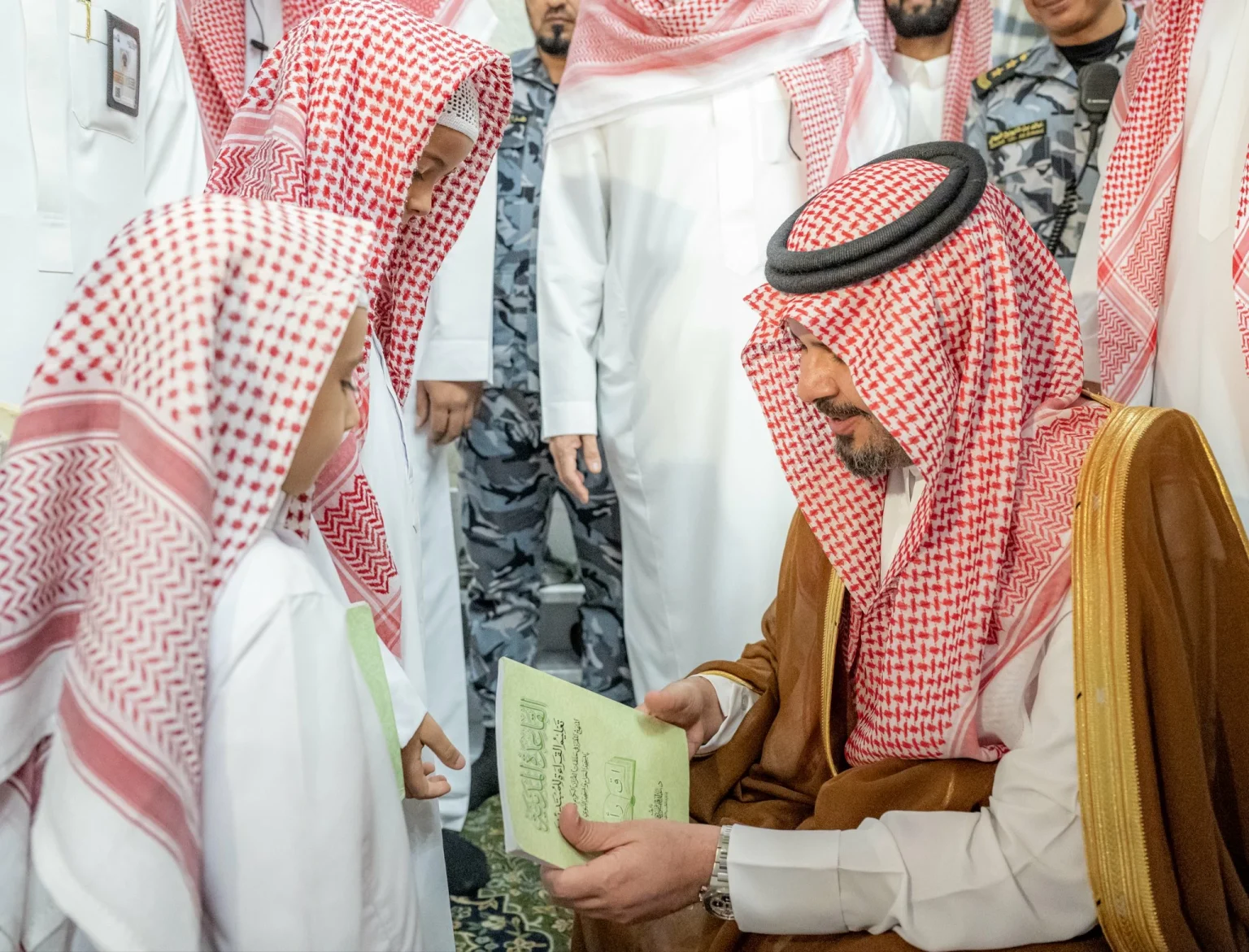
The Prophet’s Mosque study circles were highlighted by the Governor of Medina in remarks reported 11 hours ago, underscoring their role in religious instruction and community engagement. These study circles bring together residents, visitors, and scholars within the precincts of the Prophet’s Mosque to study the Quran and Sunnah. Officials said the gatherings demonstrate ongoing official support for Islamic education and spiritual life in the holy city.
Who announced the initiative and where it takes place
The Governor of Medina issued comments during a routine inspection of religious programs at the Prophet’s Mosque, according to a statement from the governor’s office. The announcement, reported 11 hours ago, focused on educational sessions held in the mosque’s courtyards and designated learning spaces. Meanwhile, the Ministry of Islamic Affairs has been cited as coordinating logistics and scheduling to accommodate pilgrims and local participants.
How the Prophet’s Mosque study circles operate
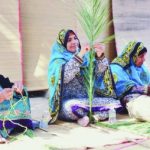
The study circles are organized as short, focused sessions led by qualified teachers and scholars. Participants engage in recitation, interpretive study, and discussions centered on the Quran and Sunnah, officials said. Furthermore, gatherings are scheduled throughout the day to serve both regular attendees and those visiting for prayer or pilgrimage, allowing flexibility for diverse participants.
Program structure and teaching methods
Sessions typically open with recitation followed by explanation and question-and-answer segments. Instructors use classical texts alongside accessible commentaries to reach different age groups and educational backgrounds. Therefore, the approach aims to balance traditional scholarship with contemporary pedagogical techniques, according to organizers and religious educators involved in the programs.
Government support for Quran and Sunnah education
Authorities have framed the Prophet’s Mosque study circles as part of a wider effort to promote the Quran and Sunnah across the region. The governor’s remarks, cited in official communications, emphasize that such gatherings reflect the leadership’s commitment to religious life and moral education. Additionally, the Ministry of Islamic Affairs and related institutions provide administrative and logistical support to ensure sessions run smoothly.
Funding, venue management, and teacher accreditation are coordinated to maintain consistent quality, officials said. The goal, they added, is to maintain an environment conducive to study while respecting the mosque’s role as a central sanctuary for worship. In contrast to ad hoc meetings, these study circles are planned with oversight to manage crowding and schedule conflicts during peak visitation periods.
Local and regional implications of the study circles
The emphasis on Prophet’s Mosque study circles has implications beyond immediate educational outcomes. For residents of Medina and visiting pilgrims, the sessions offer sustained access to structured Islamic learning. Furthermore, the program enhances the mosque’s function as both a site of worship and a center for religious scholarship, officials said.
Observers note the symbolic value of the gatherings in signaling continuity of religious practice and state support. Meanwhile, religious educators suggest the study circles can contribute to improved religious literacy and community cohesion. The combination of official endorsement and grassroots participation may also influence similar programs in other holy sites and mosques.
Challenges and considerations for program expansion
Expanding study circles poses operational challenges that require careful planning. Crowd management, teacher training, and coordination with prayer schedules are among the practical issues cited by administrators. Therefore, the governor’s office and the Ministry of Islamic Affairs have stressed the need for clear guidelines and monitoring to preserve the mosque’s sanctity and ensure safety.
Additionally, inclusivity and accessibility remain priorities. Organizers are exploring ways to accommodate non-Arabic speakers and young people, including supplemental resources and translated materials. However, officials and educators indicate that any such steps must align with established religious frameworks and oversight mechanisms.
Reactions from religious scholars and the public
Religious scholars praised the study circles for reinforcing core teachings of the Quran and Sunnah, while some community leaders called for expanded outreach to underserved neighborhoods. Meanwhile, participants described the sessions as informative and spiritually beneficial. The mixed feedback highlights both popular support and practical needs for sustained organizational investment.
Academic observers suggest monitoring the long-term educational impact of the study circles to assess outcomes such as enhanced religious literacy and community engagement. Therefore, researchers and policymakers may look to comparative studies of mosque-based education to guide future planning.
What to watch next
Officials have indicated that further announcements about scheduling and program details will be issued in the coming weeks. Observers should watch for updates from the Governor of Medina’s office and the Ministry of Islamic Affairs regarding teacher accreditation, translated materials, and any expansion plans. Furthermore, monitoring how the programs adapt during high visitation periods will offer insight into their sustainability.
In conclusion, the Prophet’s Mosque study circles represent a visible expression of leadership support for Quran and Sunnah education in Medina. As authorities fine-tune logistics and outreach, stakeholders will be watching for steps that balance tradition, accessibility, and operational effectiveness.