





Potential U.S.-Iran Diplomatic Meeting on Horizon
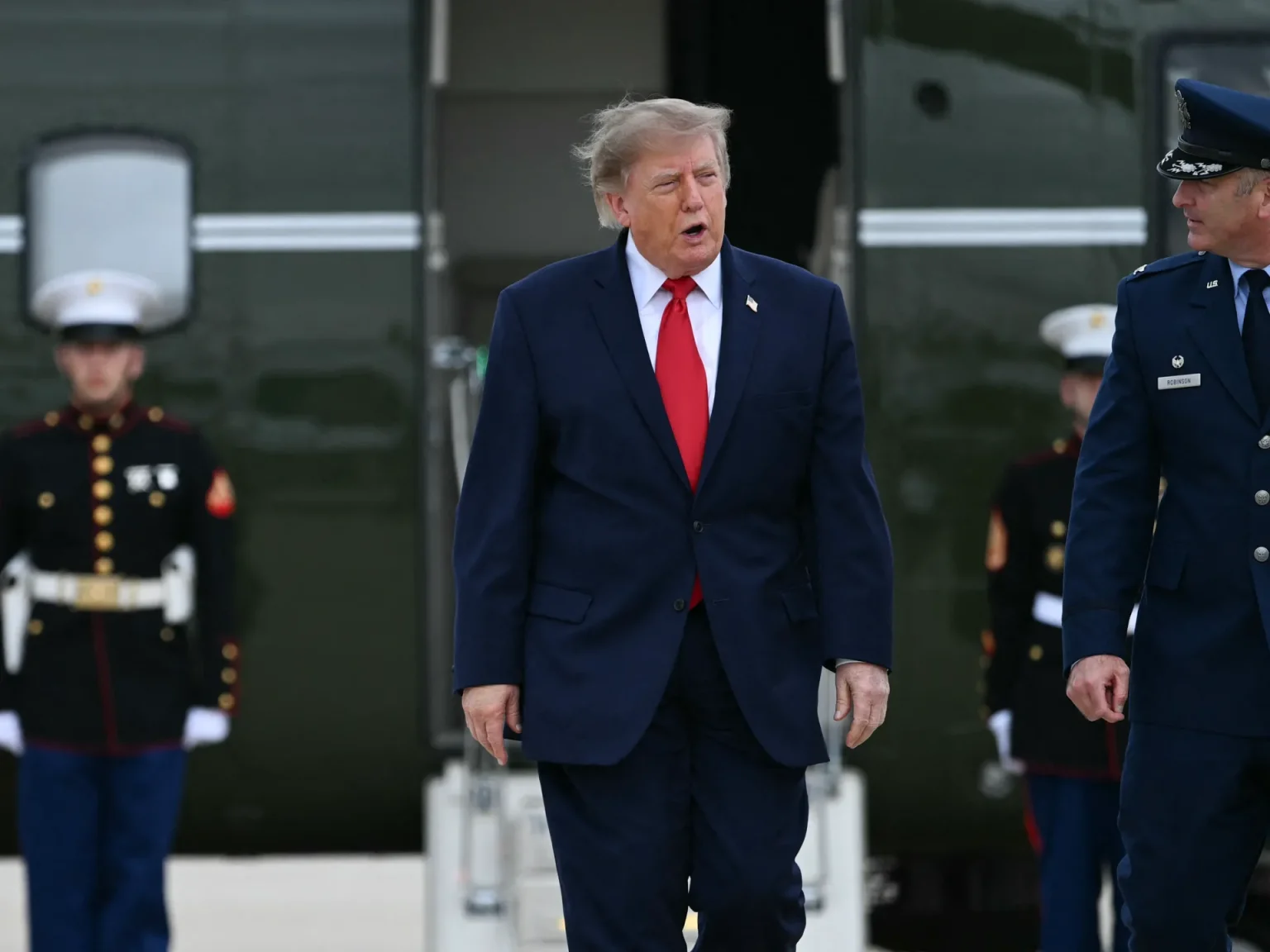
U.S. Ambassador to the United Nations, Mike Waltz, revealed that President Donald Trump is open to a meeting with Iranian President Masoud Bezhakian, who is scheduled to arrive in New York today for the United Nations General Assembly. This development comes amidst ongoing international efforts to resume negotiations between the two countries and restore maritime navigation in the Strait of Hormuz.
Waltz stated in an interview with CNN that President Trump is “always open” to diplomacy and negotiation with Iran. However, he emphasized that the key question is whether Tehran is willing to engage directly with U.S. officials. The uncertainty surrounding who speaks on behalf of Iran’s leadership remains a significant barrier to dialogue.
Iran’s Proposal on the Strait of Hormuz
According to a report from Kyodo News, an Iranian official indicated that Tehran is willing to reopen the Strait of Hormuz within seven days if Washington takes steps to alleviate military pressure. This proposal has reportedly received approval from Iran’s Supreme Leader, Mojtaba Khamenei, and the National Security Council. While the Iranian official suggested that a meeting between the two presidents is unlikely, they maintain that progress towards an agreement remains possible.
As President Trump prepares to address the assembly and hold talks with at least eleven world leaders, the focus remains on the implications of the ongoing conflict involving the U.S. and Israel against Iran. This war has strained global fuel prices and presented challenges for Republican candidates in the upcoming congressional midterm elections.
The Role of the Iranian Delegation in New York
President Bezhakian’s arrival in New York marks the highest-level visit by an Iranian official to the U.S. since the onset of military conflicts in the region due to American and Israeli airstrikes against Iran in February. He is expected to deliver a speech at the U.N. General Assembly on Wednesday, where he will argue Iran’s position in light of the military tensions with Washington and the crisis over the Strait of Hormuz, a vital artery for global energy shipments.
Before departing Iran, Bezhakian expressed confidence, stating they emerged from the conflict with their heads held high and are determined to defend their stances in international arenas. He referred to Western efforts to exploit internal divisions in Iran as a failure and insisted that military oppression cannot subdue nations.
International Mediation Efforts
The reopening of the strategically significant Strait of Hormuz continues to be a point of contention between Tehran and Washington. Since the beginning of the war involving the U.S. and Israel, Iran has largely restricted access to the Strait, which previously accounted for a fifth of global oil and liquefied natural gas exports. Meanwhile, the U.S. is imposing sanctions on Iranian ports and intensifying economic pressures to constrain Tehran financially.
Several countries, including Qatar and Pakistan, are reportedly seeking to mediate between Iran and the U.S. during the New York meetings, aiming to spark negotiations that could lead to a formal end to the conflict. Iranian Foreign Minister Abbas Araqchi reached Doha prior to arriving in New York, where Iran conveyed, through Qatar, its terms for reopening the Strait.
Upcoming Discussions and Global Implications
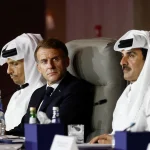
In New York, a spokesperson for the Qatari Foreign Ministry stated that Qatar aims to facilitate an agreement between Washington and Tehran, even if temporary, to pave the way for future negotiations. Additionally, French President Emmanuel Macron revealed that he and President Trump had agreed to take measures to stabilize markets by protecting infrastructure throughout the Middle East. Sources indicate that France is working on a new U.N. Security Council resolution aimed at ensuring freedom of navigation in the Strait.
With the backdrop of heightened tensions and complex geopolitical dynamics, observers should closely monitor the discussions from the U.N. General Assembly and any developments that could lead to a potential agreement or de-escalation of hostilities in the region. The upcoming days are crucial as world leaders engage in dialogue that could redefine U.S.-Iran relations.