





Raising Awareness About Safe and Responsible Use of Artificial Intelligence Applications
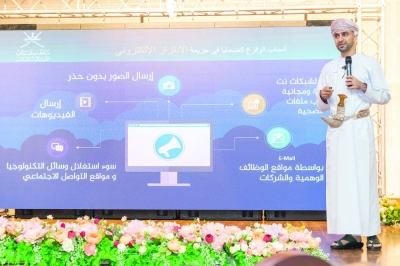
Today marks the beginning of the second training workshop on enhancing media and information literacy concepts in Shaleem and Hallaniyat Islands, Dhofar Governorate. Organized under the slogan “Empowering Minds in the Age of Artificial Intelligence” by the Ministry of Education, this event aims to promote awareness about safe and responsible use of artificial intelligence applications. The initiative is in collaboration with Oman’s National Committee for Education, Culture, and Science, Oman Oil Company, and other national stakeholders.
Running over two days, the workshop targets teachers, students, and representatives from various government and private institutions, alongside civil society organizations across Dhofar. This effort is part of a broader initiative by Oman’s National Committee for Education, Culture, and Science, coinciding with the Media and Information Literacy Week organized by UNESCO.
Objectives of the Training Workshop
This training workshop is a continuation of the initiative that began in March in Bahla, aiming to develop critical thinking and information verification skills. Additionally, it seeks to raise awareness regarding ethical and responsible usage of artificial intelligence applications. Key goals include fostering digital legal culture, educating participants about rights and responsibilities within the digital space, and empowering individuals to use and share information responsibly.
The opening ceremony included four thematic papers discussing media literacy, information security, and artificial intelligence. The first paper, presented by Ayoub bin Suwailem Al Amri, addressed international trends in media and information literacy in the AI age. The second focused on information technology crimes in Oman, presented by Akram bin Salim Al Mahrouqi from the Public Prosecution. The third paper examined security media and combating digital rumors, emphasizing the necessity of media awareness in managing information in the digital environment.
Key Discussions and Workshops
The first day encompassed a working session presented by specialists from the Ministry of Information, Ministry of Awqaf and Religious Affairs, and the Ministry of Education, highlighting media and information literacy amid rapid advancements in AI technologies. Discussions featured the importance of ethical values in community discourse and the economic dimension of digital awareness, especially concerning AI applications in education.
On the second day, over 150 students from various schools across Dhofar Governorate will participate in interactive training programs designed to enhance their skills in information verification, critical thinking, and responsible use of digital technologies, including artificial intelligence applications. This engagement aims to solidify practical understanding among the younger generation, preparing them for a digital future.
Significance of Media and Information Literacy
The significance of media and information literacy, particularly in the context of artificial intelligence, cannot be overstated. As technology evolves, individuals must develop the necessary skills to navigate the complexities of the digital age. Greater awareness fosters a culture of responsibility, enabling users to critically assess information before sharing and utilizing various AI applications. In turn, this contributes to a more informed society better equipped to handle the challenges posed by technological advancements.
With increasing reliance on digital platforms, authorities and educational institutions emphasize the urgent need to cultivate knowledge surrounding digital rights, ethical use of technology, and public awareness. Officials suggest that enhancing media literacy is paramount not only in preventing misinformation but also in empowering individuals to utilize AI responsibly.
Conclusion and Future Directions
The ongoing workshop represents a crucial step towards enhancing awareness about the safe and responsible use of artificial intelligence applications in Oman. As participants engage in valuable discussions and training sessions, it is expected that they will take these insights into their communities, fostering a culture of accountability and ethical understanding in the digital space.
Looking ahead, further initiatives and workshops similar to this are anticipated to expand the reach of media and information literacy, underscoring the importance of ongoing education in this field. Stakeholders and educators will continue to focus on equipping individuals, especially the youth, with the necessary skills to thrive in a rapidly changing digital landscape.