






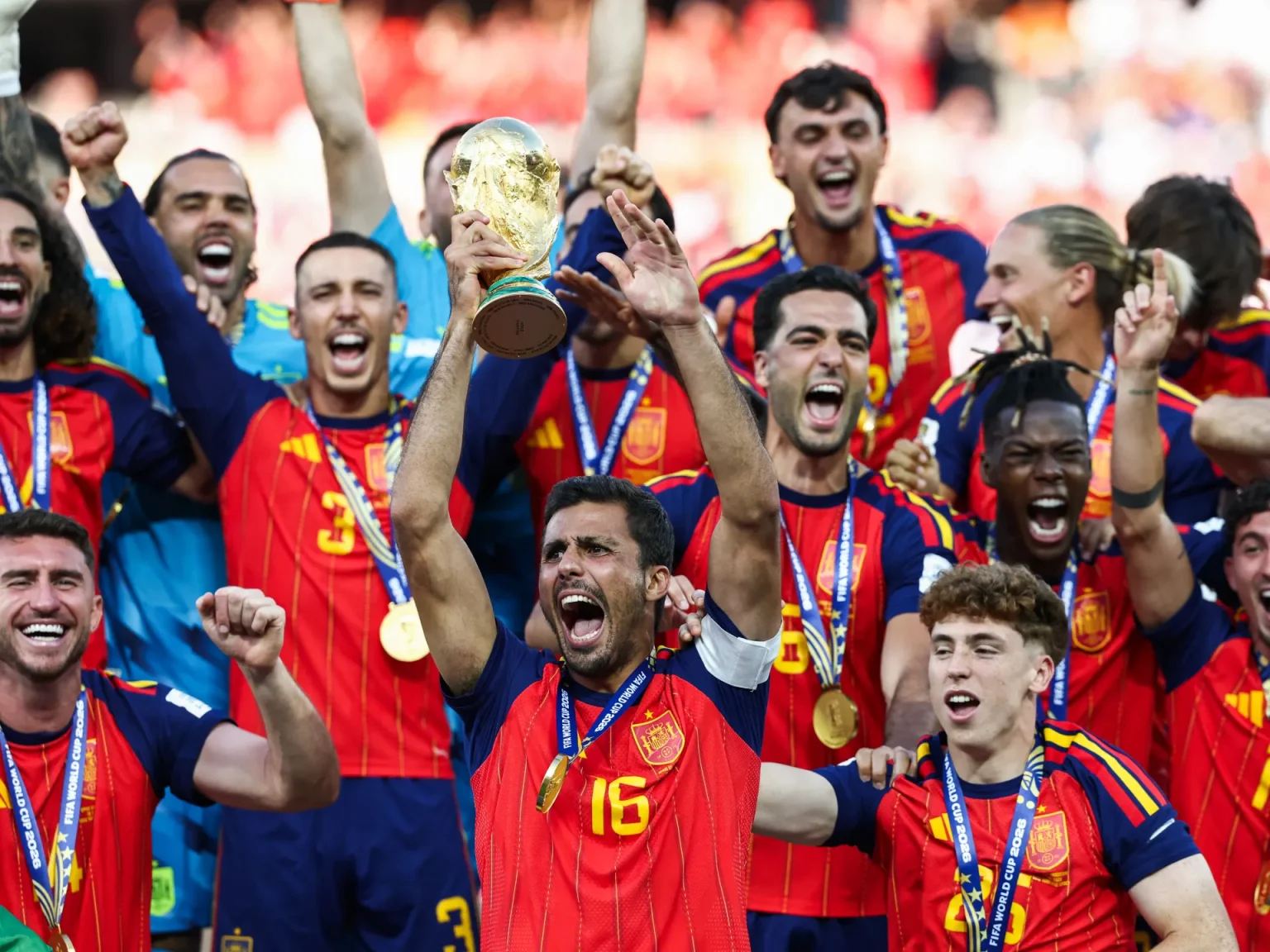

Spain defeats Argentina in a dramatic final to claim the FIFA World Cup 2026 title, according to match reports and tournament officials. The victory came at the culmination of a month-long competition held across North America, where both national teams advanced through a crowded field to reach the decisive match. Fans and officials described the final as tightly contested and significant for both footballing nations.
Spain defeats Argentina in the World Cup 2026 final
Spain defeats Argentina after a match that tournament organizers and media characterized as a tactical duel between two high-quality sides. The Spain national team reached the final through a blend of possession play and disciplined defense, while the Argentina national team relied on inventive attacking sequences throughout the tournament. According to FIFA summaries, the final offered moments of open play and strategic adjustments from both coaches.
Match summary and key moments
The final was decided after a series of momentum shifts, with both teams creating notable chances in the first and second halves. Spain focused on controlling the ball in midfield, pressing to limit Argentina’s counterattacks. Meanwhile, Argentina tested Spain’s back line with quick transitions and set-piece attempts.
Officials and match reports noted several pivotal moments that shaped the outcome, including tactical substitutions and defensive stands that prevented clear scoring opportunities. Commentators said the game required composure from both sides in the closing stages, and Spain’s organization under pressure drew particular attention from analysts.
Route to the final and tournament context
Both teams navigated a challenging World Cup 2026 schedule, advancing through group and knockout rounds that featured surprises and high-caliber opposition. Spain’s path included matches that tested its depth and adaptability, while Argentina managed to overcome earlier tests with a mix of experienced starters and younger contributors. Tournament summaries indicate that both teams showed consistency in limiting opponents’ chances while capitalizing on key moments.
Furthermore, tournament officials noted strong attendance and global viewership for the event across host cities in the United States, Canada and Mexico. The World Cup 2026 format expanded the field of competitors, which added new dynamics to team preparations and match planning throughout the competition.
Strategic analysis: how Spain prevailed
Analysts pointed to Spain’s midfield control and structured defensive shape as decisive factors in the final. Spain’s ability to recycle possession and manage the tempo reduced Argentina’s effectiveness on the break. Additionally, Spain’s set-piece organization and coordinated pressing sequences created pressure that contributed to the result.
Coaches and tactical analysts observed that Spain balanced risk and retention, choosing moments to advance players while protecting the central defensive areas. This approach limited space for Argentina’s attackers and forced longer build-ups that often ended without clear openings.
Reactions from teams, officials and fans
Reactions were immediate from national federations, tournament organizers and supporters around the world. FIFA provided official match notes and postgame confirmation of the final outcome, while supporters in both countries expressed strong emotions online and in public gatherings. Media coverage emphasized the significance of the title for Spain and the resilience shown by Argentina in reaching the final.
Club officials and former players reacted to the result with assessments of performance and future prospects, noting the developmental impact of tournament play. The Spain national team was credited for its cohesion, and observers said the final reinforced trends in contemporary international football centered on tactical flexibility and squad depth.
Implications for Spain, Argentina and global football
The outcome carries implications for both national programs and for player careers, according to experts. Spain defeats Argentina in the final of World Cup 2026 may influence coaching appointments, youth development priorities and player market values. National federations often reassess strategic plans after major tournaments, and officials said they would review performance data and planning processes ahead of future competitions.
Furthermore, the tournament highlighted the evolving competitive landscape in international football, where tactical innovation and squad rotation often determine long-term success. The Argentina national team is expected to analyze tactical lessons and squad options as it prepares for continental and future international fixtures.
What to watch next
Looking forward, both federations and fans will watch how domestic leagues and upcoming qualifiers shape the next cycle of international tournaments. Spain will enter a period of celebration and transition, with domestic leaders and sports authorities expected to acknowledge the achievement in coming weeks. Meanwhile, Argentina will refocus on rebuilding and preparation for upcoming regional competitions.
The next major marker on the international calendar is the regional championship cycle and qualifying windows for future global tournaments. Observers suggested that coaching decisions, player fitness, and the integration of emerging talent will be key areas to monitor in the months ahead.
Conclusion and timeline
Spain defeats Argentina to lift the World Cup 2026 trophy, marking a milestone in Spain’s football history and setting a new chapter for the Spain national team. The immediate aftermath will include national acknowledgments, player rest periods and scheduled returns to club commitments. Officials and media said a fuller review of performances and planning for the next tournament cycle will follow within weeks and months.
Fans should watch for official statements from national federations and FIFA for ceremonial plans, detailed match reports, and formal tournament analysis. In the meantime, attention will turn to domestic seasons, player recovery, and the strategic decisions that will shape both nations’ approaches to future international competition.