




Qatar’s Prime Minister Calls Israeli PM a War Criminal
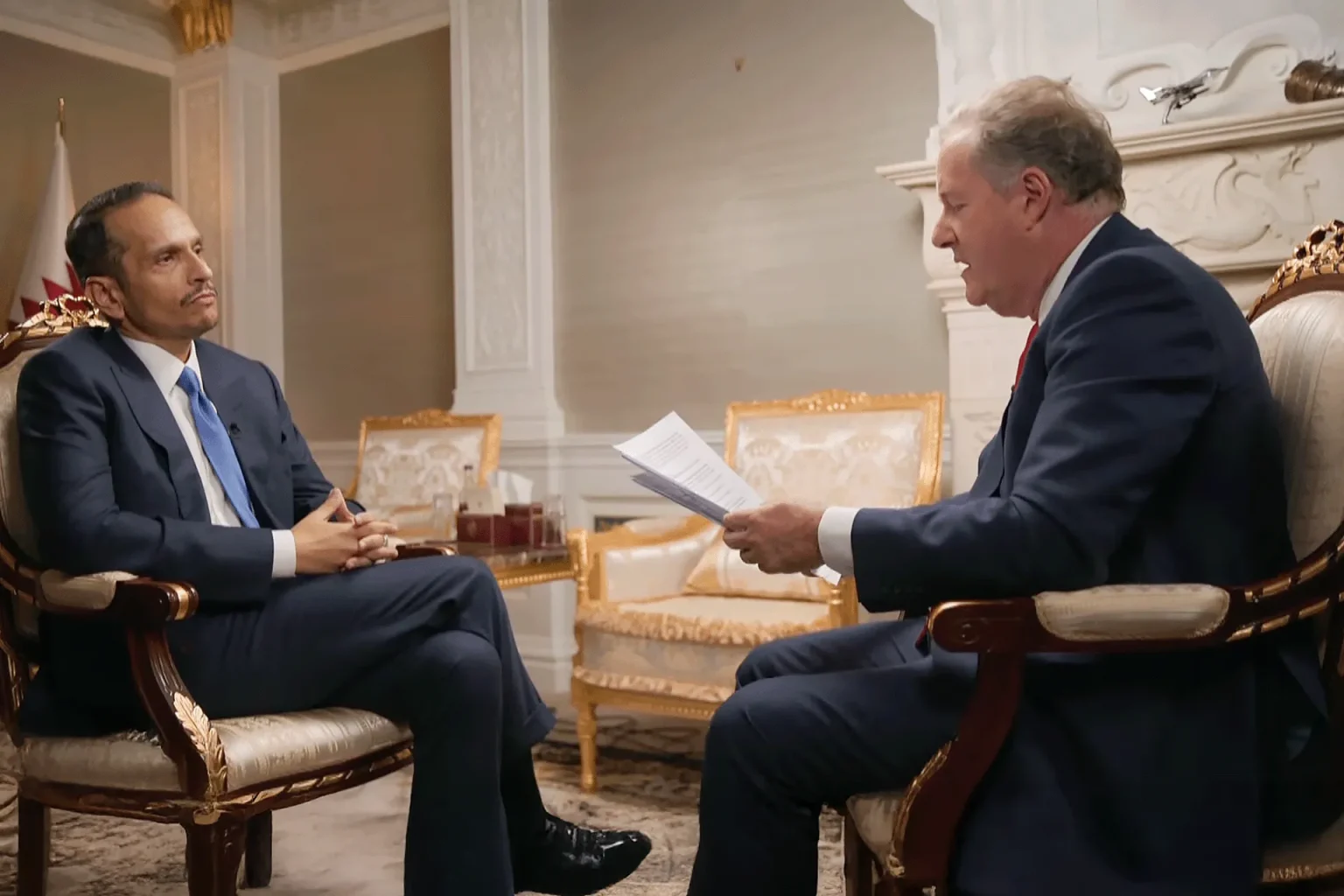
On September 29, 2026, Qatar’s Prime Minister and Foreign Minister, Sheikh Mohammed bin Abdulrahman Al Thani, labeled Israeli Prime Minister Benjamin Netanyahu a “war criminal.” This declaration came during an interview with British journalist Piers Morgan, wherein Sheikh Mohammed addressed the ongoing violence in Gaza, asserting that the actions perpetrated there qualify as war crimes and placing the responsibility on Netanyahu’s government.
Sheikh Mohammed articulated his belief that Netanyahu uses criticism of Qatar to manipulate public perception and divert attention from his government’s actions. He accused the Israeli leader of scapegoating others while failing to take accountability for his administration’s conduct.
Ongoing Middle East Conflicts and Diplomatic Mediation
In the same interview, the Qatari Prime Minister condemned a previous Israeli attack on Qatar, which occurred while the nation was advocating for a Trump-era proposal. Sheikh Mohammed described such attacks on mediators as unprecedented historically, emphasizing that Netanyahu’s actions have crossed a dangerous line.
Despite the escalating tensions, Sheikh Mohammed affirmed Qatar’s commitment to diplomacy and mediation aimed at fostering peace in the region. He expressed the belief that open channels of communication are essential for progress, reiterating the importance of pursuing a peaceful resolution to ongoing conflicts.
Addressing Regional Tensions and Economic Impact
Sheikh Mohammed warned that the ramifications of the current war extend beyond the immediate geographical area, affecting the global economy. He highlighted Qatar’s ongoing efforts to seek diplomatic solutions in coordination with the United States, particularly regarding potential agreements between the US and Iran.
He acknowledged the challenges of playing a mediator’s role but maintained that behind-the-scenes diplomacy often yields the best results. Sheikh Mohammed indicated that Qatar strives to provide valuable advice to both the US government and Iranian officials to facilitate a peaceful resolution.
Key Issues for De-escalation in the Middle East
During the interview, Sheikh Mohammed identified three critical issues that must be addressed to de-escalate tensions. The first involves reaching a satisfactory nuclear agreement that balances US and International Atomic Energy Agency interests while granting Iran its right to peaceful energy applications, alongside lifting economic sanctions.
The second issue focuses on ensuring freedom of navigation through the Strait of Hormuz, emphasizing the need for international legal frameworks to govern maritime activity in the region. Lastly, he mentioned the essential reforms needed in regional security arrangements, particularly concerning the Gulf Cooperation Council and Iran.
The Future of Diplomacy and Regional Cooperation
Sheikh Mohammed emphasized the necessity of dialogue between Iran and Gulf nations to establish good neighborly relations. He expressed the hope for a region built on mutual interests, where economic cooperation could thrive and allow for the unlocking of the area’s full potential.
He called for collaborative efforts to create a secure environment in which all nations can coexist peacefully. Sheikh Mohammed’s statements reflect a desire for a united approach to regional stability, promoting dialogue and cooperation rather than conflict.
Looking Ahead: Prospects for Peaceful Negotiations
As tensions continue to rise in the region, the focus turns to the potential for renewed diplomatic efforts. The challenges ahead are significant, yet Sheikh Mohammed’s commitment to mediation suggests a path forward. Moving forward, observers will be keen to see if Qatar can successfully mediate meaningful discussions between the involved parties.
In the coming months, the international community will watch closely for signs of progress in negotiations and the feasibility of achieving lasting peace in the region.