






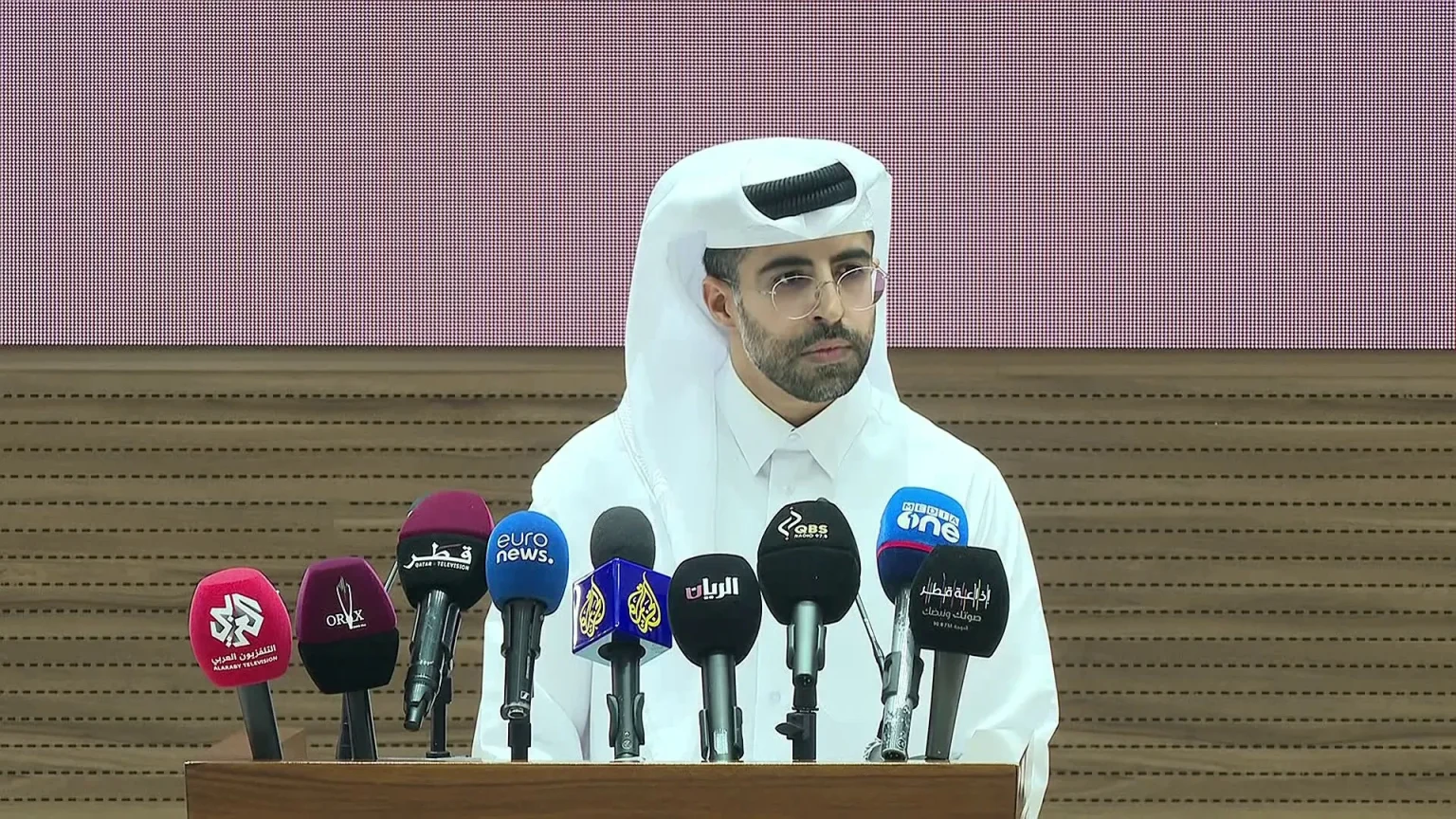

Qatar Calls for Immediate Reopening of Hormuz Strait
On August 9, 2026, Qatar emphasized the urgent need to reopen the Hormuz Strait unconditionally, describing it as an international waterway. Qatari officials firmly rejected the use of the strait as a leverage tool and stated that they are collaborating with both regional and international partners to resume diplomacy and promote dialogue in the area.
Ibrahim Bin Sultan Al Hashimi, Director of Media and Communication at the Qatari Foreign Ministry, expressed concerns about the ongoing state of “neither war nor peace” in the region, pointing out its detrimental impact on the resources and economies of its people. He highlighted the need for actions that positively influence regional stability and security which extend beyond the Gulf region.
Importance of the Hormuz Strait
Al Hashimi noted that the reopening of the Hormuz Strait as a key maritime passage is a top priority for Qatar and countries in the region. The strait is crucial for both regional and global economies, particularly for the movement of goods. He asserted that leveraging the strait for political pressure is entirely unacceptable to the international community.
The Qatari Foreign Ministry stressed that restoring dialogue and resolving tensions through peaceful means requires a political will from all involved parties. Qatar is actively working with its international partners, including the People’s Republic of China, to propose actionable ideas that address the concerns of all stakeholders involved.
International Diplomacy and Regional Stability
During a recent phone call, Qatari Emir Sheikh Tamim bin Hamad Al Thani discussed the escalation in the Hormuz Strait with UK Prime Minister Andy Burnham. Both leaders acknowledged the necessity of reducing tensions and emphasized a preference for diplomacy and dialogue to ensure security and stability in the region.
Further discussions on strategic relations took place when Qatari Prime Minister and Foreign Minister Sheikh Mohammed bin Abdulrahman Al Thani visited China. Meetings involved Chinese officials, including Foreign Minister Wang Yi and Premier Li Qiang, while addressing both the strategic partnership needs and regional developments.
Addressing Cyber Attacks and Regional Security Concerns
In response to allegations of Iranian attacks targeting Qatari civilian objects, Al Hashimi referred to previous statements made by the ministry’s official spokesperson, explaining that Qatar has issued formal letters of protest regarding cyber attacks affecting specific institutions in the country. He emphasized that it’s crucial to focus on dialogue and negotiations to reinforce security and stability instead of engaging in blame games.
When questioned about Israeli Prime Minister Benjamin Netanyahu’s remarks against Qatar, Al Hashimi highlighted that such statements merely reveal the flawed assertions made repeatedly by Israeli officials regarding their regional stance. He underscored that the claims positioned Qatar in a negative light form part of a broader narrative aimed at inciting hostility against the nation.
Al Hashimi reiterated that Qatari officials remain committed to peace and stability and will not be swayed by external commentary intended for local consumption.
Condemnation of Houthi Attacks in Saudi Arabia
Qatar unequivocally condemned the Houthi group’s recent strikes on civilian and economic sites in Saudi cities such as Abha, Khamis Mushait, Jazan, and Najran. The Qatari official stated these attacks have resulted in civilian injuries and pose significant risks to regional stability.
The ministry also pointed out that the ongoing Houthi threats against commercial shipping in the Red Sea jeopardize maritime security and violate Saudi sovereignty and international law norms. Additionally, it firmly rejected any actions targeting civilian facilities and urged an immediate halt to such operations, which are detrimental to peace efforts in the region.
In conclusion, the situation in the Hormuz Strait highlights the complex interplay of regional power dynamics and the urgent need for diplomatic engagement. With Qatar advocating for the immediate reopening of this vital waterway and addressing various geopolitical challenges, stakeholders worldwide are keenly observing how these developments will unfold. The next steps in fostering dialogue and reducing tensions will be critical in shaping the future trajectory of peace and stability in the Gulf region.