






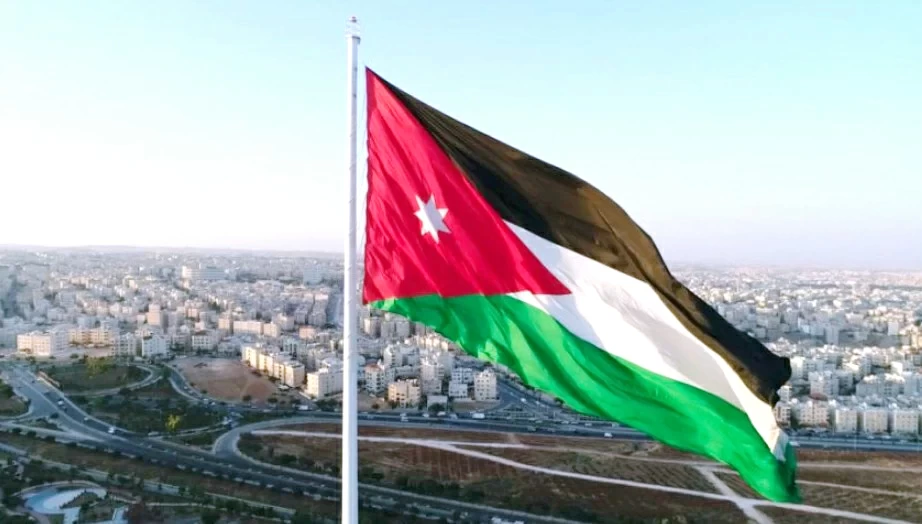

Jordan Condemns Houthi Attack on Mecca
The Jordanian government has condemned the attempted attack on Mecca, a significant religious site, by a drone launched by the Houthi militia. This act has been categorized as a severe violation of Saudi Arabia’s sovereignty, posing a threat to the nation’s security, stability, and territorial integrity. The incident is also viewed as a blatant breach of international law and an unacceptable assault that undermines the sanctity of Mecca and the feelings of Muslims worldwide.
Official Response from Jordan
Fouad Majali, the official spokesperson for the Jordanian Ministry of Foreign Affairs, emphasized Jordan’s unwavering support for Saudi Arabia. He affirmed that Jordan stands alongside Saudi Arabia in every measure taken to safeguard its security, stability, and the safety of its citizens and residents. This statement underscores the critical alliance between the two Middle Eastern nations, particularly in matters concerning regional security.
Understanding the Implications of the Attack
The attack on Mecca marks an escalation in the ongoing conflict involving the Houthi militia, who have been involved in various confrontations both in Yemen and the broader region. The use of drones in this attempt signifies a shift in tactics by the militia, reflecting their growing capabilities and the potential for further destabilization in the region. Such actions not only threaten Saudi Arabia but also endanger the security environment of neighboring countries.
Additionally, this event raises significant questions regarding international security mechanisms. The ability of non-state actors like the Houthis to target vital religious sites could provoke reactions from different countries, potentially leading to wider conflicts. The international community’s failure to address such incidents effectively may embolden similar attacks in the future, making concerted diplomatic efforts all the more essential.
What to Expect Next
In light of this attack, observers anticipate that Saudi Arabia will enhance its defensive measures and possibly seek tighter collaborations with allied nations to thwart future threats. There may also be calls for urgent international responses to re-assess the security of vital sites and ensure the protection of places regarded as sacred to millions of Muslims around the world.
As the situation unfolds, it will be crucial for regional and global leaders to engage in discussions aimed at de-escalating tensions and reinforcing alliances. The expectation is that concerted actions will be taken to prevent further incidents that threaten peace and security in the region.