





Qatar Engages in Diplomatic Talks to Enhance Regional Security
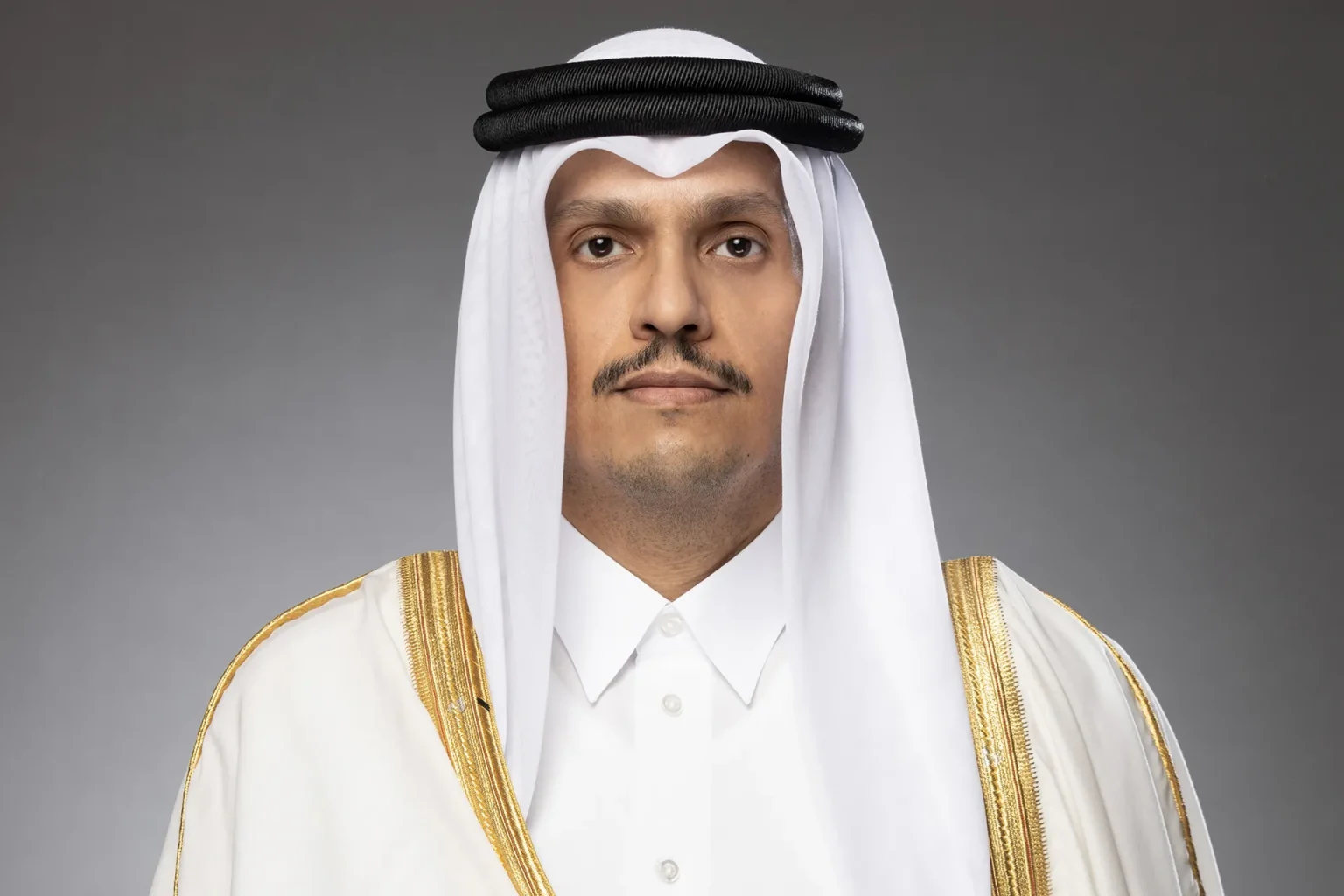
On February 9, 2026, Qatar’s Prime Minister and Foreign Minister Sheikh Mohammed bin Abdulrahman Al Thani held separate phone conversations with Turkish Foreign Minister Hakan Fidan, Egyptian Foreign Minister and Immigration Minister Badr Abdel Aati, and Lebanese Prime Minister Nawaf Salam. These discussions focused on the evolving regional situations and diplomatic efforts aimed at reducing tensions while enhancing security and stability in the area.
The Qatari Ministry of Foreign Affairs reported that the talks also explored cooperative relations between Qatar, Turkey, Egypt, and Lebanon, addressing ways to support and strengthen these ties, as well as collaborative coordination regarding regional developments.
Support for Diplomatic Solutions in the Region
During the discussions, Sheikh Mohammed bin Abdulrahman emphasized Qatar’s support for diplomatic initiatives aimed at achieving a resolution that ensures freedom of maritime navigation and paves the way for a comprehensive agreement leading to sustainable peace in the region. This commitment underscores Qatar’s active role in contributing to regional stability through collaborative diplomatic endeavors.
Recently, Sheikh Mohammed also engaged with Iranian officials in Tehran, discussing efforts to lower regional tensions and create an environment conducive to dialogue. A notable proposal was to establish a temporary maritime corridor through the Strait of Hormuz, highlighting the complexities and the importance of maritime security in the Gulf area.
Qatar’s Role in Regional Diplomacy
These diplomatic initiatives reflect Qatar’s longstanding commitment to fostering cooperation among neighboring nations. The calls with Turkey, Egypt, and Lebanon are part of a broader strategy to promote dialogue that can lead to stability in a region often impacted by conflict and political shifts.
Officials mentioned that the conversations included discussions on how each country can contribute to mitigating tensions while enhancing mutual cooperation. By focusing on economic and security partnerships, Qatar aims to build rapport and decrease hostilities among diverse states in the region.
Next Steps for Regional Engagement
As these discussions evolve, it is essential to monitor the outcomes of these diplomatic efforts and their implications for regional stability. Future dialogues are anticipated as leaders seek to implement strategies that reinforce security and promote collaboration across various sectors.
Looking ahead, the international community will likely watch closely for the next steps from Qatar, Turkey, Egypt, and Lebanon regarding specific agreements or actions that may emerge from these valuable engagement efforts. The commitment to diplomacy serves not only the interests of the involved nations but also contributes to a more stable Middle East as a whole.