




Empowering Visually Impaired Individuals in Qatar through “Noorhom Bayna” Initiative
Doha – The Noor Center for the Blind in Qatar has launched a new initiative named “Noorhom Bayna” in collaboration with the Qatari Media Foundation. This initiative aims to enhance the integration and independence of visually impaired individuals through educational and community programs, spanning six months from October 2026 to March 2027.
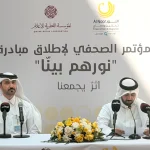
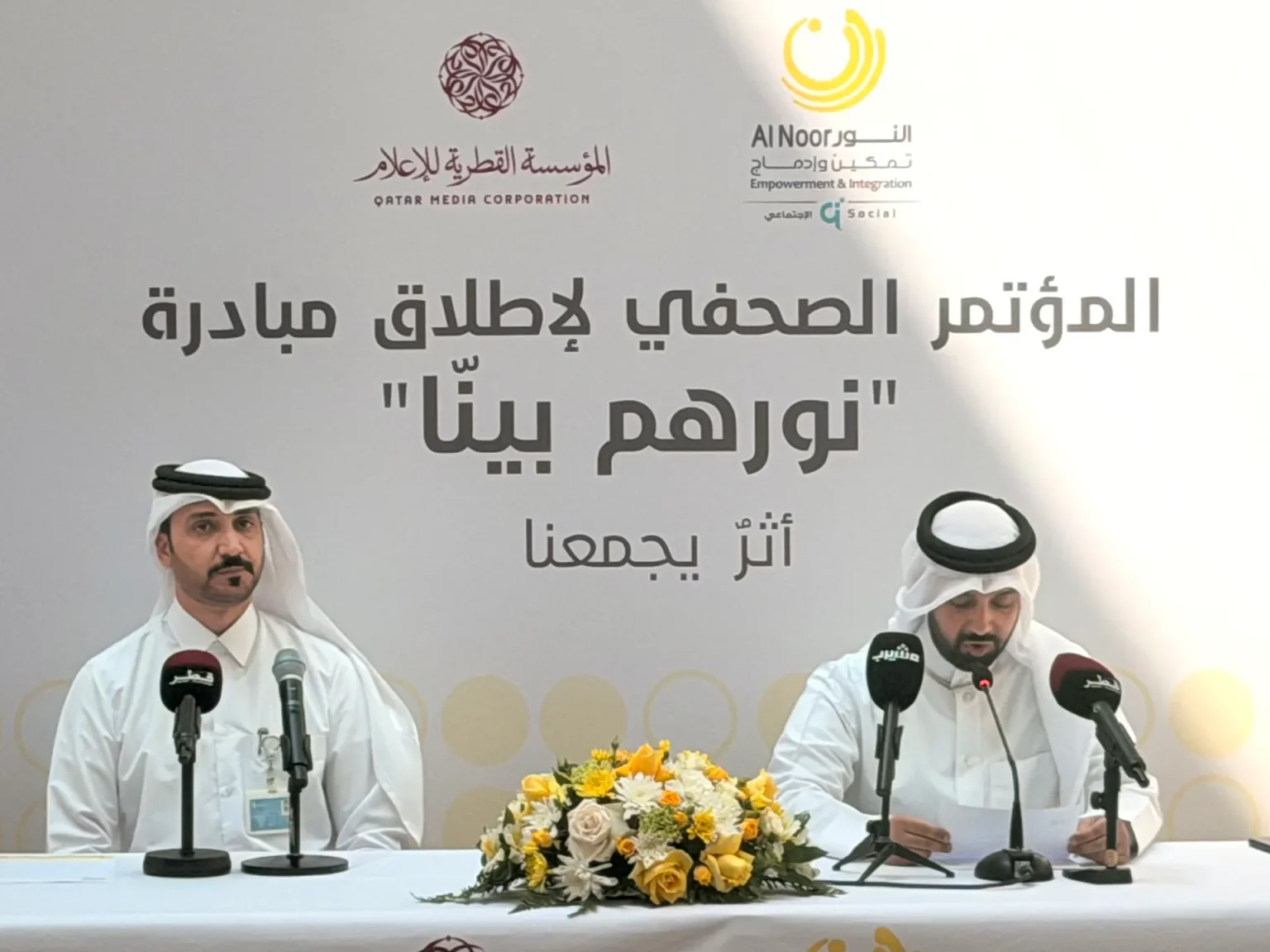
During a press conference held at the center, details of the initiative were revealed in the presence of representatives from the Qatari Media Foundation, media personnel, and officials from the center.
Key Objectives and Activities of the Initiative
The “Noorhom Bayna” initiative includes various field events, interactive experiences, and digital content, alongside partnerships with educational, service, cultural, and sports institutions. The program’s primary objectives focus on raising awareness of issues concerning visually impaired individuals, promoting their integration, empowerment, and highlighting their capabilities and achievements.
The center aims for the activities to foster the development of practices within institutions and services, facilitating broader participation in education, employment, and community activities.
The Role of Institutions in Integration
Shahin Al-Sulaiti, the director of communication and media at the center, stated that the initiative aligns with the goal of expanding awareness and community participation, while enhancing the visibility of visually impaired individuals across various fields. He emphasized that achieving the four main objectives necessitates the collaborative efforts of educational, cultural, service, and media institutions, asserting that integration is a shared responsibility that cannot rest with one entity alone.
According to Al-Sulaiti, the center aspires to create lasting impacts beyond the events’ duration by raising awareness about rights and capacities, challenging stereotypes, and encouraging institutions to improve services and practices for better accessibility and integration.
A Focus on Independence and Accessibility
Specialist in Braille at the Noor Center, Mohammed Muttlaq Fallah, pointed out that independence is tied to various aspects of daily life for visually impaired individuals – from mobility and information access to utilizing digital services and engaging in events independently. He stressed that enhancing this independence requires not only the capabilities of the individual but also an accessible environment, supported by the roles of families, educational institutions, services, and the broader community.
Fallah indicated that visually impaired individuals will play an instrumental role in the initiative through their participation in programs, events, and interactive experiences, sharing insights on using white canes, Braille, assistive technologies, and independence itself. The initiative will also spotlight real-life models and experiences, linking independence tools with opportunities for users to narrate their needs and stories to participating institutions and the audience.
Event Timeline and Thematic Focus
The events in October will center on independence, coinciding with the Global Sight Day and White Cane Day, showcasing issues related to visual impairment and supporting tools for independence. In November, themes surrounding children and families will be explored, along with educational visits. December’s activities will focus on community integration and showcasing abilities, followed by a dedicated emphasis on the Braille system’s importance in education and knowledge access during January. The awareness and community activities will continue through February and March.
The United Nations underscores that Braille reflects alphabetic and numeric symbols via raised dots readable by touch, encompassing musical, mathematical, and scientific codes. Its significance lies in providing education, information, and written communications for the visually impaired, fostering social inclusion.
This structured program ensures a comprehensive approach encompassing various life aspects for visually impaired residents, from learning and familial relations to mobility and access to services while maintaining educational and awareness content parallel to the events.
The Critical Role of Media in Changing Perceptions
Speaking about the partnership with the Qatari Media Foundation, Al-Sulaiti emphasized that media serves as a fundamental pathway for the initiative, playing a crucial role in shaping community awareness and presenting an accurate view of the capabilities of visually impaired individuals. He noted that this collaboration will leverage media platforms to disseminate the initiative’s messages to diverse community fractions while showcasing individual experiences and achievements in parallel with field activities.
The planned media content includes awareness films, success stories, podcasts, campaigns, and digital materials. The initiative aims to enhance the visibility of visually impaired individuals in education, work, sports, and creativity while promoting a more inclusive portrayal of their capabilities.
The Historical Context and Future Steps
The Noor Center, established in 1998 as the “Institute for the Blind” aimed at supporting children over three years old, was rebranded in 2018 to expand its service offerings in education, rehabilitation, community awareness of rights, and promoting independence and integration.
According to its official website, the Noor Center provides educational, training, and early childhood services, as well as individualized assessments to determine appropriate services based on individual needs. The center operates under the umbrella of the Qatari Social Work Foundation, bringing together education, rehabilitation, awareness, and advocacy to bolster the independence and community involvement of visually impaired individuals.
Outcome Measurement and Continuous Efforts
The center announced its commitment to monitoring and evaluating the effects of the initiative, focusing on knowledge levels, participation rates, and shifts in attitudes throughout its execution. Metrics for success will include improvements in accessible practices, service access, and expanded involvement of visually impaired individuals in various community activities.
At the program’s conclusion, the center plans to release a report titled “Impact of Noorhom Bayna 2026-2027,” documenting achievements made during the six-month period and identifying practices that can be sustained moving forward. The initiative’s activities and partnerships will extend until March 2027, inviting institutions to engage in its programs and adopt practices that reinforce integration and accessibility.