




Private Universities Challenge to Recycle Electronic Waste
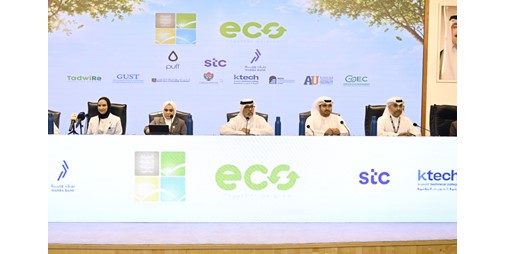
The Public Authority for Environment announced the launch of the initiative “Private Universities Challenge to Recycle Electronic Waste” on the morning of October 9, 2023. Organized by Eco Business Incubator, the initiative targets students from private universities, with six universities competing to collect electronic waste for recycling.
During a conference held to highlight the initiative, the spokesperson for the authority, Sheikha Al-Ibrahim, representing the acting Director General of the Authority, Nawaf Al-Bahbahani, stated that the initiative demonstrates the importance of engaging youth and students in environmental issues and promoting sustainable practices within their academic and community environments.
Significance of Managing Electronic Waste
The authority emphasized its commitment to managing waste, including electronic waste, due to the environmental challenges it presents. Addressing these issues requires sound scientific and organizational approaches to mitigate their impact on both public health and the environment. Furthermore, the initiative aligns with the National Strategy for Integrated Waste Management, which aims to develop a more efficient and sustainable waste management system in Kuwait.
The strategy advocates for reducing waste production, enhancing recycling efforts, and maximizing resource utilization, all while minimizing the amount directed to landfills. The authority underscored that targeting university students with such initiatives represents a true investment in building environmental awareness among a generation capable of driving change. This transformation of sustainability concepts into practical applications promotes innovation and fosters student engagement in finding practical solutions to environmental challenges.
Details of the Electronic Waste Recycling Challenge
Jasem Al-Abouh, the founder of Eco Business Incubator, elaborated on the challenge, noting that it will take place over a three-month period. Collection bins for electronic waste will be set up at each participating university. Additionally, workshops will be organized in collaboration with the Public Authority for Environment to raise awareness about the importance of sorting and processing electronic waste.
At the conclusion of the initiative, a comprehensive environmental report will be compiled, and awards will be presented to the top three universities based on their performance in waste collection.
The Role of Private Sector Support
In support of the challenge, Maali Al-Rasheed, the head of Human Resources and Public Services Group at Warba Bank, expressed that the bank’s contribution reflects its steadfast commitment to environmental sustainability. She emphasized that true investment lies in the future of the environment, acknowledging the importance of projects and solutions that minimize the environmental impact of waste.
Al-Rasheed also highlighted the initiative’s role in instilling sustainable values in the minds of students, furthering the mission of cultivating awareness around ecological responsibility.
Encouragement from Telecommunications Sector
Ahmad Nasser Al-Nuibat, the Director of Public Relations and Social Communication at stc telecommunications company, stated that the company is keen on being involved in significant initiatives and ideas due to its technological and digital prowess. He underscored the importance of electronic waste recycling as an integral facet of digital development, aligning it with the company’s strategic aim to embed sustainability values among its employees and support the youth demographic that forms a major part of the community.
Academic Perspective on Sustainability
Mushaari Ayman Boudi, the Chairman of the Board of Trustees at KTECK, expressed his enthusiasm for participating in the initiative alongside other universities, emphasizing the importance of aligning academic pursuits with global trends. He noted that supporting sustainability initiatives is essential for preparing students for their role in realizing Kuwait’s 2035 vision.
Moreover, Jan Ashkar, Associate Professor in the Petroleum Engineering Department at the Australian University, highlighted that sustainability encourages the exploration of solutions to environmental problems, particularly through recycling. He asserted that the challenge provides an opportunity to educate students about electronic waste and its impact, complementing ongoing research and innovative solutions at the university.
Conclusion and Future Outlook
The “Private Universities Challenge to Recycle Electronic Waste” initiative represents a proactive step toward addressing the pressing issue of electronic waste in Kuwait. By engaging students, the initiative aims to foster environmental stewardship and a sense of responsibility towards sustainable practices. As the challenge unfolds over the next three months, the community awaits to see the outcomes and achievements of the participating universities in promoting recycling efforts and enhancing awareness around electronic waste disposal. Stakeholders expect that this initiative will serve as a foundation for future educational collaborations and environmental engagements in Kuwait.