






The Strategic Implications of Iran’s Conflict
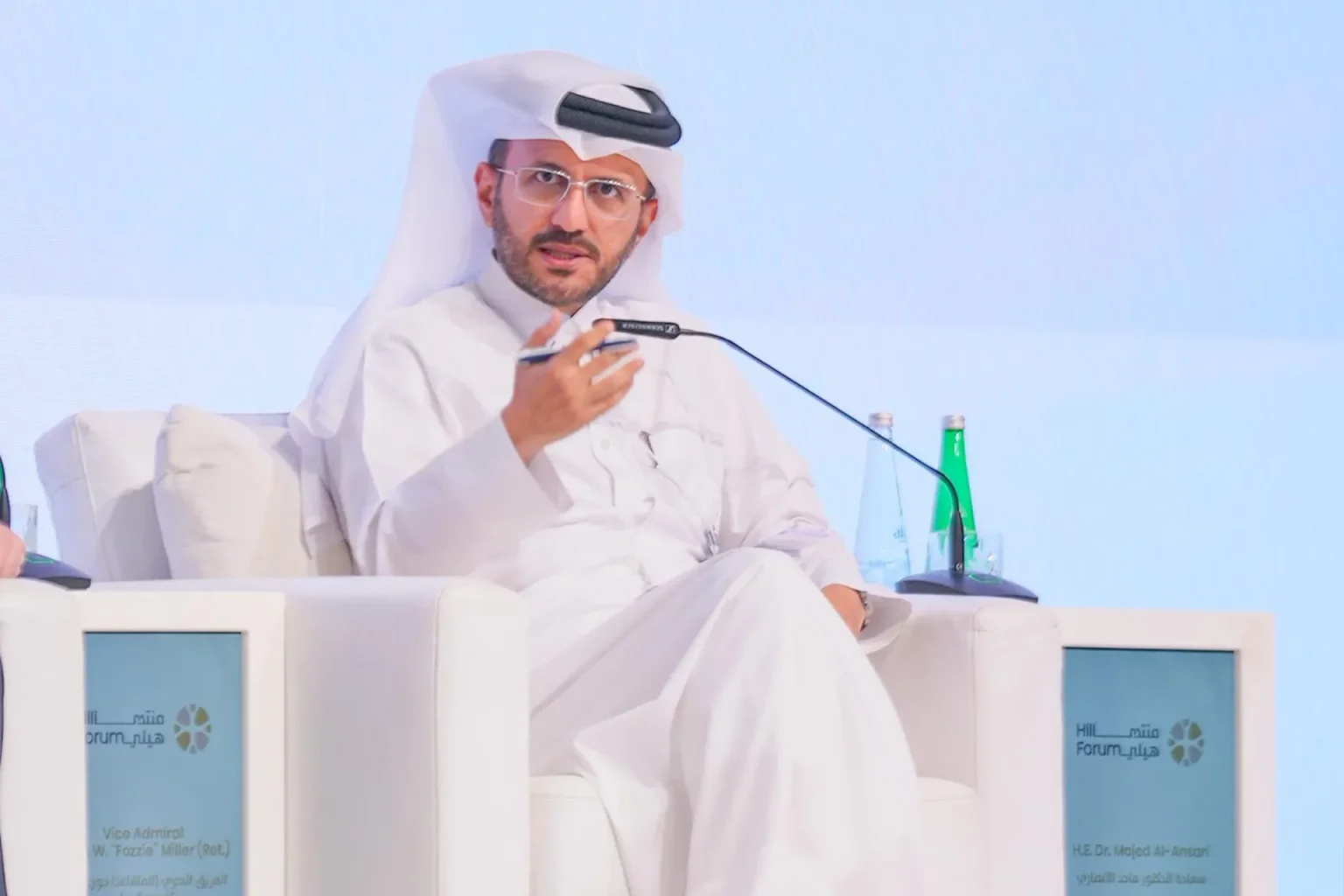
On July 9, 2026, Dr. Majid Al-Ansari, the advisor to the Prime Minister and official spokesperson for the Qatari Ministry of Foreign Affairs, addressed key security concerns in the Gulf region during the Helly 2026 Forum in Abu Dhabi. He emphasized that the ongoing conflict involving Iran has revealed the insufficiency of strategic partnerships, particularly the reliance on the United States for regional security. Al-Ansari’s remarks underscore a pivotal moment for Gulf nations, calling for a reassessment of their defense strategies.
Rethinking Security in the Gulf
Dr. Al-Ansari articulated that the recent hostilities have highlighted the necessity for Gulf states to develop their own security frameworks rather than depending solely on American alliances. “The war has tested the alliance of the Gulf countries in recognizing common threats,” he noted, emphasizing that the region must now translate this awareness into cohesive collective action. He asserts that regional security ought to be a shared responsibility, urging Gulf nations to take a principal role in shaping their security arrangements and future outlook.
This shift suggests that countries like Qatar are looking to enhance diplomatic efforts, promote collective defense mechanisms, and bolster economic interdependence. The transition towards greater autonomy in security matters reflects broader geopolitical shifts and the increasing complexity of the international security landscape.
The Fragility of Regional Security Structures
During his address, Al-Ansari also pointed out the fragility of the current security architecture that relies heavily on deterrence and defense. He warned that the ongoing crisis not only presents challenges for local nations but also has ripple effects on global energy markets, trade routes, maritime navigation, and supply chains. “The closure of the Strait of Hormuz poses significant threats, extending the implications of regional instability to international security,” he added.
Moreover, the official cautioned against normalizing the turbulence experienced in the Gulf, which could prompt countries to perceive this instability as a new status quo. He highlighted that the absence of accountability for violations of international norms can lead to repeated transgressions, thus undermining the foundations of global security. Building a more robust and sustainable security infrastructure will require multilateral cooperation and a renewed commitment to global diplomatic efforts.
Regional and International Mediation Efforts
In discussing Qatar’s role, Dr. Al-Ansari emphasized the nation’s experience in mediating conflicts and its commitment to facilitating dialogue. The success of mediation efforts, he noted, is heavily contingent upon the political will among involved parties and a shared interest in conflict resolution. He described dialogue as an essential tool for de-escalation and maintaining communication channels, thereby enabling sustainable solutions.
Al-Ansari urged that addressing current challenges necessitates a collective responsibility from both regional and international players. The ramifications of developments in the Gulf extend well beyond its borders, affecting global markets and international relations. Engaging in cooperative solutions and fostering diplomatic channels will be vital for creating a more secure environment.
The Helly 2026 Forum not only served as a platform for discussing these urgent issues but also highlighted the critical crossroads the Gulf region currently faces, characterized by conflict, consequences, and the need for clear pathways towards stability. As Al-Ansari participated in the main session, the overarching theme was “The Gulf at a Crossroads: Conflict, Implications, and Course Correction,” underscoring the necessity for thoughtful strategies moving forward.
Looking ahead, stakeholders will closely monitor how the Gulf nations recalibrate their security approaches in light of the ongoing Iranian conflict and its implications. The dialogues fostered during forums like Helly 2026 will likely shape future cooperative efforts aimed at establishing a more resilient and secure Gulf region.