






Manira Al-Amir Emphasizes the Importance of Urban Organization amidst Strategic Support
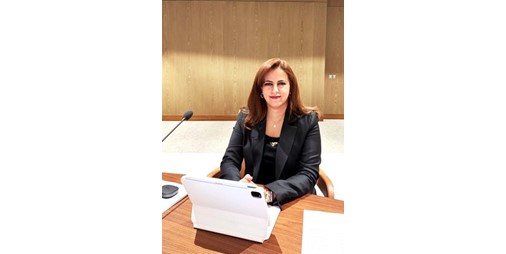
The Technical Committee of the Municipal Council has resumed its activities following the summer break, with key discussions led by Manira Al-Amir highlighting the balance between supporting strategic projects and protecting urban organization. The committee’s recent meeting covered multiple important files, including pivotal infrastructure development, road improvements, and public transport enhancements crucial for Kuwait’s growth.
Among the notable approvals, the committee greenlit a request from the General Administration of Customs for the expansion of the Salmi border crossing and the reallocation of sites to support the Dorra Field project. Al-Amir stated that these decisions are essential for meeting public interest while ensuring the safe management of urban services and infrastructure.
Addressing Parking Shortages and Traffic Congestion
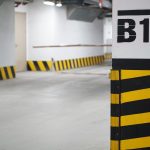
In response to the growing issue of parking shortages and urban traffic congestion, the committee agreed to amend previous resolutions allowing the use of temporarily designated areas within road boundaries and government lands for parking spaces. This initiative aims to provide immediate solutions to areas facing high traffic density and a lack of parking facilities.
Al-Amir explained that these temporary parking solutions would be located only after coordinating with the relevant government bodies, including the Ministry of Interior and the Ministry of Public Works. Safety, infrastructure compliance, and environmental considerations will also play pivotal roles in the decision-making process.
Key Infrastructure Updates and Reallocations
The committee evaluated ten major proposals relating to infrastructure, wastewater management, and reallocations for public transport facilities. Specifically, they discussed the proposal to designate a sewer line connecting a wastewater lift station in the South Sabah Al-Ahmad residential area. The committee approved this 1900-meter long pipeline, ensuring that it adheres to existing technical and environmental regulations.
Furthermore, a significant point of discussion was the reallocation of public transport sites in Shuwaikh Garage and Abdullah Port from the Public Authority for Industry to the Ministry of Finance. The sites, totaling over 267,000 square meters, will undergo necessary regulatory adjustments in accordance with infrastructural requirements.
Environmental Considerations and Compliance
As part of the approval process, the committee mandated comprehensive studies to evaluate the environmental and social impacts of various projects before execution. This requirement highlights the commitment to sustainable development and compliance with environmental standards across all municipal initiatives.
Moreover, the committee also addressed the request from the General Administration of Customs to expand the Salmi border crossing by an additional one million square meters. This expansion will facilitate increased storage and service capabilities to accommodate governmental usage. However, the expansion is conditional upon conducting an exhaustive environmental and social impact assessment.
Future Coordination and Strategic Planning
Collaborative dialogue among various stakeholders will be crucial going forward. Al-Amir stressed that the committee’s charter remains focused on ensuring urban development aligns with both strategic infrastructure projects and pre-established regulations.
As the committee continues to evaluate new proposals, they aim to maintain a balance between immediate public needs, such as increased parking facilities, and long-term infrastructural goals. The ongoing efforts reflect a broader commitment to improving life quality for citizens while respecting the framework of urban planning regulations.
In conclusion, the developments from the Technical Committee of the Municipal Council underscore the necessity for a holistic approach to urban development. The next steps will involve monitoring the implementation of approved projects and ensuring compliance with environmental standards. Stakeholders and citizens alike should keep an eye on forthcoming meetings for further policy adaptations aimed at addressing Kuwait’s evolving infrastructure challenges.