




Qatar diplomatic efforts intensify with regional counterparts
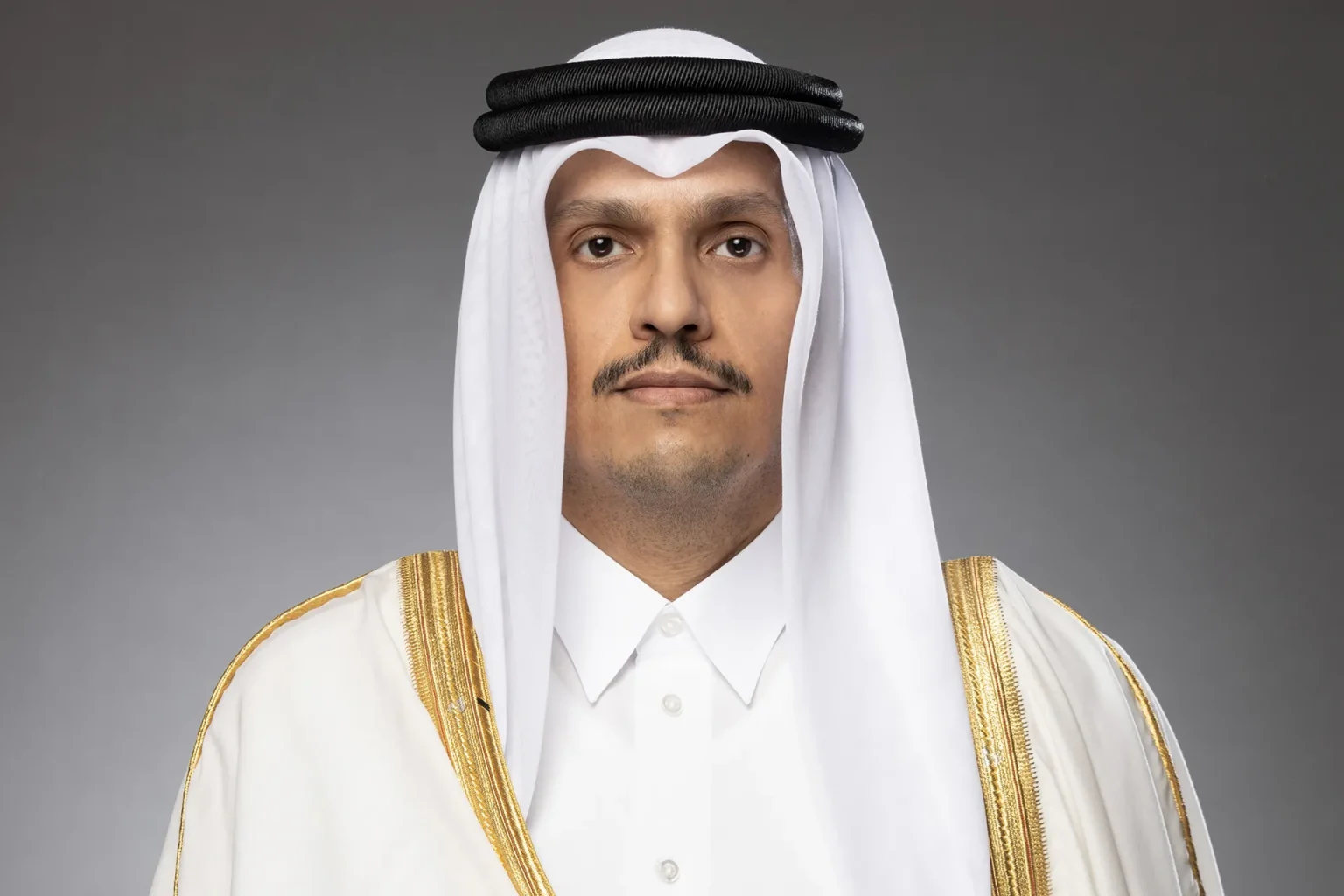
On Sunday, July 26, 2026, Qatar’s prime minister and foreign minister, Sheikh Mohammed bin Abdulrahman Al Thani, held a series of phone calls with senior officials across the Gulf and beyond as part of Qatar diplomatic efforts to reduce regional tensions. The talks focused on steps to lower hostilities, uphold freedom of navigation in the Strait of Hormuz and reinforce coordination among states, according to an official statement.
Who spoke to whom and what was discussed
Sheikh Mohammed phoned counterparts in Saudi Arabia, Turkey, the United Arab Emirates and Oman, the Qatari government said. Conversations included a call with Saudi Foreign Minister Prince Faisal bin Farhan, a discussion with Turkish counterpart Hakan Fidan, and exchanges with UAE ministers including Foreign Minister Sheikh Abdullah bin Zayed and Abu Dhabi deputy ruler Sheikh Tahnoun bin Zayed.
In a separate call, the Qatari minister spoke with Omani Foreign Minister Badr al-Busaidi about bilateral cooperation and joint coordination to support de-escalation, the ministry added. Officials emphasized adherence to diplomacy and the implementation of commitments reached in the US-Iran memorandum, particularly provisions affecting maritime security.
Qatar diplomatic efforts to lower regional tensions
Qatar diplomatic efforts have been prominent since Doha helped mediate a June memorandum between Washington and Tehran, officials said. The memorandum reportedly called for a halt to active combat and the start of talks toward a broader settlement, with provisions aimed at safeguarding commercial shipping and preventing further escalation.
Regional mediators, including Qatar and Pakistan, were credited by Qatari statements with facilitating the initial agreement. However, senior diplomats cautioned that sustaining a ceasefire and turning preliminary understandings into a durable accord will require continued diplomatic follow-through and verification measures, according to ministry briefings.
How the calls emphasized de-escalation and maritime security
Across the conversations, Sheikh Mohammed stressed the need for all parties to commit to dialogue and to implement agreed steps in the US-Iran memorandum, Qatari officials said. He underscored that honoring those understandings would help preserve recent gains and bolster Gulf security, including ensuring the free flow of commerce through the Strait of Hormuz.
De-escalation was a recurring theme in the calls. Saudi and Emirati interlocutors reportedly concurred on the importance of maintaining diplomatic channels, while Turkish officials reiterated Ankara’s interest in regional stability. Omani officials discussed mechanisms for cooperation that could support practical confidence-building measures.
Context: mediation, volatile incidents and diplomatic hurdles
Qatar’s outreach follows its role, alongside Pakistan, in mediating the June memorandum, which aimed to pause hostilities and open negotiations on a wider settlement, according to official accounts. The memorandum’s durability has since been tested by a series of maritime incidents in the Strait of Hormuz.
On July 8, the U.S. administration announced the end of the temporary halt to hostilities after a number of tanker attacks that Washington attributed to Iran, a move that U.S. officials said required a reassessment of security measures. Analysts note that such incidents complicate implementation of any ceasefire and increase the need for multilateral coordination on maritime security and incident prevention.
Implications for Gulf security and regional diplomacy
If implemented, the memorandum’s provisions could reduce the risk of miscalculation at sea and stabilize energy markets by protecting shipping lanes, experts said. Therefore, Qatar diplomatic efforts to sustain dialogue may be critical in bridging trust deficits and enabling verification mechanisms acceptable to both Western and regional parties.
Furthermore, greater coordination among Gulf states, Turkey and mediators could facilitate joint patrols, information-sharing arrangements and incident-response protocols. However, analysts warn that progress depends on parallel political will in Washington, Tehran and the capitals of Gulf states to move from a temporary truce to a negotiated settlement.
What to watch next
Observers should watch for follow-up diplomatic engagements, formal sessions to operationalize the memorandum and any confidence-building steps in the coming weeks. Qatar and its partners may announce technical working groups or observer arrangements to monitor maritime security and adherence to ceasefire commitments, Qatari statements suggest.
Additionally, any renewed incidents at sea or public reversals by principal actors could undermine the current framework and prompt emergency consultations. Therefore, regional actors’ next moves—whether bolstering verification arrangements or convening broader negotiations—will be a key indicator of the memorandum’s prospects.
Forward-looking conclusion
Qatar diplomatic efforts have shifted from mediation to active coordination among regional partners as officials seek to cement a fragile understanding between Washington and Tehran. While the June memorandum offers a pathway to reduced tensions, its success will hinge on concrete implementation, transparent verification and the avoidance of further maritime incidents. Stakeholders and markets alike should watch for concrete implementation steps and any scheduled diplomatic meetings in the weeks ahead.