




Qatar diplomatic outreach: Coordination with GCC partners on March 8, 2026
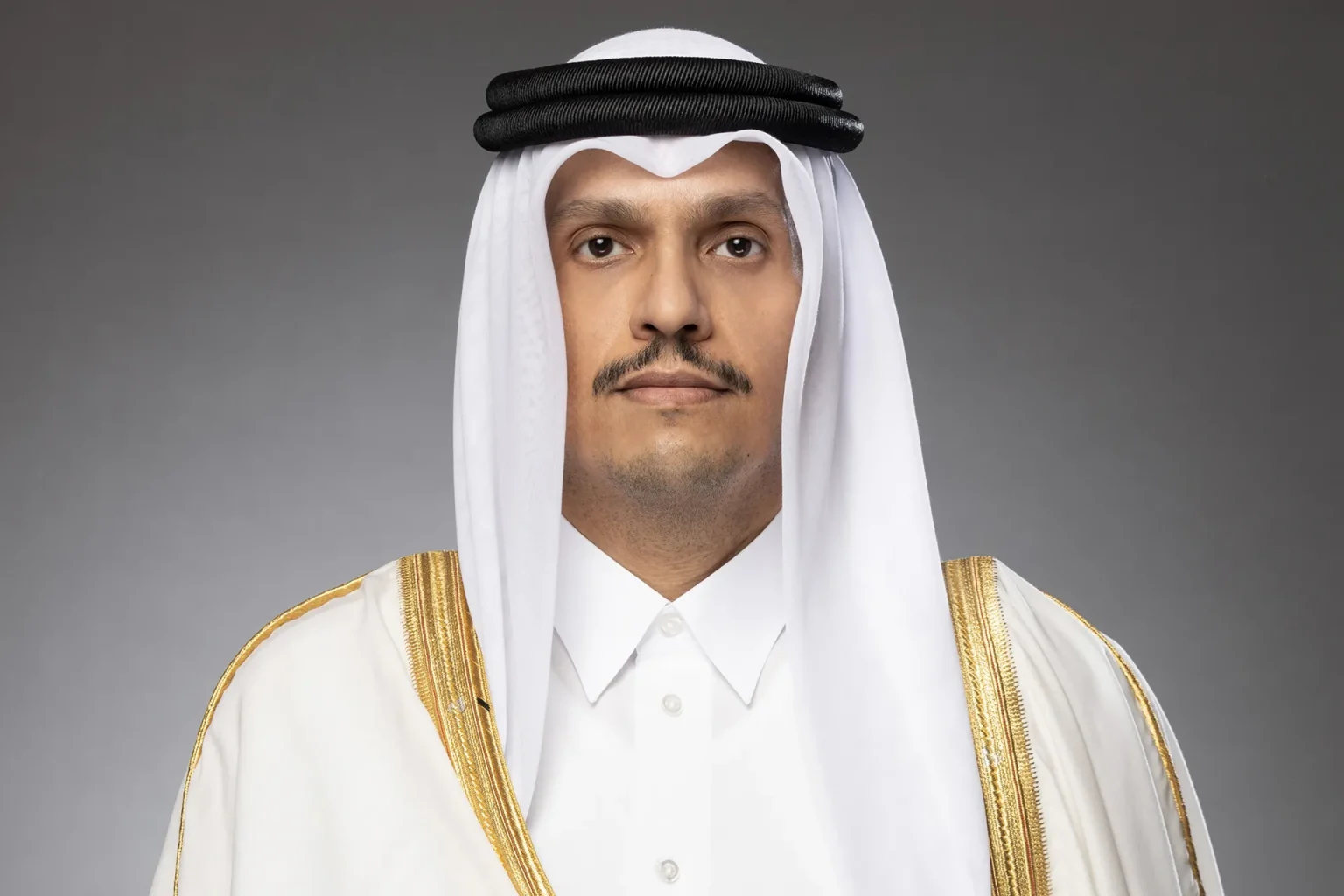
Qatar’s prime minister and minister of foreign affairs, Sheikh Mohammed bin Abdulrahman Al Thani, conducted a series of separate phone calls on March 8, 2026, with foreign ministers from the United Arab Emirates, Saudi Arabia, Kuwait, Oman and Bahrain as part of a broader Qatar diplomatic outreach. The conversations, the Qatari Ministry of Foreign Affairs said, reviewed regional developments and efforts to reduce tensions.
The ministry statement said the calls focused on bolstering cooperation among Gulf Cooperation Council states and coordinating diplomatic initiatives aimed at stabilizing the region. Officials said the discussions emphasized dialogue, maritime security and support for ongoing international diplomatic channels.
Topics discussed: De-escalation, US-Iran memorandum, and freedom of navigation
According to the ministry, the discussions covered the latest regional developments, including implementation of understandings outlined in the memorandum of understanding between the United States and Iran. Participants emphasized that diplomacy and dialogue should remain the primary means to address disputes and avoid further escalation.
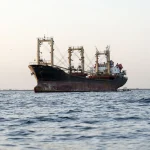
Sheikh Mohammed stressed the need to safeguard freedom of navigation in the Strait of Hormuz, the ministry noted. Ensuring safe passage through the strait was described as vital to regional security and global energy markets, and ministers agreed on the importance of coordinated diplomatic and practical measures to prevent incidents at sea.
GCC foreign ministers coordinate on de-escalation efforts
Officials involved in the calls underscored the role of GCC foreign ministers in aligning regional positions and supporting multilateral diplomacy. The conversations, the ministry said, included assessments of how Gulf states can collectively encourage restraint and back processes that lead to a durable reduction in tensions.
Gulf Cooperation Council ministers discussed steps to reinforce communication channels among capitals and with external partners. Furthermore, the calls reportedly touched on contingency planning for maritime security and how to ensure that commercial navigation and regional trade remain uninterrupted.
Background and regional context
Qatar’s outreach comes amid sustained diplomatic activity in the Gulf and broader Middle East, where multiple actors have pursued negotiations and confidence-building measures. While officials did not specify operational details, the statement framed the phone calls as part of ongoing efforts to de-escalate recent frictions and to create space for continued diplomacy.
Observers note that regional states have increasingly relied on a mix of bilateral and multilateral engagement, combining direct contacts with international mediation to manage crises. Therefore, coordination among GCC partners is viewed as a pragmatic approach to present unified positions and to support diplomatic tracks involving external powers.
Implications for maritime security and energy markets
Stressing freedom of navigation in the Strait of Hormuz links political diplomacy to tangible economic and security concerns. Any disruption in the strait could affect shipping routes and energy supplies, so ministers’ attention to maritime safety signals a priority to shield markets from instability.
Coordinated regional statements and practical measures — such as information sharing or joint maritime patrols — are options that Gulf states could explore. However, officials said that any such steps would be pursued through diplomatic channels and in line with international law to avoid unintended escalation.
Role of external partners
The memorandum of understanding referenced in the calls ties into broader international efforts to reduce regional tensions. According to the ministry, participants discussed how the GCC can support or complement international diplomatic initiatives while preserving regional perspectives and interests.
What the Qatar diplomatic outreach means for GCC unity
By convening separate but coordinated calls, Doha signaled a preference for maintaining active communication with each GCC partner. Analysts say this approach helps manage bilateral sensitivities while reinforcing an overarching commitment to regional stability.
Officials suggested that sustained dialogue among GCC foreign ministers could lead to harmonized responses to crises and clearer messaging in international forums. Therefore, the outreach may strengthen the council’s capacity to act collectively when diplomatic openings appear.
Next steps and what to watch
The ministry indicated that Qatar will continue to back efforts aimed at defusing tensions and supporting a comprehensive agreement that secures lasting peace and stability. Readers should watch for possible follow-up measures, including multilateral meetings, joint communiqués, or additional direct talks among Gulf capitals in the coming days and weeks.
Stakeholders will also be monitoring implementation of the US-Iran memorandum and any practical arrangements to enhance maritime security in the Strait of Hormuz. Further developments could include confidence-building initiatives, coordination with external partners, and formal GCC statements outlining collective positions.
In summary, Qatar’s diplomatic outreach on March 8, 2026, reflected an effort to coordinate GCC foreign ministers around de-escalation efforts and maritime security while supporting broader international diplomatic tracks. Officials said the aim is to preserve gains, protect regional interests and promote a path toward durable stability.