






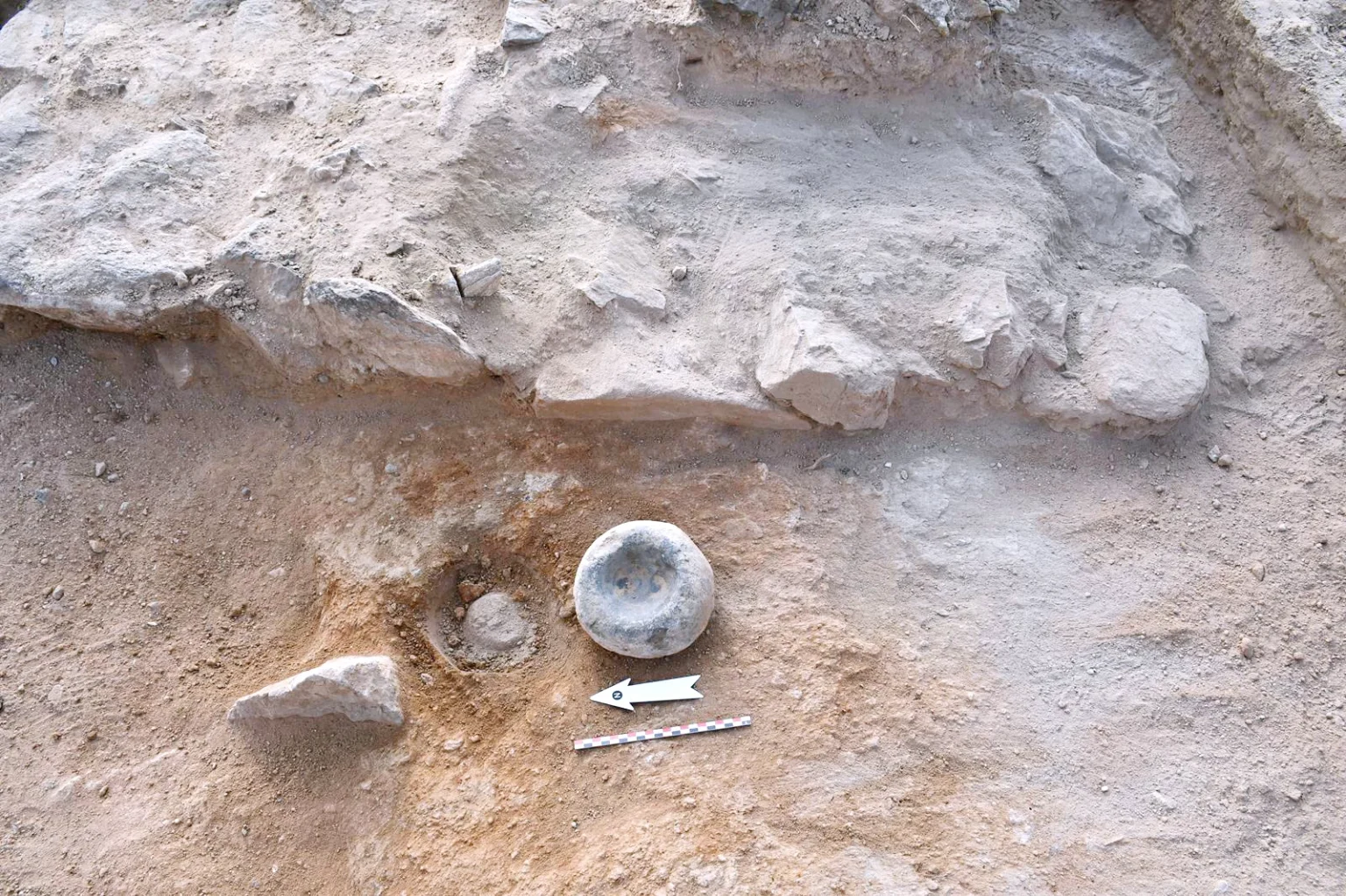

National Register of Antiquities update: 1,173 new archaeological sites added
The Heritage Commission announced the registration of 1,173 new archaeological sites in the National Register of Antiquities, bringing the total number of listed locations to 14,164. The update, disclosed in an official statement this week, covers multiple regions across the kingdom and reflects ongoing efforts to document and protect cultural assets.
The newly recorded sites are distributed across several provinces, including Mecca (87 sites), Medina (388 sites), Asir (42 sites), Tabuk (209 sites), Hail (130 sites), Najran (186 sites), and Al-Jawf (131 sites), according to the Heritage Commission. Officials said the move strengthens legal protection and planning for these archaeological sites.
How the National Register of Antiquities enhances cultural heritage protection
Registering sites in the National Register of Antiquities is a key step in formalizing cultural heritage protection, officials said. Therefore, the process enables statutory safeguards, clearer management procedures, and coordinated approaches to conservation and research.
By recording a site, the Heritage Commission can better regulate excavation, scientific study and permitted interventions. Additionally, registration helps mitigate risks from urban expansion and unauthorized activities that could harm archaeological remains.
Regional breakdown and implications for local planning
The regional distribution of the latest entries highlights areas with concentrated archaeological resources, with Medina and Tabuk accounting for a large share. Meanwhile, provinces such as Najran and Al-Jawf also saw substantial additions, underscoring diverse historical layers across the kingdom.
Registration supports urban and regional planners by flagging areas where development projects may intersect with heritage assets. Furthermore, it informs environmental and infrastructure assessments, which can then incorporate conservation measures to avoid or mitigate damage to archaeological sites.
Support for research, tourism and cultural investment
Inclusion in the National Register of Antiquities often opens opportunities for controlled archaeological research and academic collaboration. This documentation is also a preliminary step toward developing cultural tourism initiatives, where appropriate.
Officials noted that registered sites may become eligible for targeted conservation funding and managed visitor access, thereby balancing preservation with potential cultural tourism and educational uses. Relatedly, cultural heritage protection frameworks can attract sustainable investment in site management and interpretation.
Process, responsibilities and public engagement
The Heritage Commission indicated that site registration follows field surveys, documentation and expert review, forming part of a broader heritage documentation strategy. The register provides a centralized record that supports enforcement and long-term stewardship.
Officials urged residents and visitors to report any archaeological finds or activities that could threaten sites. Public reporting helps authorities identify undocumented locations and respond more quickly to potential damage or looting.
Context: why expanding the register matters
Expanding the National Register of Antiquities strengthens the institutional framework for heritage management and signals a commitment to preserving the kingdom’s historical identity. In contrast to ad hoc responses, a comprehensive register allows for systematic prioritization of conservation actions.
Furthermore, thorough heritage documentation enhances the kingdom’s presence in international cultural dialogues and may support collaboration with foreign research institutions. The report indicates that the Heritage Commission sees the register as foundational to achieving national cultural development goals.
Related priorities and secondary keywords
Officials connected the update to broader aims including cultural heritage protection and improved heritage documentation. These priorities align with efforts to integrate archaeological sites into sustainable development plans while safeguarding their authenticity.
What to watch next: timelines and expected follow-up
Stakeholders should watch for detailed inventories and technical reports from the Heritage Commission that describe the newly registered sites and the criteria used. Over the coming months, the commission is expected to publish guidance on permitted activities near registered sites and plans for further documentation.
Additionally, authorities may announce pilot conservation projects or partnerships to investigate and stabilize priority sites. Therefore, researchers and local communities should monitor official channels for calls to collaborate or opportunities to participate in preservation initiatives.
For more information or to report a site, the public can consult the Heritage Commission’s official channels and online resources. According to the commission’s statement, community reporting remains a practical component of ongoing archaeological site protection and the maintenance of the National Register of Antiquities.