






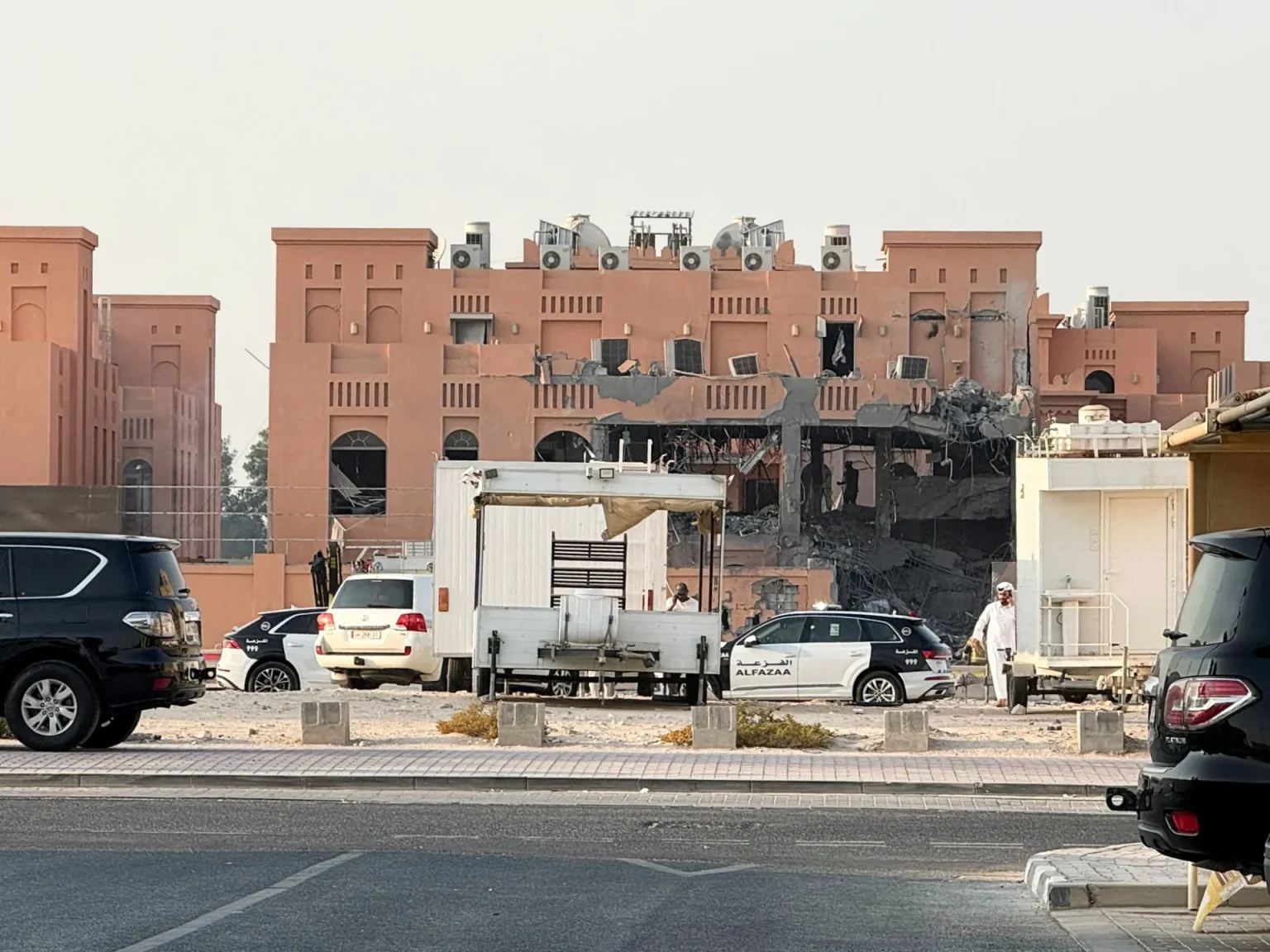

Israel’s Attack on Doha and its Implications
In an unsettling development, Israeli Prime Minister Benjamin Netanyahu recently boasted about the military attack on Doha, Qatar, marking the first direct Israeli military strike on the capital. This statement, made during an interview with i24 News, raises critical questions about Qatar’s role in regional diplomacy and its sudden transformation into a target of Israeli aggression. As the anniversary of this striking incident approaches, the motivations behind Israel’s actions warrant closer examination.
The Context of the Attack
On September 9, 2025, an Israeli airstrike targeted residential buildings in Doha, where leaders from Hamas were reportedly discussing a U.S. proposal to halt hostilities in Gaza. This unprecedented act of aggression not only violated international laws but also contravened diplomatic norms, as Qatar is a UN member with no direct borders to Israel. The assault prompted widespread international condemnation and was viewed as an escalation of tensions in a region already marked by conflict.
Following the airstrike, Qatari officials, including the Minister of Foreign Affairs, Sheikh Mohammed bin Abdulrahman Al Thani, denounced the attack as state terrorism aimed at destabilizing regional security. The Qatari leadership emphasized that such actions contradict established international laws and ethical standards.
Qatar’s Diplomatic Role in the Region
Historically, Qatar has positioned itself as a key mediator in several regional conflicts. The attack on Doha is seen as a direct challenge to its diplomatic efforts, especially in facilitating negotiations related to Hamas. Despite facing adversities, including military aggression, Qatar has continued to assert its role as a reliable international intermediary.
In fact, shortly after the airstrike, Qatar was instrumental in brokering a ceasefire in October 2025 that led to the release of all living Israeli prisoners by Hamas. This unexpected turn of events highlights the paradox of Qatar being both targeted for its association with Hamas and simultaneously playing a crucial role in peace negotiations.
The Underlying Motivations for Targeting Qatar
The Israeli government, led by Netanyahu—who faces serious accusations of war crimes—has frequently questioned Qatar’s motivations in mediating between conflicting parties in the Gaza crisis. Netanyahu’s comments indicating that Qatar could exert more pressure on Hamas to release Israeli captives suggest an underlying agenda to undermine Qatar’s influence as a mediator. Furthermore, Israeli efforts appear designed to diminish Qatar’s standing on the international stage.
Israeli scrutiny of Qatar intensified following ongoing military operations in Gaza. This marked a shift in diplomatic tactics, as Israel sought to challenge Qatar’s role through both political and media pressure. Tactics included criticizing Qatar publicly while simultaneously attempting to restrict the operations of the Al Jazeera network, which has been critical of Israeli actions in Gaza.
Al Jazeera’s Role and Challenges in Reporting
Amid the tensions, Al Jazeera’s operations have faced significant challenges from the Israeli government. Recent decisions included extending the closure of the network’s bureau in Jerusalem and enforcing legal measures to limit its coverage of the conflict. Furthermore, Al Jazeera journalists have come under direct threat in the field, with several losing their lives due to the ongoing violence. This targeting highlights the precarious environment faced by media organizations striving to report on sensitive geopolitical issues.
The Israeli government’s campaign against Al Jazeera is seen as an attempt to stifle dissent and control the narrative concerning its military operations and regional policies. As such, the network remains in the spotlight, continually navigating the fine line between reporting the truth and facing governmental restrictions.
Looking Ahead: What’s Next for Qatar?
Despite attempts to neutralize Qatar’s diplomatic efforts, its active engagement in peace negotiations continues. Qatar is expected to play a pivotal role in upcoming discussions regarding stability in the region, particularly with the United States and regional powers. By fostering relations and facilitating dialogues, Qatar aims to reinforce its position as a central player in Middle Eastern diplomacy.
As tensions persist, observers should keep an eye on Qatar’s interactions with international stakeholders and its responses to continued Israeli pressure. The unfolding situation may define not only Qatar’s future role in regional politics but also the broader dynamics of Middle Eastern diplomacy.