






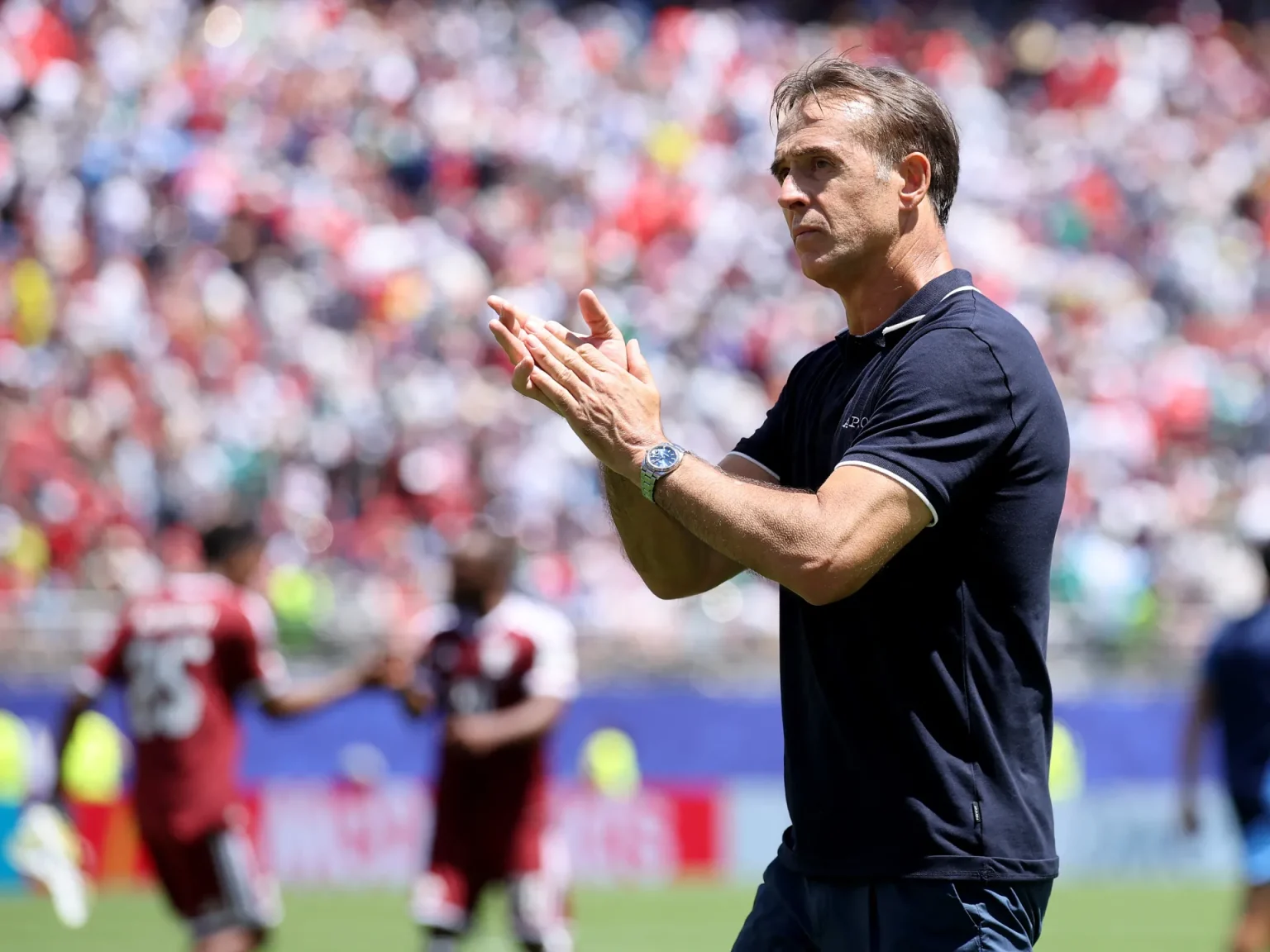

Qatar World Cup 2026: Lopetegui downplays pressure after Switzerland draw
Qatar coach Julen Lopetegui said his team will enjoy the experience rather than yield to pressure at the Qatar World Cup 2026, speaking in Vancouver on June 18 ahead of their Group B match against host nation Canada. The comments followed a 1-1 opening draw with Switzerland in Santa Clara, where Qatar secured a late equaliser to claim its first point at the tournament. Lopetegui emphasized energy and competitiveness as his priorities.
Coach’s assessment and immediate implications
Lopetegui told reporters that some opponents appeared relieved to be drawn into Qatar’s group, but his squad will focus on competing and making the most of the occasion. He said the team has moved on from the Switzerland match and is concentrating on Canada, whose attacking style and intensity will require tactical adjustment. According to the coach, the squad must channel its energy in the right direction ahead of the next fixtures.
Meanwhile, the draw with Switzerland provided Qatar with momentum and a psychological boost. The late goal in Santa Clara not only avoided defeat but also underlined the team’s resilience, Lopetegui noted. The result alters the group dynamics and raises expectations for the upcoming Canada match, which takes place in Vancouver, one of the tournament’s host cities.
Tactical outlook for the Canada game
Lopetegui outlined key challenges posed by Canada, describing the CONCACAF side as aggressive in attack and relentless in pressing opponents. He said Canada possesses standout offensive players and that Qatar must be well prepared to both absorb pressure and exploit transitions. Tactical emphasis will likely fall on maintaining compact defensive shape while seeking quick outlets through midfield.
Qatar’s adjustments after Switzerland appear to include clearer defensive responsibilities and sharper counterattacking patterns. Additionally, Lopetegui indicated that match preparation will take into account Canada’s physical approach, with an emphasis on discipline in possession and minimizing turnovers in dangerous areas. These measures reflect pragmatic planning rather than any dramatic formation overhaul.
Qatar national team development and lessons from 2022
The Qatar national team arrived at this World Cup with a different profile compared with 2022, when the country hosted the tournament and exited after three group-stage losses. Midfielder Abdelaziz Hatem recalled that the 2022 campaign came with exceptional pressure and inexperience. He said the current squad benefits from greater preparation and mental readiness, suggesting progress in maturity and tactical understanding.
Furthermore, Qatar’s broader football program — including investments in coaching and youth development — has been highlighted by officials as part of a longer-term strategy. While the 2022 experience remains a reference point, Lopetegui and players have framed the current campaign as an opportunity to demonstrate competitiveness on merit rather than hosting status.
Group B context and scenarios
After two opening draws in the group, both Qatar and Canada remain in search of their first win, while Switzerland’s opener leaves them with work to do. The standings are tight, and one result in Vancouver could significantly reshape qualification scenarios for the knockout stages. Teams will be watching for how each side balances attack and caution in what is now a compressed group race.
Analysts note that the late goal against Switzerland gives Qatar an advantage in psychological terms — the team showed it can respond under pressure. Conversely, Canada must break through and claim a first victory to assert control of its home-group ambitions. The match’s tactical narrative may hinge on which side can impose its tempo and avoid costly mistakes.
Key players and squad notes
Lopetegui has praised several players for their recent form and adaptability, stressing the need for a collective effort rather than dependence on any single individual. Abdelaziz Hatem’s comments about experience suggest midfield cohesion will be central to Qatar’s plans. Defensive organisation and the ability to transition quickly into attack were identified as priorities during training sessions in Vancouver.
Meanwhile, Canada’s lineup is expected to feature established attacking options who thrive on quick combinations and pressing. Match fitness and handling moments of high intensity will be decisive, according to team assessments. Both coaches are likely to balance risk and caution given the stakes in a three-team host group.
What to watch: tactics, set pieces, and momentum
Viewers should watch how Qatar handles Canada’s pressing triggers and how Lopetegui sets his side to exploit counters. Set-piece delivery and defending could prove decisive in a match that may be tightly contested. Additionally, game management in the closing stages — as in the Switzerland match — could determine whether Qatar converts competitiveness into points.
Furthermore, substitutions and in-game adjustments will reveal which coach better reads the match tempo. Given the compressed group situation, managing player fatigue and avoiding cards will also matter as teams prepare for subsequent matches within days.
Conclusion and next steps
Qatar enters the Canada match intent on building from its draw with Switzerland and on showing it belongs at the Qatar World Cup 2026 stage, according to Lopetegui and players. The immediate next step is the Vancouver fixture, which will clarify group standings and tactical trends. Fans and analysts should watch for how Qatar balances defensive solidity with attacking ambition and whether the team can turn its energy into a first win in the group phase.