



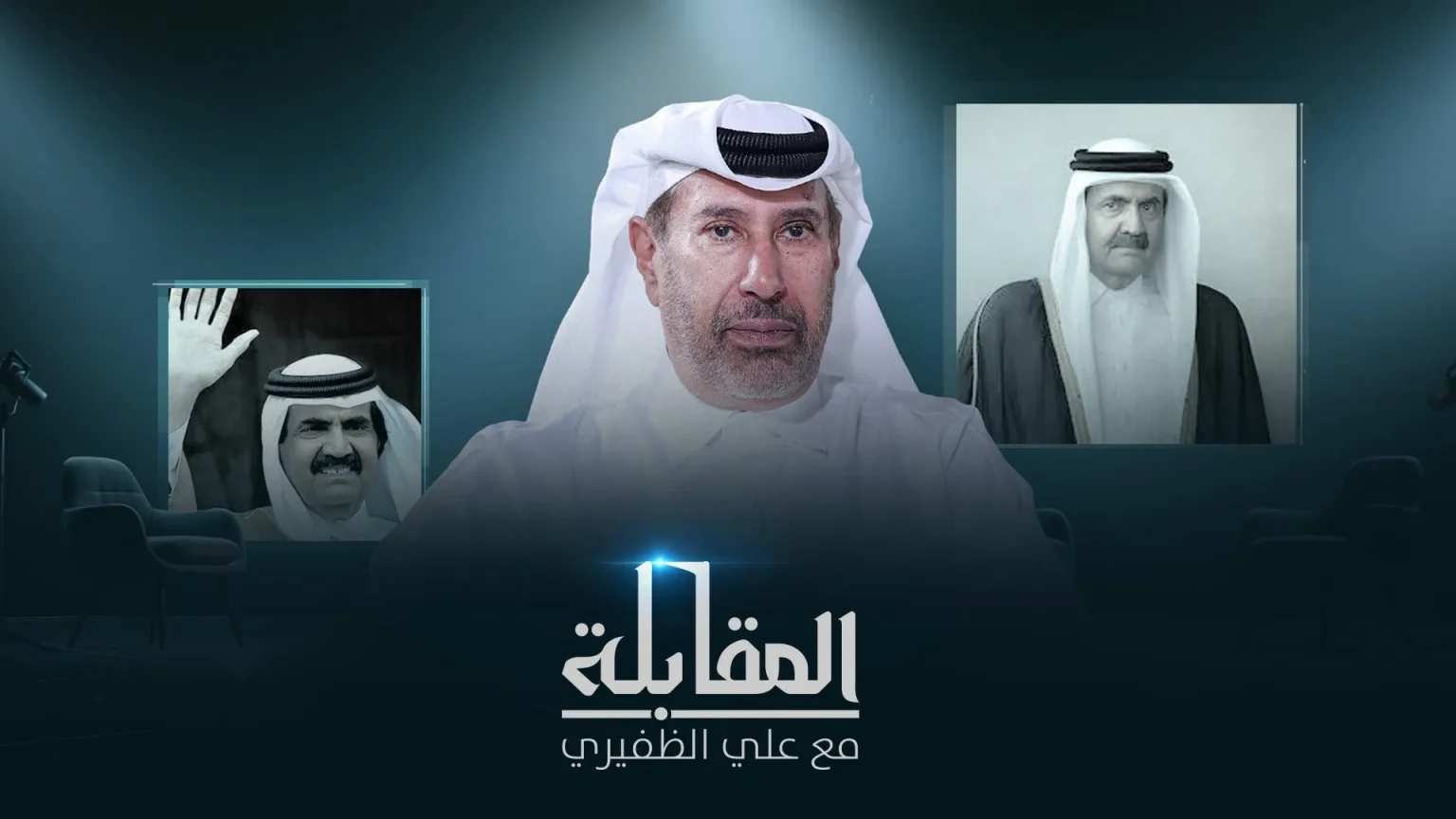

Sheikh Hamad bin Jassim bin Jaber Al Thani spoke not as a former prime minister and foreign minister this time, but as a longtime friend mourning the recent farewell of Sheikh Hamad bin Khalifa Al Thani. In a special broadcast of “The Interview” with Ali Al Dhafeeri, the former official reflected on a partnership that shaped Qatar’s modern trajectory and on what he called the central elements of the Hamad bin Khalifa legacy.
The conversation, which emphasized memories over politics, traced more than four decades of collaboration in Doha. Sheikh Hamad bin Jassim recounted how their relationship evolved from childhood ties to close policy partnership from the early 1980s, and he described the recent departure of the former ruler as a defining moment for both family and state.
Hamad bin Khalifa legacy
According to Sheikh Hamad bin Jassim, the Hamad bin Khalifa legacy rests on institution-building, strategic economic bets and a governance culture that prioritized the state above personal or short-term gains. He said the late emir often repeated that “my family is Qatar,” and that principle, the speaker added, shaped major policy choices that guided the country through a period of rapid change.
Observers and officials familiar with Qatar’s transition have highlighted similar themes: a deliberate effort to modernize administration and public services, invest sovereign revenues in infrastructure and long-term assets, and cultivate a leadership style that rewarded results over blame for isolated errors. Those who worked with the emir, according to Sheikh Hamad bin Jassim, were expected to focus on outcomes rather than individual mistakes.
Building modern institutions and Qatar modernization
Sheikh Hamad bin Jassim described Qatar in the early 1980s as stable but without the institutional depth needed for sustained growth. The administration moved to reorganize the judiciary, streamline civil service operations and create smaller advisory teams that tested policy options before decisions were taken. These reforms, he said, laid the groundwork for Qatar modernization and a more disciplined public sector.
Those institutional changes provoked debate at the time, the former official added, but supporters argued they were necessary to anchor economic growth and public accountability. In practice, the approach encouraged long-term planning and allowed a core team to remain in place for extended periods, ensuring continuity across major projects and policy cycles.
Long-term economic vision and North Field gas investment
A central pillar of the leadership’s economic strategy, Sheikh Hamad bin Jassim said, was a willingness to pursue projects with payoffs that would appear only over decades. The North Field gas investment was singled out as the most consequential example: at a time of tight public finances and low oil prices, officials pushed to develop the gas reserves as a strategic source of future revenue.
Rather than distribute windfalls as consumption spending, the regime directed hydrocarbon proceeds into infrastructure and into the Qatar Investment Authority, which became one of the world’s largest sovereign wealth funds. That long-term approach is a recurring theme in assessments of the Hamad bin Khalifa legacy and continues to inform economic policy choices today.
Founding Al Jazeera and media independence
On media policy, Sheikh Hamad bin Jassim recalled the decision to establish Al Jazeera as reflecting a conviction that Qatar needed an independent regional platform. He said the channel faced political pressure and offers to be shut down or acquired, but the emir maintained its operation as part of a broader belief in freer public discourse.
The administration also took steps to deregulate state control of media, including abolishing the ministry responsible for information, according to the former minister. That move, he argued, was consistent with an effort to modernize public institutions and position the country as a hub for independent regional coverage.
Governance style and crisis management
Sheikh Hamad bin Jassim highlighted personal traits he attributed to the emir that influenced governance: careful listening to diverse views, decisiveness once convinced, and the willingness to reverse course if evidence warranted. The former official said the ruler preferred comprehensive problem assessments over temporary fixes and sought to address structural causes even when solutions were politically difficult.
That style, he added, fostered durability in leadership teams and encouraged a merit-based measurement of performance tied to outcomes. It also enabled long-term projects to proceed through political cycles and economic volatility.
Transfer of power and generational renewal
The 2013 transfer of authority to Sheikh Tamim bin Hamad Al Thani was described by Sheikh Hamad bin Jassim as a deliberate and bold choice that reflected a long-standing plan for leadership renewal. The former official said the emir considered the move for years and saw it as a way to preserve the state’s developmental project while refreshing its leadership.
After stepping down, the former ruler reportedly refrained from intervening in daily governance, choosing instead to monitor the state’s progress and ensure continuity. Sheikh Hamad bin Jassim said he saw in Sheikh Tamim an extension of the same project rather than a rupture, and he expressed satisfaction with the direction the country continued to take.
Human details and national identity
The interview also underlined personal anecdotes that, according to Sheikh Hamad bin Jassim, reveal the emir’s character: a strong memory, loyalty to old acquaintances, and a readiness to apologize when he believed he had erred. He noted ongoing attention to cultural projects such as market rehabilitation, museums and investments in education and health, which reinforced the state’s social fabric.
These cultural and civic investments are part of what supporters cite when they assess the Hamad bin Khalifa legacy, as they link economic modernization with efforts to preserve a distinct national identity while opening the country to global exchange.
Looking ahead, observers should watch official commemorations and government statements in the coming weeks for indications about how leadership will frame the emir’s impact and which elements of his policy agenda will be emphasized. Continued attention to infrastructure projects, sovereign investment strategy and regional diplomacy will signal how the legacy informs current governance.