






Regional condemnation of Iranian attacks
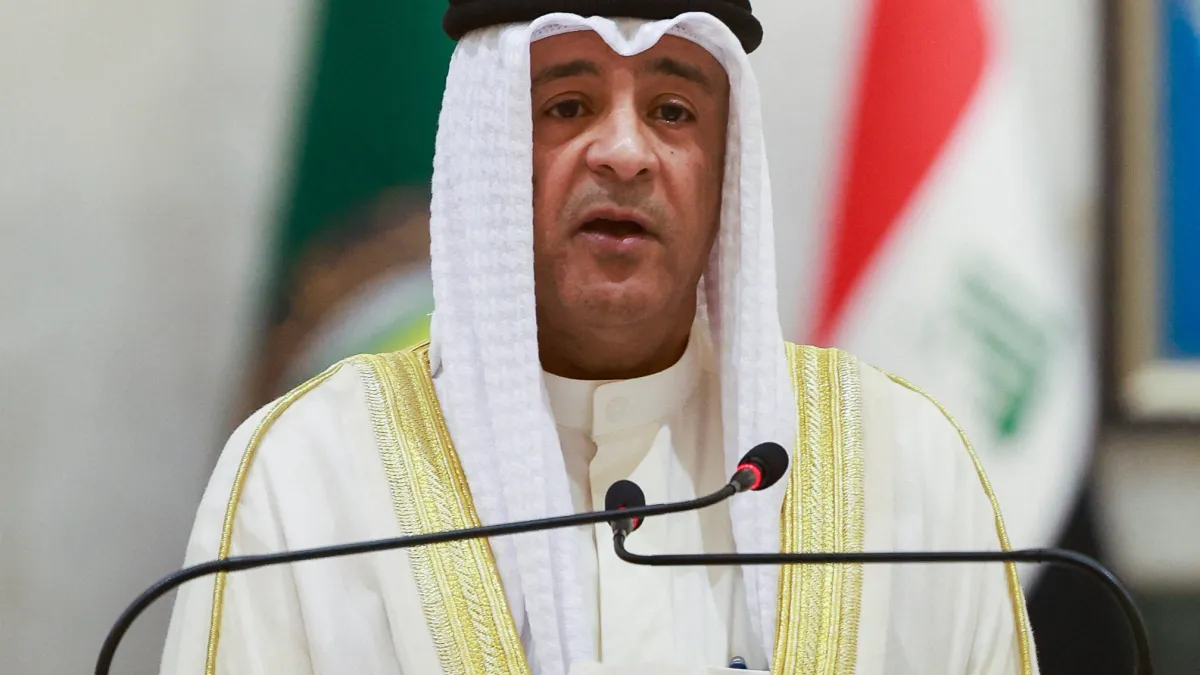
On 18 July 2026, the Gulf Cooperation Council secretary-general Jassim Mohammed Al-Budaiwi strongly condemned the Iranian attacks that targeted Kuwait, Bahrain and Jordan, calling them “war crimes” that demand immediate international accountability. The Iranian attacks, which officials say included missile and drone strikes, also struck civilian energy and water facilities, prompting an outcry from Gulf states and international partners.
Several Gulf foreign ministries released statements within hours, denouncing the strikes as flagrant violations of sovereignty and international law. Qatar, Kuwait, the United Arab Emirates and Saudi Arabia each issued sharp condemnations, and the GCC said it stands united with the affected countries in defending their territorial integrity.
Main keyword: Impact and scale of Iranian attacks
Authorities reported that the Iranian attacks hit power generation and desalination infrastructure in Kuwait and struck targets in Bahrain and Jordan, causing fires and widespread disruptions to essential services, according to official statements. The strikes came amid Tehran’s claims that recent U.S. operations inside Iran justified retaliatory measures, a rationale rejected by the governments of the countries targeted.
Meanwhile, emergency responders in affected areas prioritized extinguishing fires and securing damaged installations, and officials warned of extended outages and possible public health risks if desalination facilities remain offline. The targeting of such assets intensified regional fears about the vulnerability of critical infrastructure during heightened military confrontations.
Targeting of critical infrastructure and civilian impact
Governments and international observers stressed that the deliberate targeting of civilian infrastructure can have long-term humanitarian and economic consequences. The Gulf Cooperation Council and several ministries described the strikes as deliberate attacks on critical infrastructure, which international humanitarian law seeks to protect.
Experts note that damage to power plants and water distillation facilities can quickly translate into broader disruptions for hospitals, transportation and commerce. Therefore, the strikes risk deepening instability by impairing essential services and increasing pressure on local authorities to maintain public order and safety.
Legal, diplomatic and security implications
Official statements framed the attacks as violations of the United Nations Charter and, in some cases, as war crimes that warrant international investigation and accountability. The GCC secretary-general urged immediate steps to hold perpetrators to account, and affected states warned they reserve the right to take measures to protect their sovereignty and citizens.
Diplomatically, the strikes are likely to harden positions across the region and complicate ongoing mediation efforts aimed at de-escalation. Several Gulf states called for an immediate cessation of hostilities and a return to dialogue; meanwhile, Western allies and international organizations may face pressure to consider sanctions, collective security measures or referrals to international legal forums.
Security posture and military readiness
In response to the attacks, regional militaries are likely to review force protection measures and air-defense postures, according to analysts. Naval and air assets that patrol regional shipping lanes and airspace may be repositioned to deter further strikes and protect vital installations.
Furthermore, the incidents could prompt consultations in international bodies, including possible Security Council deliberations, as countries weigh diplomatic and legal options. However, officials have been careful to avoid definitive statements about specific international actions pending further assessment and verification.
Gulf Cooperation Council unity and international reactions
The coordinated condemnations highlighted the Gulf Cooperation Council’s emphasis on collective response and mutual support among member states. The GCC said it supports all measures that protect the sovereignty and territorial integrity of its members and expressed readiness to coordinate with international partners to restore stability.
Outside the region, governments and international institutions expressed concern over the escalation and urged restraint. Statements from foreign ministries and multilateral bodies emphasized the need to avoid wider conflict and to prioritize civilian protection, underscoring the potential for regional spillover if tensions continue.
What to watch next
Observers will monitor several developments in the coming days: official damage assessments from affected countries, any formal requests for international assistance, and potential Security Council activity. Additionally, diplomatic channels between regional capitals and external powers will be important to watch for signs of de-escalation or further friction.
Governments may also announce heightened alert levels, civil protection measures, or temporary restrictions to safeguard critical infrastructure. Therefore, residents and businesses in the region should expect official updates about service restorations and safety advisories in the short term.
Conclusion and forward-looking outlook
The Iranian attacks have amplified regional tensions and underscored vulnerabilities in critical infrastructure, prompting united condemnation from the Gulf Cooperation Council and its member states. Looking ahead, the immediate focus will be on humanitarian mitigation, infrastructure restoration and diplomatic efforts to prevent further escalation.
Stakeholders should watch for coordinated international responses, possible legal steps urged by affected governments, and whether diplomatic initiatives can open channels for de-escalation within weeks. Meanwhile, authorities in the Gulf will likely maintain heightened security postures while seeking multilateral support to protect civilians and essential services.