







Bahrain Ministry of Municipalities and Agriculture strengthens private sector ties
Officials from the Bahrain Ministry of Municipalities and Agriculture met recently with leaders of the Bahrain Chamber of Commerce and Industry to reinforce cooperation on economic development and public services. The meeting, according to a ministry statement, focused on accelerating administrative procedures, improving service quality for citizens and investors, and expanding private sector partnership in sustainable development.
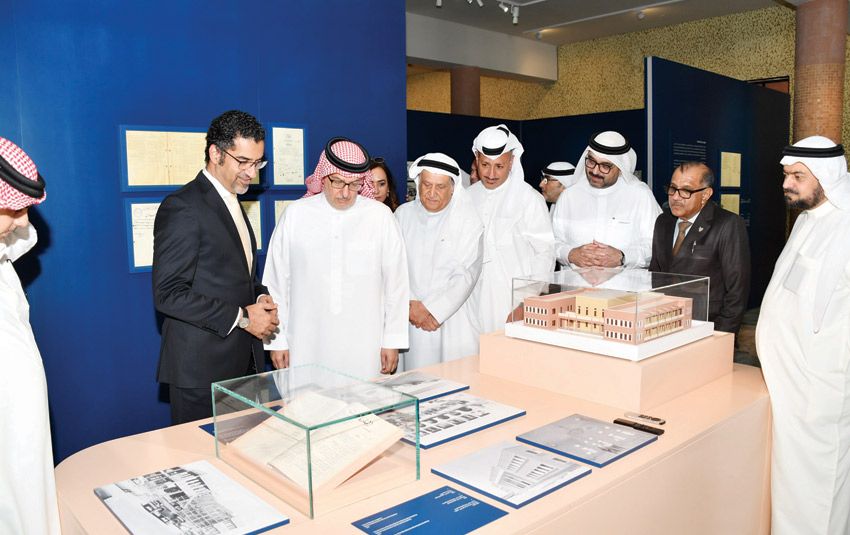
The session took place at the municipal headquarters in Manama and included senior ministry officials and the chamber’s board members. Attendees reviewed shared priorities and toured the historic Manama Municipality building and a municipal exhibition documenting decades of municipal work.
Why the Bahrain Ministry of Municipalities and Agriculture prioritizes collaboration
Ministry leaders said the Bahrain Ministry of Municipalities and Agriculture views the private sector as a key driver of sustainable growth, and that formal ties with the Bahrain Chamber of Commerce and Industry help translate policy into tangible outcomes. Therefore, officials emphasized continued coordination to support investment, streamline services, and enhance the business environment.
Furthermore, the ministry highlighted that coordinated efforts can reduce friction in administrative processes and speed transaction delivery for residents and businesses. According to the ministry, clearer channels of communication with the chamber will help identify regulatory bottlenecks and pilot solutions that benefit both government operations and commercial activity.
Cooperation with Bahrain Chamber of Commerce and Industry on economic development
During the meeting, representatives discussed joint initiatives aimed at bolstering Bahrain’s economic resilience and attracting investment. The Bahrain Chamber of Commerce and Industry’s leadership expressed appreciation for the ministry’s outreach and stressed the importance of regular dialogue to support the private sector.
Officials said that by aligning municipal planning and agricultural policies with business needs, the partnership can unlock new opportunities for local entrepreneurs and foreign investors. Additionally, the chamber and ministry explored ways to collaborate on sector-specific programs, regulatory reforms, and targeted support for small and medium-sized enterprises.
Streamlining municipal services and administrative efficiency
One of the primary topics was the improvement of municipal services and the acceleration of administrative procedures. The ministry outlined ongoing efforts to digitize workflows, reduce processing times, and raise service standards at municipal counters and online platforms.
Chamber members discussed practical measures to simplify permits, inspections, and approvals that affect businesses. Officials indicated that enhanced coordination could shorten approval cycles and lower compliance costs, thereby making Bahrain more competitive as a destination for business and investment.
Private sector partnership and sustainable development goals
Both sides reiterated the private sector partnership as essential for achieving national sustainability objectives. The ministry noted that collaboration with the Bahrain Chamber of Commerce and Industry supports integrated planning across urban development, agriculture, and environmental stewardship.
Officials suggested that public–private cooperation can help scale projects in waste management, green infrastructure, and food security. Meanwhile, chamber representatives highlighted opportunities for companies to contribute expertise and funding to community-focused initiatives consistent with the kingdom’s development agenda.
Preserving municipal heritage and public engagement
On the sidelines of the meeting, the chamber’s board toured the historic Manama Municipality building and visited a municipal exhibition that traces the evolution of local government services. The visit underscored how municipal heritage can complement modern governance and civic engagement efforts.
Officials said showcasing institutional history helps raise public awareness about municipal roles and achievements. In addition, the ministry noted that preserving architectural and cultural assets supports broader objectives in tourism, urban regeneration, and community identity.
Practical outcomes discussed
Topics reviewed included joint workshops, information exchanges to identify regulatory pain points, and pilot projects to test streamlined permitting approaches. The ministry indicated that such measures would be designed to improve transparency, predictability, and investor confidence.
The chamber agreed to provide sector feedback and to work with the ministry on outreach to business members. According to officials, these steps aim to foster a more responsive municipal framework that reflects private sector needs while upholding regulatory standards.
Implications for investors, residents and municipal stakeholders
Greater alignment between the Bahrain Ministry of Municipalities and Agriculture and the Bahrain Chamber of Commerce and Industry could lower transaction costs and enhance service delivery for residents and investors. This collaboration may also accelerate project approvals and support faster implementation of municipal and agricultural programs.
For businesses, improved procedures and clearer lines of engagement with municipal authorities can reduce uncertainty and provide a more stable operating environment. For residents, the anticipated quality improvements in municipal services mean quicker access to permits, clearer service standards, and potentially better local infrastructure.
What to watch next
Officials said stakeholders should watch for announcements about specific cooperative initiatives and pilot reforms emerging from the ministry-chamber dialogue. Therefore, observers can expect follow-up meetings, technical working groups, and public communications outlining timelines for service enhancements.
Finally, the ministry indicated that there will be ongoing consultation with private sector representatives to monitor progress and adapt reforms as needed. Readers should look for updates from both the ministry and the chamber on next steps and implementation milestones.