






Strait of Hormuz: GCC Ministers Hold Virtual Consultations
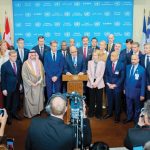
Gulf Cooperation Council foreign ministers met virtually on July 28, 2026, to discuss recent developments affecting the Strait of Hormuz, officials said. The meeting, which included Qatar’s prime minister and foreign minister Sheikh Mohammed bin Abdulrahman Al Thani, focused on measures to protect freedom of navigation and ensure maritime security in the busy waterway.
Qatar’s Ministry of Foreign Affairs said participants exchanged views on ongoing negotiations in the region and on practical steps to reduce tensions. The ministers emphasized diplomatic and political solutions while exploring cooperative measures that would safeguard shipping and commercial flows through the strait.
GCC Coordination and Maritime Security
Ministers reviewed options to strengthen coordination among Gulf Cooperation Council states on patrolling and information-sharing related to maritime security. Officials discussed mechanisms to preserve the rights of innocent passage and uninterrupted transit of vessels, according to the ministry statement.
Additionally, the meeting considered legal frameworks consistent with international law that would protect sovereign rights of littoral states while upholding the freedom of navigation that traders and energy markets depend on. The ministers also explored ways to accelerate regional confidence-building measures to prevent incidents at sea.
Diplomatic Consultations and Talks with Iran
Delegations noted recent diplomatic activity, including an Omani diplomatic mission to Tehran last week aimed at discussing arrangements to regulate and manage shipping through the Strait of Hormuz. That visit, officials said, focused on establishing a practical mechanism for coordinating navigation safety between Iran and neighboring states.
Participants stressed the need for sustained diplomatic consultations and communication channels to de-escalate military confrontations and to build trust. Furthermore, ministers urged that political and diplomatic avenues be prioritized to create conditions conducive to negotiated understandings on maritime management.
Regional Tensions and Recent Hostilities
The meeting took place amid renewed military exchanges following the resumption of strikes by the United States earlier this year, which officials link to an escalation that began on February 28, 2026. Iran has since launched missile and drone strikes on several Gulf states and Jordan, actions Tehran describes as targeting U.S. bases, while affected states report civilian infrastructure hit in some attacks.
GCC members and Jordan last Thursday asked the United Nations Security Council to adopt an urgent resolution demanding an immediate halt to these attacks and to recognize the right of affected states to defend themselves, according to a joint appeal. The ministers at the virtual meeting reiterated that sustained attacks on ports, energy installations, and desalination plants pose risks to regional stability and commercial shipping.
Freedom of Navigation and Commercial Impact
Shipping industry watchers and regional officials told the meeting that disruptions in the Strait of Hormuz could have immediate effects on global energy markets and supply chains. The ministers reviewed how to maintain safe commercial transit and reduce the risk of collateral damage to civilian maritime infrastructure.
They also discussed coordinated contingency planning to keep trade routes open, including enhanced information-sharing with commercial operators and port authorities. These steps, ministers said, aim to limit economic fallout and preserve confidence in international shipping lanes.
Possible Practical Measures and Legal Frameworks
Options considered during the consultations included joint maritime surveillance, agreed safety corridors, and mechanisms for incident investigation to avert escalation after maritime incidents. Officials highlighted that any practical arrangement should conform with international maritime law and respect coastal states’ sovereignty.
Ministers emphasized that agreed protocols for notification and passage could reduce miscalculation risks and provide predictable procedures for managing routine and emergency movements through the Strait of Hormuz. They also discussed the potential role of regional coordination centers to facilitate rapid communication.
Implications for International Diplomacy and Security
Foreign ministers acknowledged that the situation in and around the Strait of Hormuz carries broader implications for international security and energy markets. They urged the international community, including the United Nations and relevant partners, to support diplomatic efforts that reduce military confrontations and promote regional stability.
Observers said any move toward a practical navigation regime would likely require parallel de-escalatory steps and confidence-building measures between Tehran and Gulf capitals. In the interim, ministers called for restraint and for diplomatic channels to remain open.
Conclusion and Next Steps
The GCC foreign ministers agreed to continue close consultation and to prioritize political and diplomatic remedies while exploring operational steps to secure the Strait of Hormuz and protect freedom of navigation. Officials indicated follow-up meetings and coordination with external partners are expected in the coming weeks.
Readers should watch for further diplomatic engagement between Gulf states and Iran, potential Security Council action, and any announcement of practical maritime arrangements. These developments will shape whether tensions ease and whether a durable framework for managing navigation through the strait can be achieved.