






Qatar-US phone call underscores regional tensions
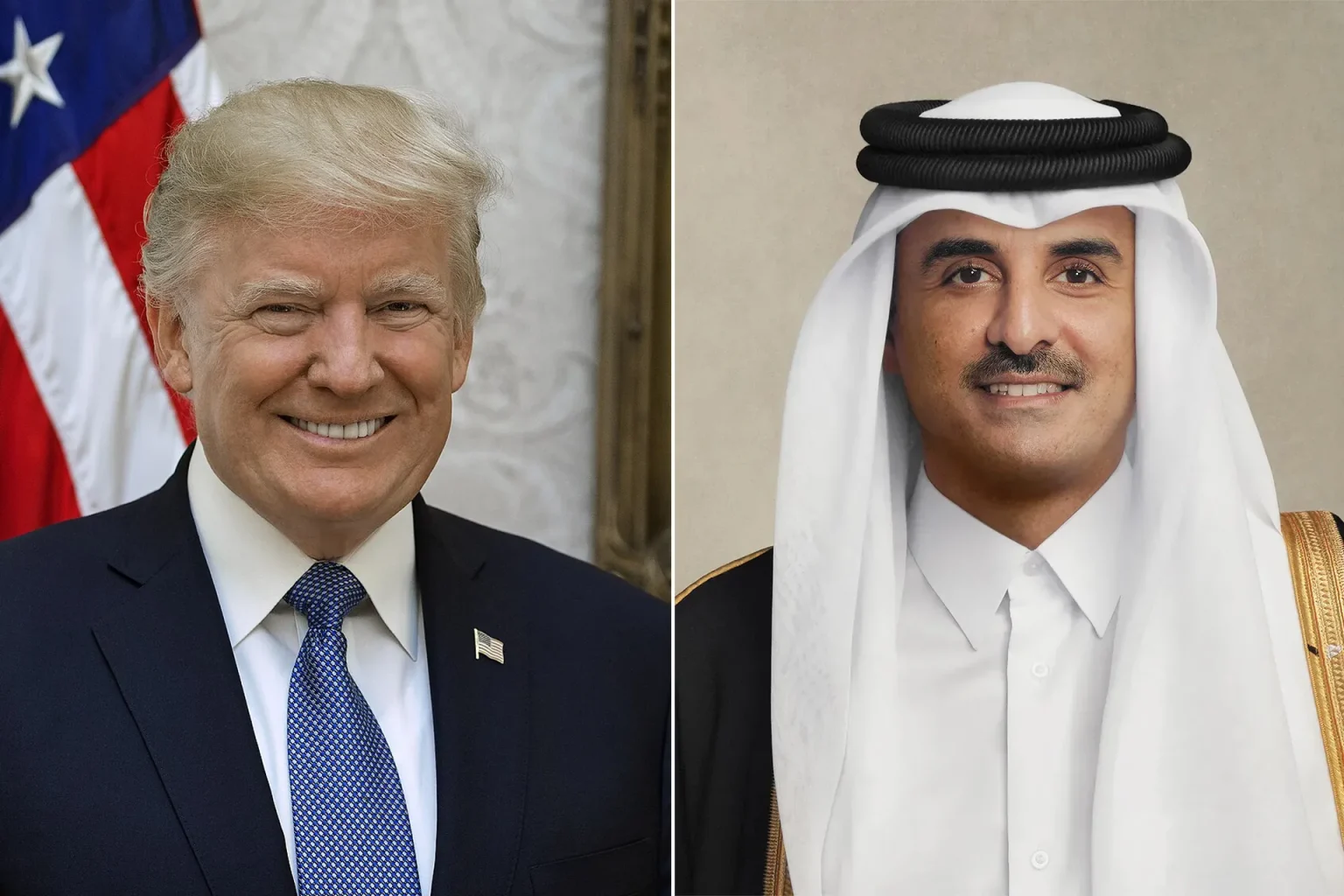
Qatar’s Amir Sheikh Tamim bin Hamad Al Thani spoke by phone on March 6, 2026, with U.S. President Donald Trump, the Qatari Amiri Diwan said, in a discussion focused on recent developments in the Middle East. The Qatar-US phone call, according to the statement, came amid heightened political and security concerns and international efforts to reduce escalation and restore stability.
What the call covered and why it matters
The Amiri Diwan said the leaders discussed political and security developments across the region and efforts by regional and international actors to lower tensions. The conversation emphasized the need for political and diplomatic solutions and dialogue among all parties, officials said. Furthermore, both sides addressed the importance of safeguarding maritime navigation and strategic sea lanes.
Qatar-US phone call and maritime security
During the call, officials highlighted the protection of shipping routes and the continuity of global energy flows as priorities. Maritime security has been a recurring concern as tensions affect Gulf transit points and global supply chains. Therefore, the Qatar-US phone call signaled mutual interest in ensuring that critical sea lanes remain open and safe for commercial traffic.
Regional de-escalation and diplomatic avenues
Qatar’s leader stressed the imperative of prioritizing political and diplomatic channels to prevent further escalation, the statement added. The conversation reflected Qatar’s continued advocacy for dialogue and mediation, consistent with its recent diplomatic posture. Additionally, the leaders noted regional initiatives aimed at conflict prevention and confidence-building.
Implications for energy supply chains and global markets
Officials noted that ensuring unimpeded energy shipments and the smooth operation of supply lines was central to the talks. Disruptions in the region can have broader implications for energy markets and logistics, analysts say. Therefore, the Qatar-US phone call may help assuage near-term market concerns by reinforcing commitments to keep supply routes functioning.
Diplomatic context and historical role of Qatar
Qatar has positioned itself as a mediator in regional disputes and has hosted talks between various parties in the past, according to regional analysts. Meanwhile, the U.S. continues to maintain strategic interests in the Gulf, including security partnerships and the protection of commerce. Therefore, communications between Doha and Washington play a role in shaping both immediate response options and longer-term diplomatic strategies.
Responses, coordination, and international efforts
The Amiri Diwan’s statement framed the call as part of broader regional and international efforts to lower tensions. International stakeholders have stepped up diplomatic outreach in recent weeks, seeking coordinated measures to prevent escalation. Furthermore, multilateral coordination on maritime safety and humanitarian concerns was cited as an ongoing priority by officials.
What officials emphasized
Officials emphasized dialogue, restraint and the pursuit of political solutions, the statement said. They also underscored the need to maintain secure navigation and uninterrupted commercial flows, including energy shipments. Therefore, the exchange reflected a blend of strategic security and economic concerns.
What to watch next
Observers should watch for follow-up diplomatic contacts and any multilateral meetings aimed at de-escalation, analysts suggest. Statements from regional capitals and international organizations could indicate whether the Qatar-US phone call leads to coordinated action. Additionally, market watchers will likely monitor shipping activity and energy prices for signs of sustained stability.
Forward-looking conclusion
The Qatari statement indicates a shared interest in reducing tensions via diplomacy and protecting strategic maritime routes. The Qatar-US phone call may prompt further diplomatic exchanges in the coming days as stakeholders seek practical measures to avoid conflict spillover. Readers should watch for subsequent official briefings, any convened meetings among regional actors, and indicators of maritime and energy sector stability.